
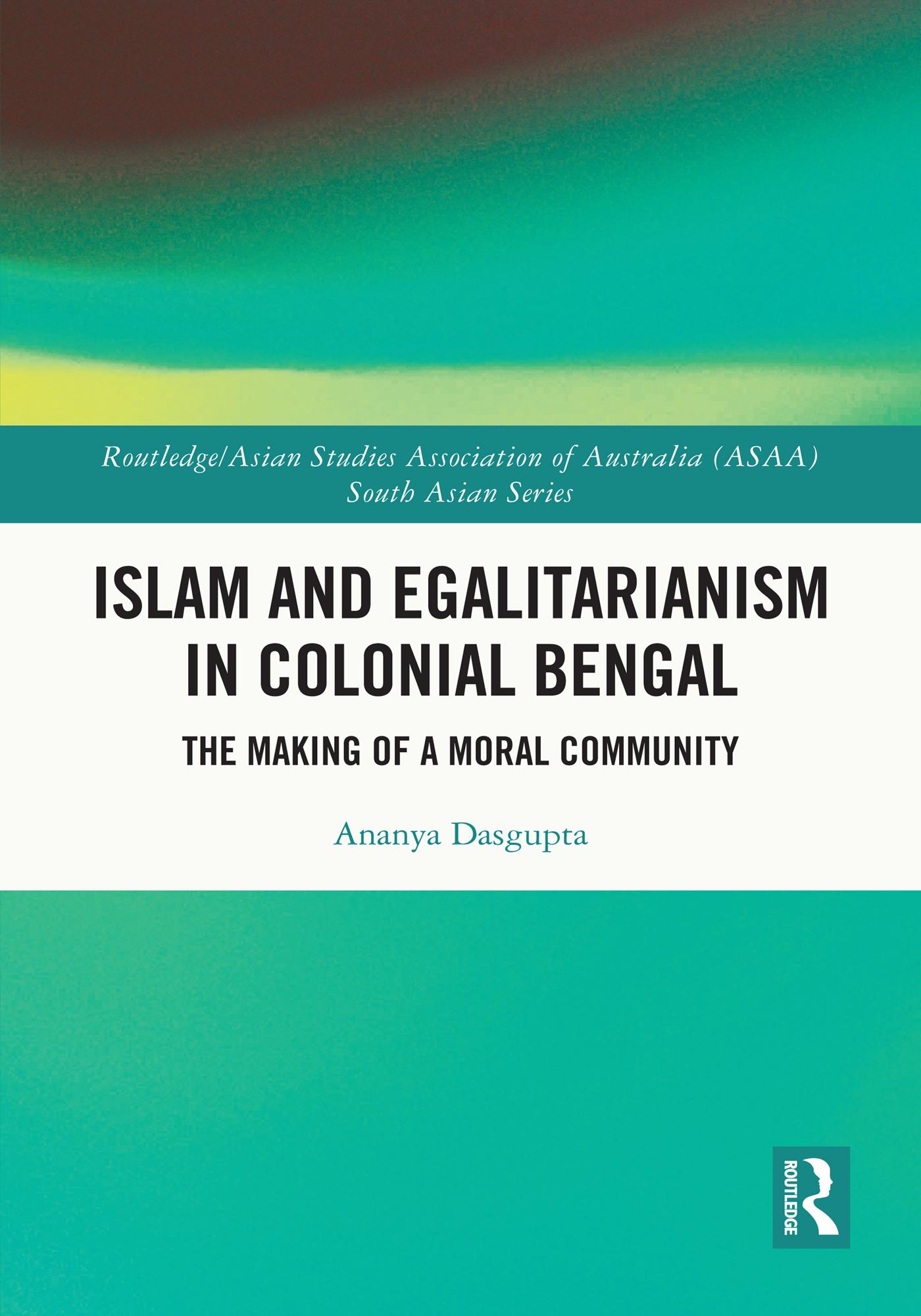
This book is a historical exploration of the social and cultural processes that led to the rise of the ideology of labor as a touchstone of Bengali Muslim politics in late colonial India.
The book argues that the tremendous popularity of the Pakistan movement in Bengal is to be understood not just in terms of "communalization" of class politics, or even "separatist" demands of a religious minority living out anxieties of Hindu political majoritarianism, but in terms of a distinctively modern idea of Muslim self and culture which gave primacy to production/labor as the site where religious, moral, ethical, as well as economic value would be anchored. In telling the story of the formation of a modern Muslim identity, the book presents the conceptual congruence between Islam and egalitarianism as a distinctively early twentieth-century phenomenon, and the approach can be viewed as key to explaining the mass appeal of the desire for Pakistan.
A novel contribution to the study of Bengal and Pakistan’s origins, the book will be of interest to researchers studying South Asian history, the history of colonialism and end of empire, South Asian studies, including labor studies, Islamic Studies, and Muslim social and cultural history.
Płać wygodnie kartą, Klarną, Apple Pay lub Google Pay. Nie jesteś zadowolony? Zawsze masz 14-dniową gwarancję zwrotu pieniędzy. Więcej przeczytasz w naszych warunkach. Masz pytania? Napisz do nas na hello@memmo.org.
Memmo ułatwia naukę – gdziekolwiek jesteś na świecie. U nas znajdziesz podręczniki i sprytne narzędzia do nauki w jednym miejscu: streszczenia, quizy, podcasty i fiszki. A do tego Ted, Twój kumpel do nauki, który odpowie na wszystko, co Cię nurtuje. Ponad 50 000 studentów już tu się uczy – stworzone, byś uczył się szybciej i mniej stresował.