
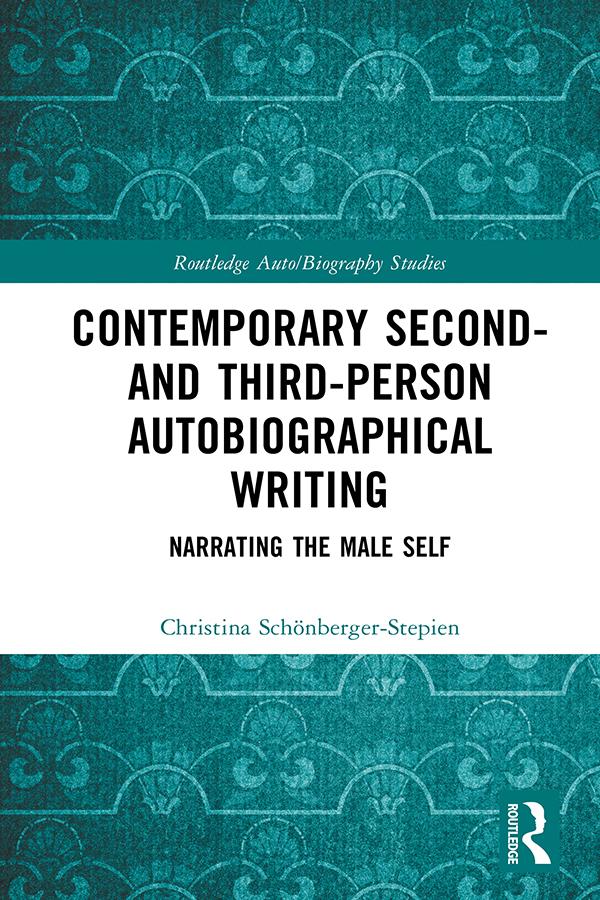
This book explores 21st-century uses of the second- and third-person perspective in Anglophone autobiographical narratives by canonical male writers. Through detailed readings of contemporary autobiographical works by Paul Auster, Julian Barnes, J.M. Coetzee, and Salman Rushdie, the study demonstrates the multiple aesthetic, rhetorical, and un/ethical implications of the choice of narrative perspective as well as the uncommon step of articulating the self from a perspective which is not I. Drawing on (rhetorical) narratology and autobiography theory, the book engages with questions and tensions of subjectivity and relationality, the interplay of distance and proximity resulting from the narrative perspective, and its effects on the relationship between autobiographer, text, and reader. In addition, the book traces relevant guiding principles that the authors use to navigate their self-narratives in relation to others, such as questions of embodiment, visuality, grief, ethics, and politics. Situating the narratives in their socio-political and cultural context, the book uncovers to what extent these autobiographical narratives reflect the authors’ position between self-withdrawal and self-promotion as well as their response to questions of male agency, self-stylisation, and celebrity status.
Płać wygodnie kartą, Klarną, Apple Pay lub Google Pay. Nie jesteś zadowolony? Zawsze masz 14-dniową gwarancję zwrotu pieniędzy. Więcej przeczytasz w naszych warunkach. Masz pytania? Napisz do nas na hello@memmo.org.
Memmo ułatwia naukę – gdziekolwiek jesteś na świecie. U nas znajdziesz podręczniki i sprytne narzędzia do nauki w jednym miejscu: streszczenia, quizy, podcasty i fiszki. A do tego Ted, Twój kumpel do nauki, który odpowie na wszystko, co Cię nurtuje. Ponad 50 000 studentów już tu się uczy – stworzone, byś uczył się szybciej i mniej stresował.