
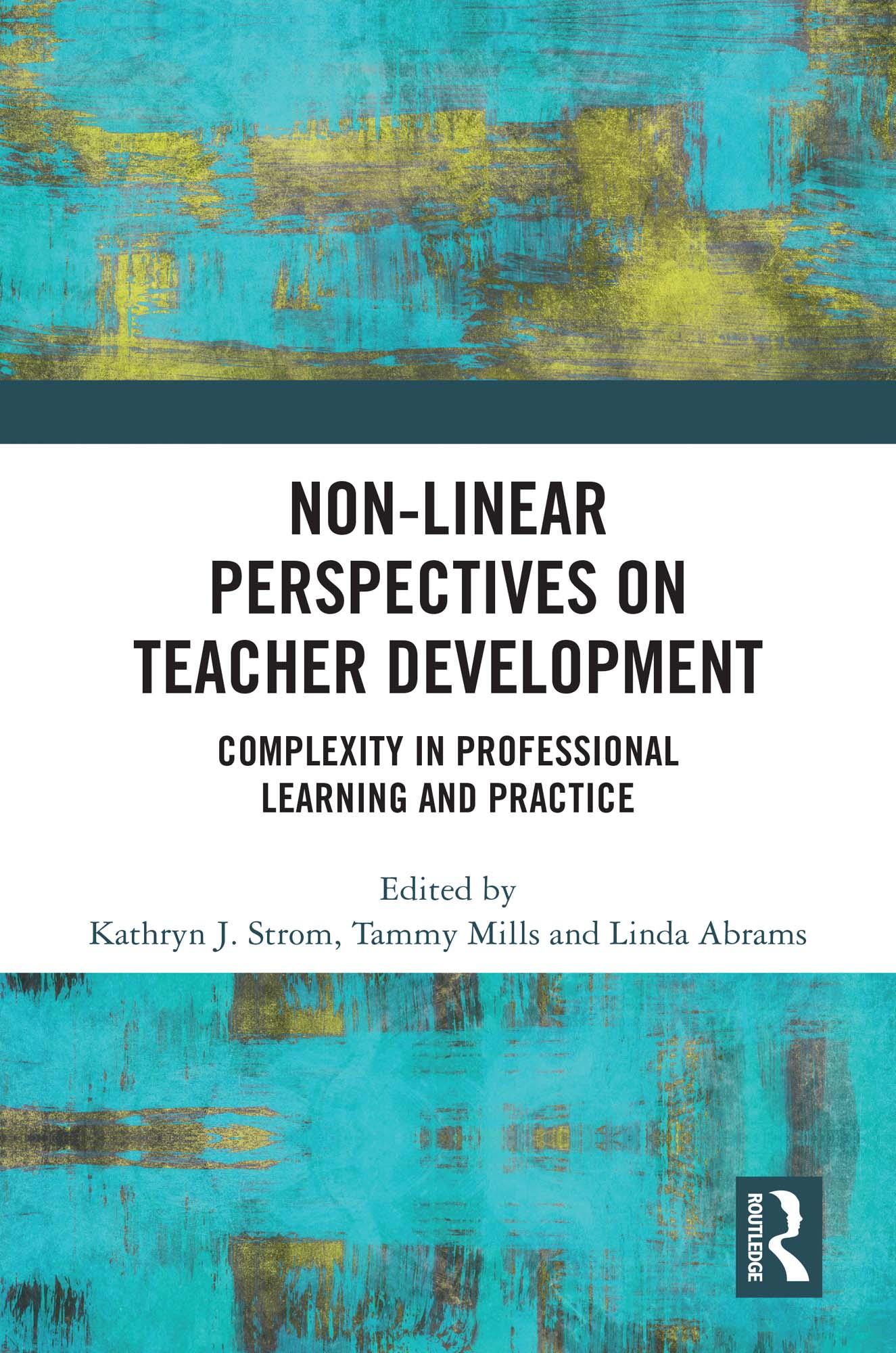
Despite the multifaceted complexity of teaching, dominant perspectives conceptualize teacher development in linear, dualistic, transactional, human-centric ways. The authors in this book offer non-linear alternatives by drawing on a continuum of complex perspectives, including CHAT, complexity theory, actor network theory, indigenous studies, rhizomatics, and posthuman/neomaterialisms. The chapters included here illuminate how different ways of thinking can help us better examine how teachers learn (relationally, with human, material, and discursive elements) and offer ways to understand the entangled nature of the relationship between that learning and what emerges in classroom instructional practice. They also present situated illustrations of what those entanglements or assemblages look like in the preservice, induction, and inservice phases, from early childhood to secondary settings, and across multiple continents. Authors provide evidence that research on teacher development should focus on process as much (if not more than) product and show that complexity perspectives can support forward-thinking, assets-based pedagogies. Methodologically, the chapters encourage conceptual creativity and expansion, and support an argument for blurring theory-method and normalising methodological hybridity. Ultimately, this book provides conceptual, theoretical, and methodological tools to understand current educational conditions in late capitalism and imagine otherwise. It was originally published as a special issue of the journal Professional Development in Education.
Płać wygodnie kartą, Klarną, Apple Pay lub Google Pay. Nie jesteś zadowolony? Zawsze masz 14-dniową gwarancję zwrotu pieniędzy. Więcej przeczytasz w naszych warunkach. Masz pytania? Napisz do nas na hello@memmo.org.
Memmo ułatwia naukę – gdziekolwiek jesteś na świecie. U nas znajdziesz podręczniki i sprytne narzędzia do nauki w jednym miejscu: streszczenia, quizy, podcasty i fiszki. A do tego Ted, Twój kumpel do nauki, który odpowie na wszystko, co Cię nurtuje. Ponad 50 000 studentów już tu się uczy – stworzone, byś uczył się szybciej i mniej stresował.