
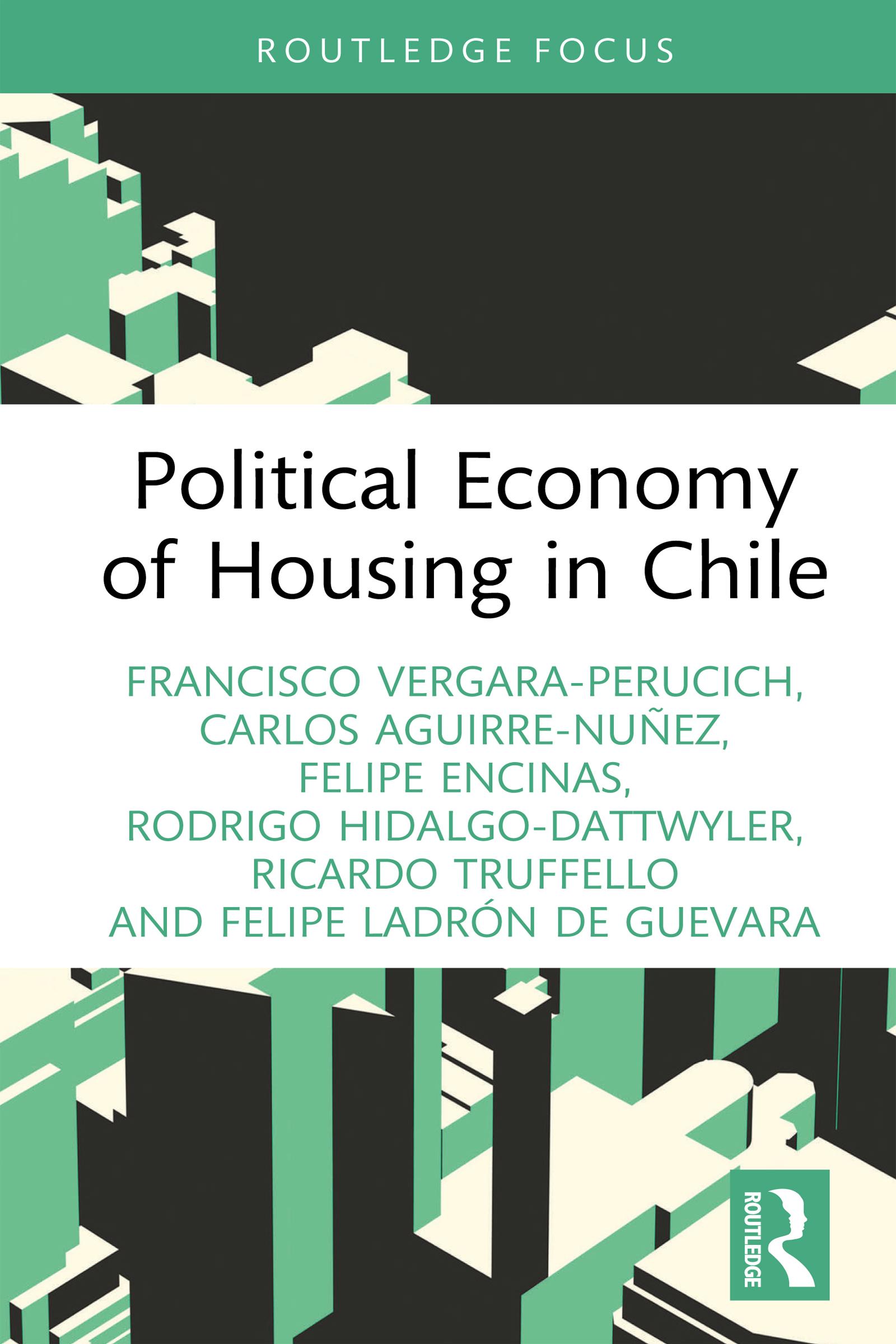
Through the lens of political economy, this book positions housing as a key factor in understanding social inequality. It does so by drawing on rich empirical evidence from the case of the Chilean housing market.
This book provides insights on the articulation between real estate development, housing provision and social inequality based on applied urban economics analyses that illustrate the contradictions of neoliberal urbanism through the case of Chile. For neoliberal urbanism, the good city is not equal for all, it is based on the principle of profitability and benefits from segregation to make capital investment more efficient. The chapters of this book expose how these processes are generated by a political system that allows them rather than by the invisible hand of the market.
The book will be of interest to graduate students in urban studies, urban planning, sociology and urban geography. It will also appeal to decision-makers and also to actors in the real estate market seeking to perfect the social benefits of their professional activities, aspiring to generate more egalitarian and just cities.
Płać wygodnie kartą, Klarną, Apple Pay lub Google Pay. Nie jesteś zadowolony? Zawsze masz 14-dniową gwarancję zwrotu pieniędzy. Więcej przeczytasz w naszych warunkach. Masz pytania? Napisz do nas na hello@memmo.org.
Memmo ułatwia naukę – gdziekolwiek jesteś na świecie. U nas znajdziesz podręczniki i sprytne narzędzia do nauki w jednym miejscu: streszczenia, quizy, podcasty i fiszki. A do tego Ted, Twój kumpel do nauki, który odpowie na wszystko, co Cię nurtuje. Ponad 50 000 studentów już tu się uczy – stworzone, byś uczył się szybciej i mniej stresował.