
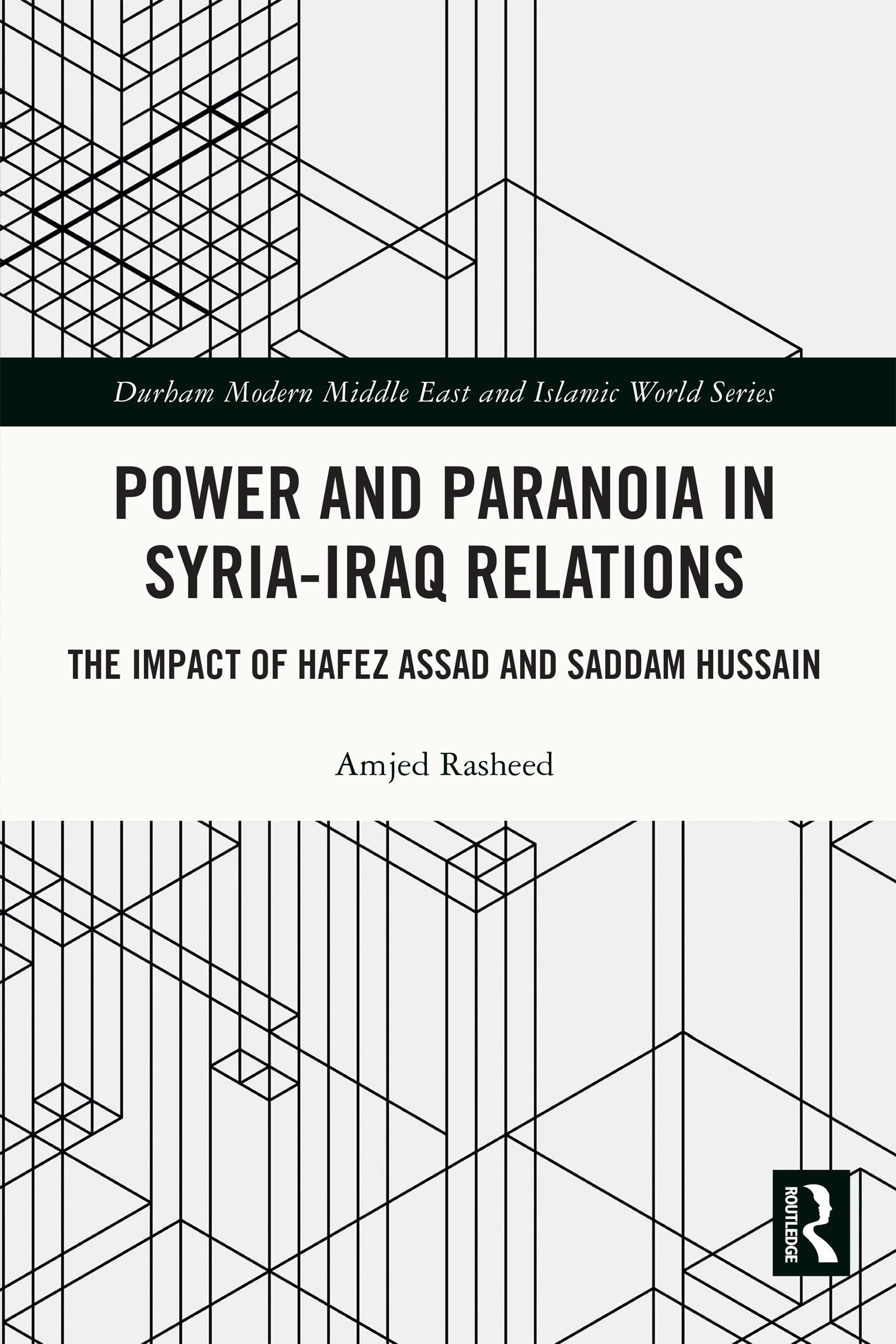
This book examines the perplexing twists and turns in Syria-Iraq relations which since the establishment of modern Syria and Iraq after World War I have zigzagged between cooperation and hostility countless times. It questions why both countries switched regional and international alliances, but never formed one of their own, and assesses the role played by structural forces such as geopolitics, ideology, and regime survival. It also argues that a key factor was the individual personalities – the agency role – of Hafez Assad and Saddam Hussain, both of whom had a monopoly of power, similar ambitions and leadership styles, and great mistrust of each other, with the result that they clashed. It goes on to show how both were caught between commitment to pan-Arabism and the imperative for regime survival, and how this led them both to weaken pan-Arabism instead and construct sectarian polarisation to ensure regime survival. The book concludes that their ruthless fight left a heavy legacy where in both countries regime survival overshadowed state consolidation and nation-building, with both countries divided into smaller communities of faiths and ethnicities at war with each other.
Płać wygodnie kartą, Klarną, Apple Pay lub Google Pay. Nie jesteś zadowolony? Zawsze masz 14-dniową gwarancję zwrotu pieniędzy. Więcej przeczytasz w naszych warunkach. Masz pytania? Napisz do nas na hello@memmo.org.
Memmo ułatwia naukę – gdziekolwiek jesteś na świecie. U nas znajdziesz podręczniki i sprytne narzędzia do nauki w jednym miejscu: streszczenia, quizy, podcasty i fiszki. A do tego Ted, Twój kumpel do nauki, który odpowie na wszystko, co Cię nurtuje. Ponad 50 000 studentów już tu się uczy – stworzone, byś uczył się szybciej i mniej stresował.