
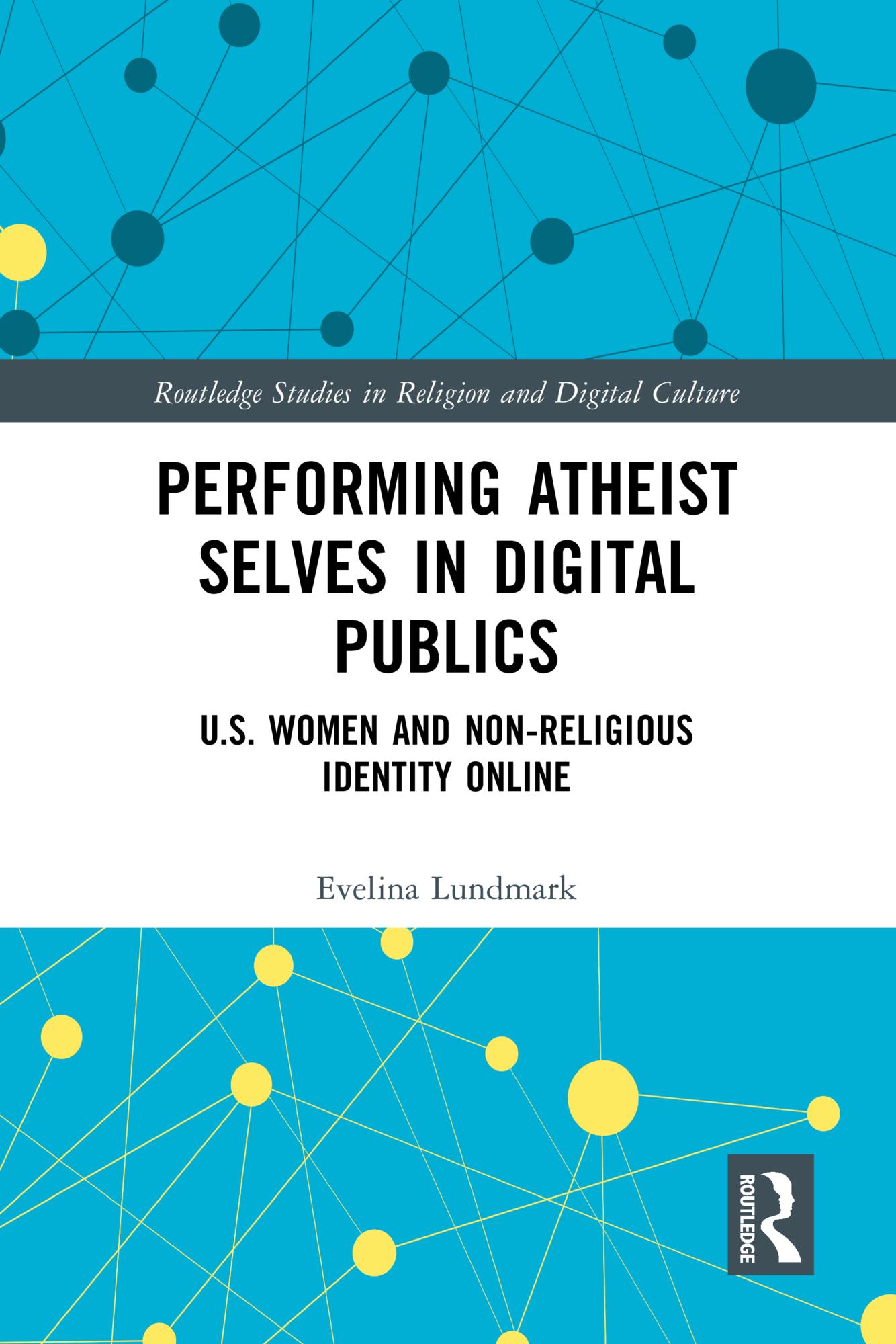
This book considers how the non-religious self is performed publicly online, and how digital culture and technology shapes this process. Building on a YouTube case study with women vloggers, it presents unique empirical data on non-organized atheism in the United States. Lundmark suggests that the atheist self as performed online exists in tension between a perception of atheism as sinful and amoral in relation to hegemonical Christianity in the U.S., and the hyperrational, male-centered discourse that has characterized the atheist movement. She argues that women atheist vloggers co-effect third spaces of emotive resonance that enable a precarious counterpublicness of performing atheist visibility. The volume offers a valuable contribution to the discussion of how the public, the private, and areas in-between are understood within digital religion, and opens up new space for engaging with the increased visibility of atheist identity in a mediatized society.
Płać wygodnie kartą, Klarną, Apple Pay lub Google Pay. Nie jesteś zadowolony? Zawsze masz 14-dniową gwarancję zwrotu pieniędzy. Więcej przeczytasz w naszych warunkach. Masz pytania? Napisz do nas na hello@memmo.org.
Memmo ułatwia naukę – gdziekolwiek jesteś na świecie. U nas znajdziesz podręczniki i sprytne narzędzia do nauki w jednym miejscu: streszczenia, quizy, podcasty i fiszki. A do tego Ted, Twój kumpel do nauki, który odpowie na wszystko, co Cię nurtuje. Ponad 50 000 studentów już tu się uczy – stworzone, byś uczył się szybciej i mniej stresował.