
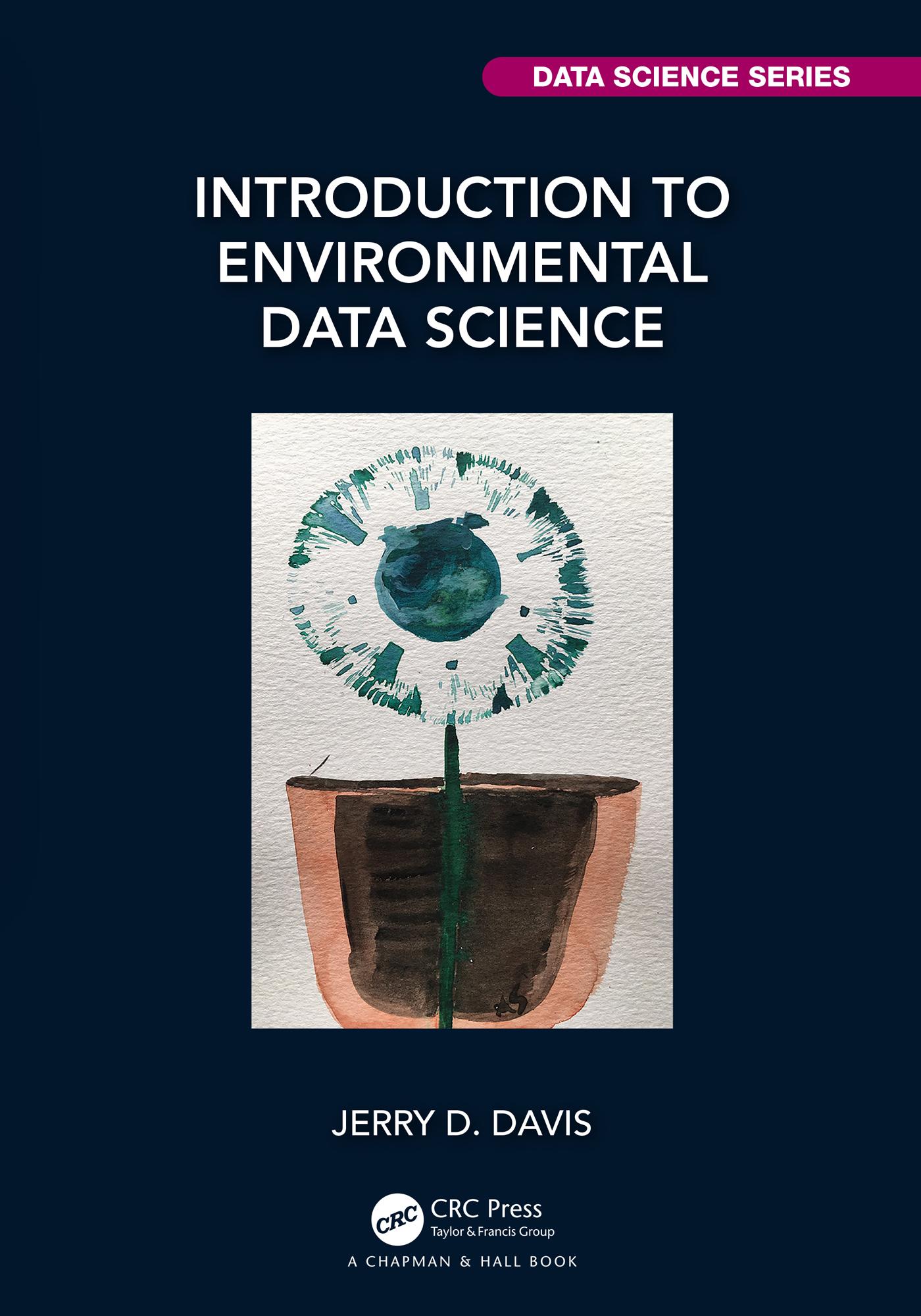
Introduction to Environmental Data Science focuses on data science methods in the R language applied to environmental research, with sections on exploratory data analysis in R including data abstraction, transformation, and visualization; spatial data analysis in vector and raster models; statistics and modelling ranging from exploratory to modelling, considering confirmatory statistics and extending to machine learning models; time series analysis, focusing especially on carbon and micrometeorological flux; and communication. Introduction to Environmental Data Science is an ideal textbook to teach undergraduate to graduate level students in environmental science, environmental studies, geography, earth science, and biology, but can also serve as a reference for environmental professionals working in consulting, NGOs, and government agencies at the local, state, federal, and international levels.
Features
• Gives thorough consideration of the needs for environmental research in both spatial and temporal domains.
• Features examples of applications involving field-collected data ranging from individual observations to data logging.
• Includes examples also of applications involving government and NGO sources, ranging from satellite imagery to environmental data collected by regulators such as EPA.
• Contains class-tested exercises in all chapters other than case studies. Solutions manual available for instructors.
• All examples and exercises make use of a GitHub package for functions and especially data.
Płać wygodnie kartą, Klarną, Apple Pay lub Google Pay. Nie jesteś zadowolony? Zawsze masz 14-dniową gwarancję zwrotu pieniędzy. Więcej przeczytasz w naszych warunkach. Masz pytania? Napisz do nas na hello@memmo.org.
Memmo ułatwia naukę – gdziekolwiek jesteś na świecie. U nas znajdziesz podręczniki i sprytne narzędzia do nauki w jednym miejscu: streszczenia, quizy, podcasty i fiszki. A do tego Ted, Twój kumpel do nauki, który odpowie na wszystko, co Cię nurtuje. Ponad 50 000 studentów już tu się uczy – stworzone, byś uczył się szybciej i mniej stresował.