
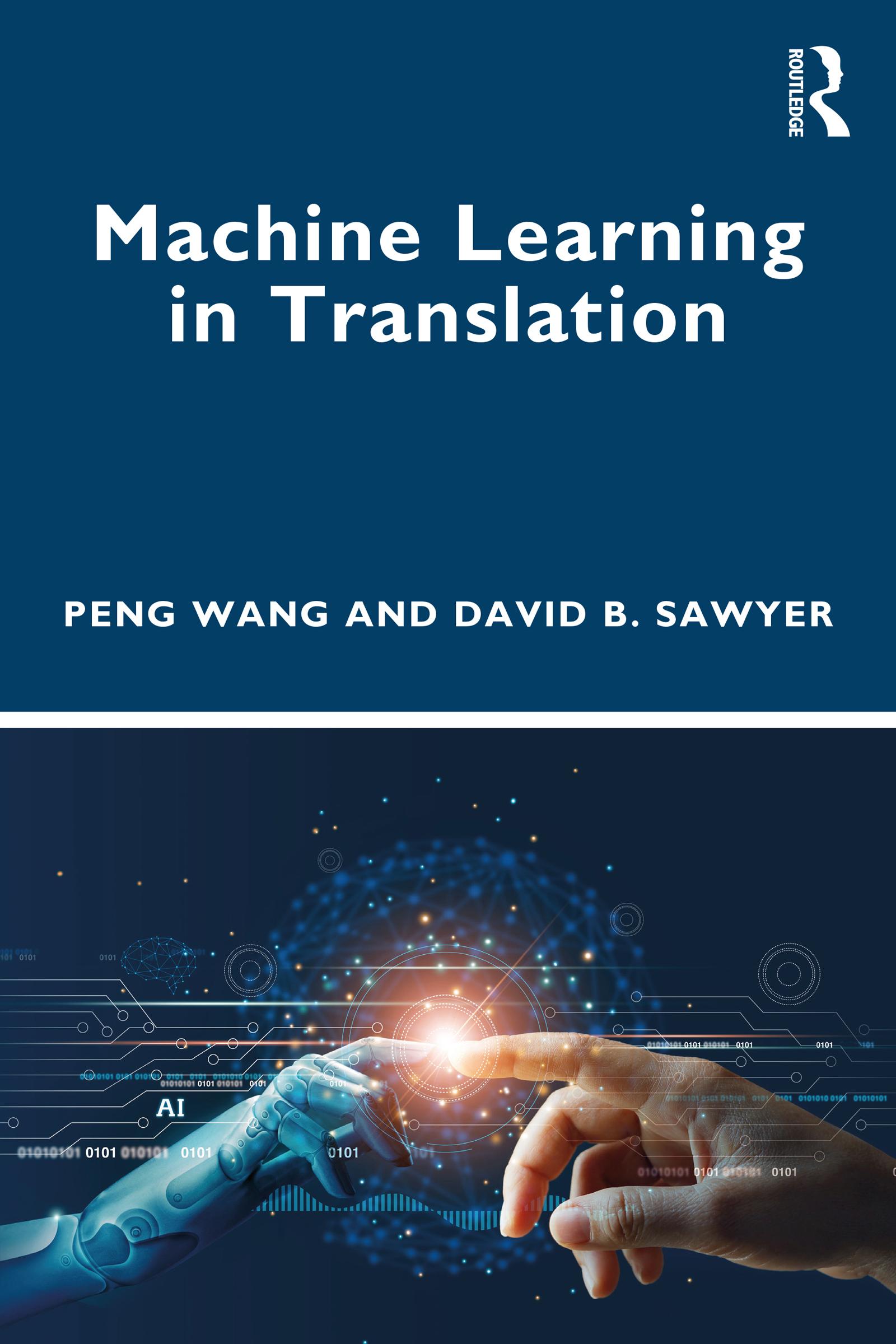
Machine Learning in Translation introduces machine learning (ML) theories and technologies that are most relevant to translation processes, approaching the topic from a human perspective and emphasizing that ML and ML-driven technologies are tools for humans.
Providing an exploration of the common ground between human and machine learning and of the nature of translation that leverages this new dimension, this book helps linguists, translators, and localizers better find their added value in a ML-driven translation environment. Part One explores how humans and machines approach the problem of translation in their own particular ways, in terms of word embeddings, chunking of larger meaning units, and prediction in translation based upon the broader context. Part Two introduces key tasks, including machine translation, translation quality assessment and quality estimation, and other Natural Language Processing (NLP) tasks in translation. Part Three focuses on the role of data in both human and machine learning processes. It proposes that a translator’s unique value lies in the capability to create, manage, and leverage language data in different ML tasks in the translation process. It outlines new knowledge and skills that need to be incorporated into traditional translation education in the machine learning era. The book concludes with a discussion of human-centered machine learning in translation, stressing the need to empower translators with ML knowledge, through communication with ML users, developers, and programmers, and with opportunities for continuous learning.
This accessible guide is designed for current and future users of ML technologies in localization workflows, including students on courses in translation and localization, language technology, and related areas. It supports the professional development of translation practitioners, so that they can fully utilize ML technologies and design their own human-centered ML-driven translation workflows and NLP tasks.
Płać wygodnie kartą, Klarną, Apple Pay lub Google Pay. Nie jesteś zadowolony? Zawsze masz 14-dniową gwarancję zwrotu pieniędzy. Więcej przeczytasz w naszych warunkach. Masz pytania? Napisz do nas na hello@memmo.org.
Memmo ułatwia naukę – gdziekolwiek jesteś na świecie. U nas znajdziesz podręczniki i sprytne narzędzia do nauki w jednym miejscu: streszczenia, quizy, podcasty i fiszki. A do tego Ted, Twój kumpel do nauki, który odpowie na wszystko, co Cię nurtuje. Ponad 50 000 studentów już tu się uczy – stworzone, byś uczył się szybciej i mniej stresował.