
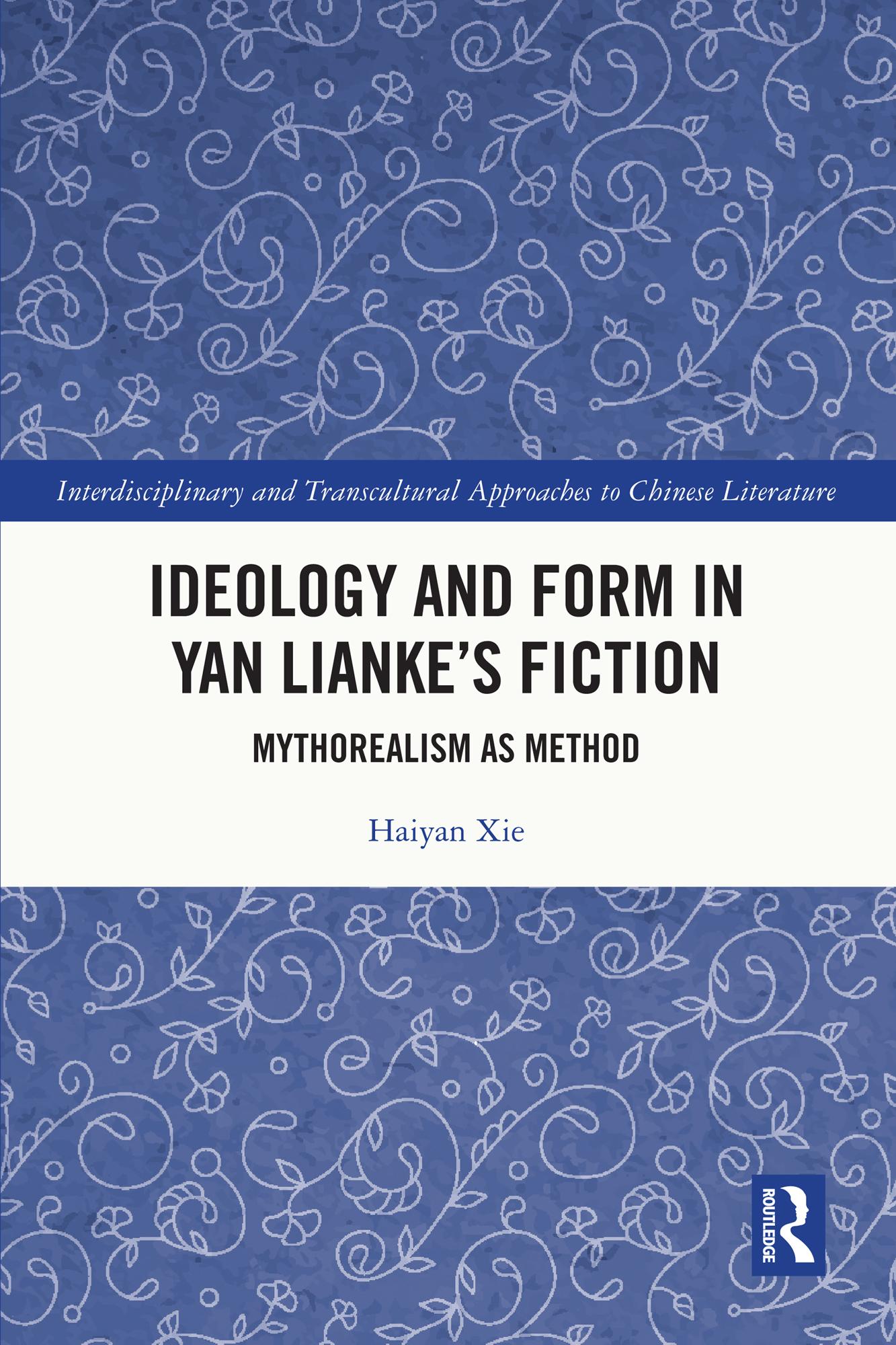
Xie analyzes three novels by the international award-winning Chinese writer Yan Lianke and investigates how his signature “mythorealist” form produces textual meanings that subvert the totalizing reality prescribed by literary realism.
The term mythorealism, which Yan coined to describe his own writing style, refers to a set of literary devices that incorporate both Chinese and Western literary elements while remaining primarily grounded in Chinese folk culture and literary tradition. In his use of mythorealism, carrying a burden of social critique that cannot allow itself to become “political,” Yan transcends the temporality and provinciality of immediate social events and transforms his potential socio-political commentaries into more diversified concerns for humanity, existential issues, and spiritual crisis. Xie identifies three modes of mythorealist narrative exemplified in Yan’s three novels: the minjian (folk) mode in Dream of Ding Village, the allusive mode in Ballad, Hymn, Ode, and the enigmatic mode in The Four Books. By positioning itself against an ambiguous articulation of social determinants of historical events that would perhaps be more straightforward in a purely realist text, each mode of mythorealism moves its narrative from the overt politicality of the subject matter to the existential riddle of negotiating an alternative reality.
A groundbreaking study of one of contemporary China’s most important authors that will be of great value to scholars and students of Chinese literature.
Płać wygodnie kartą, Klarną, Apple Pay lub Google Pay. Nie jesteś zadowolony? Zawsze masz 14-dniową gwarancję zwrotu pieniędzy. Więcej przeczytasz w naszych warunkach. Masz pytania? Napisz do nas na hello@memmo.org.
Memmo ułatwia naukę – gdziekolwiek jesteś na świecie. U nas znajdziesz podręczniki i sprytne narzędzia do nauki w jednym miejscu: streszczenia, quizy, podcasty i fiszki. A do tego Ted, Twój kumpel do nauki, który odpowie na wszystko, co Cię nurtuje. Ponad 50 000 studentów już tu się uczy – stworzone, byś uczył się szybciej i mniej stresował.