
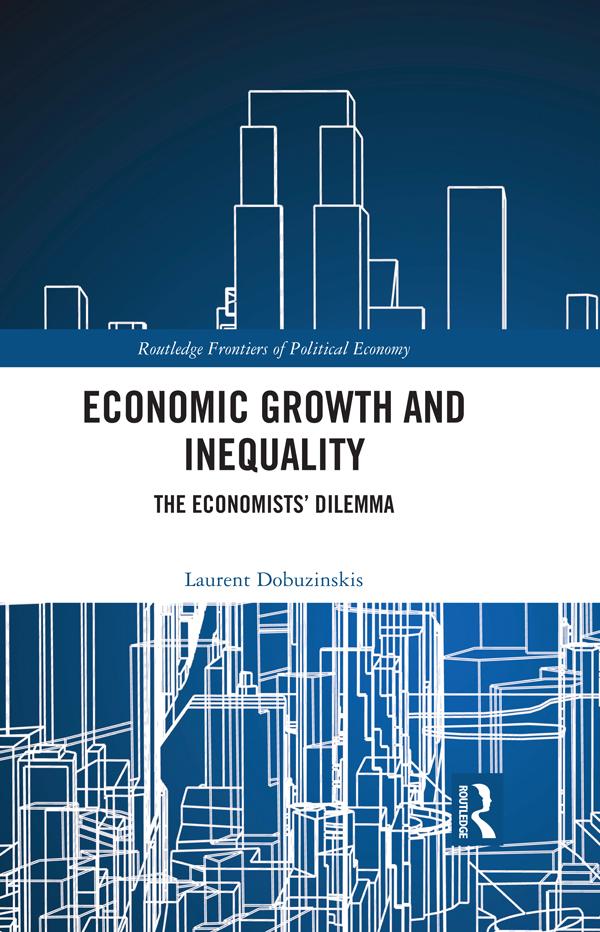
In an era of increasing inequalities, and also of deep anxieties about the consequences of two major economic crises, economists are faced with a major question: can economic growth be achieved without inequalities? Economic Growth and Inequality critically evaluates the economic literature on this question from a pragmatic perspective, seeking to reconcile those who regard economic liberties as a paramount value, and critics who object that prioritizing these liberties leads to inequitable outcomes.
The book presents an overview of the models used by economists to define and measure inequalities and the ongoing dialogues between political philosophers and economists in an effort to find solutions to the problems. It explores Rawlsian justice, Sen’s capability theory, and the theory of rent and compares and contrasts the most often discussed institutions and policies designed for remedying poverty and reducing inequalities.
This book marks a significant contribution to the literature on some of the most pressing problems of our time and will be of great interest to readers of political economy, public policy, moral philosophy, and history of economic and political thought.
Płać wygodnie kartą, Klarną, Apple Pay lub Google Pay. Nie jesteś zadowolony? Zawsze masz 14-dniową gwarancję zwrotu pieniędzy. Więcej przeczytasz w naszych warunkach. Masz pytania? Napisz do nas na hello@memmo.org.
Memmo ułatwia naukę – gdziekolwiek jesteś na świecie. U nas znajdziesz podręczniki i sprytne narzędzia do nauki w jednym miejscu: streszczenia, quizy, podcasty i fiszki. A do tego Ted, Twój kumpel do nauki, który odpowie na wszystko, co Cię nurtuje. Ponad 50 000 studentów już tu się uczy – stworzone, byś uczył się szybciej i mniej stresował.