
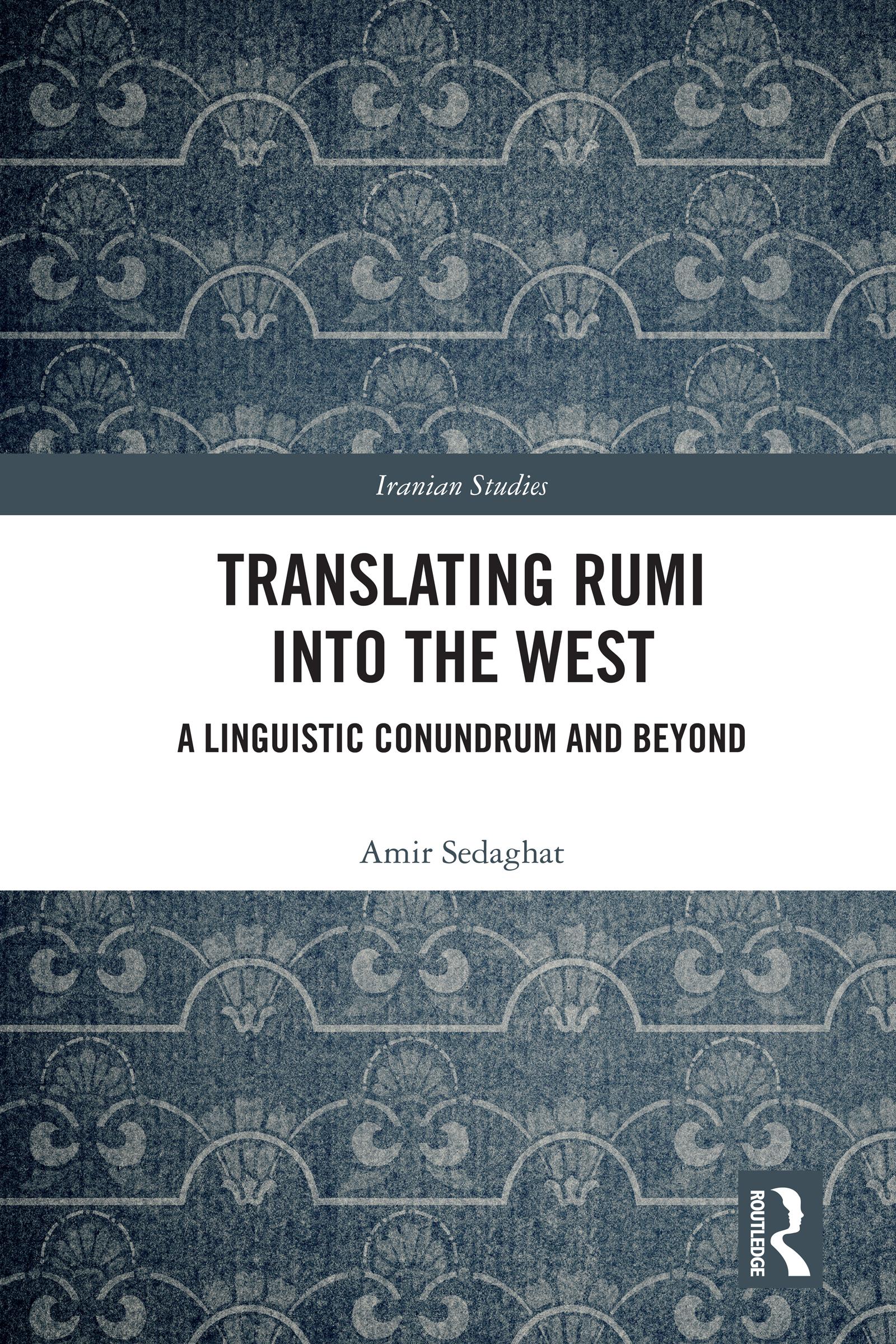
Focusing on Rumi, the best-selling Persian mystical poet of the 13th century, this book investigates the reception of his work and thought in North America and Europe – and the phenomenon of ‘Rumimania’ – to elucidate the complexities of intercultural communication between the West and the Iranian and Islamic worlds.
Presenting tens of examples from the original and translated texts, the book is a critical analysis of various dimensions of this reception, outlining the difficulties of translating the text but also exploring how translators of various times and languages have performed, and explaining why the quality of reception varies. Topics analysed include the linguistic and pragmatic issues of translation, comparative stylistics and poetics, and non-textual factors like the translator’s beliefs and the political and ideological aspects of translation. Using a broad theoretical framework, the author highlights the difficulties of intercultural communication from linguistic, semiotic, stylistic, poetic, ethical, and sociocultural perspectives. Ultimately, the author shares his reflections on the semiotic specificities of Rumi’s mystical discourse and the ethics of translation generally.
The book will be valuable to scholars and students of Islamic philosophy, Iranian studies, and translation studies, but will appeal to anyone interested in the cultural dichotomies of the West and Islam.
Płać wygodnie kartą, Klarną, Apple Pay lub Google Pay. Nie jesteś zadowolony? Zawsze masz 14-dniową gwarancję zwrotu pieniędzy. Więcej przeczytasz w naszych warunkach. Masz pytania? Napisz do nas na hello@memmo.org.
Memmo ułatwia naukę – gdziekolwiek jesteś na świecie. U nas znajdziesz podręczniki i sprytne narzędzia do nauki w jednym miejscu: streszczenia, quizy, podcasty i fiszki. A do tego Ted, Twój kumpel do nauki, który odpowie na wszystko, co Cię nurtuje. Ponad 50 000 studentów już tu się uczy – stworzone, byś uczył się szybciej i mniej stresował.