
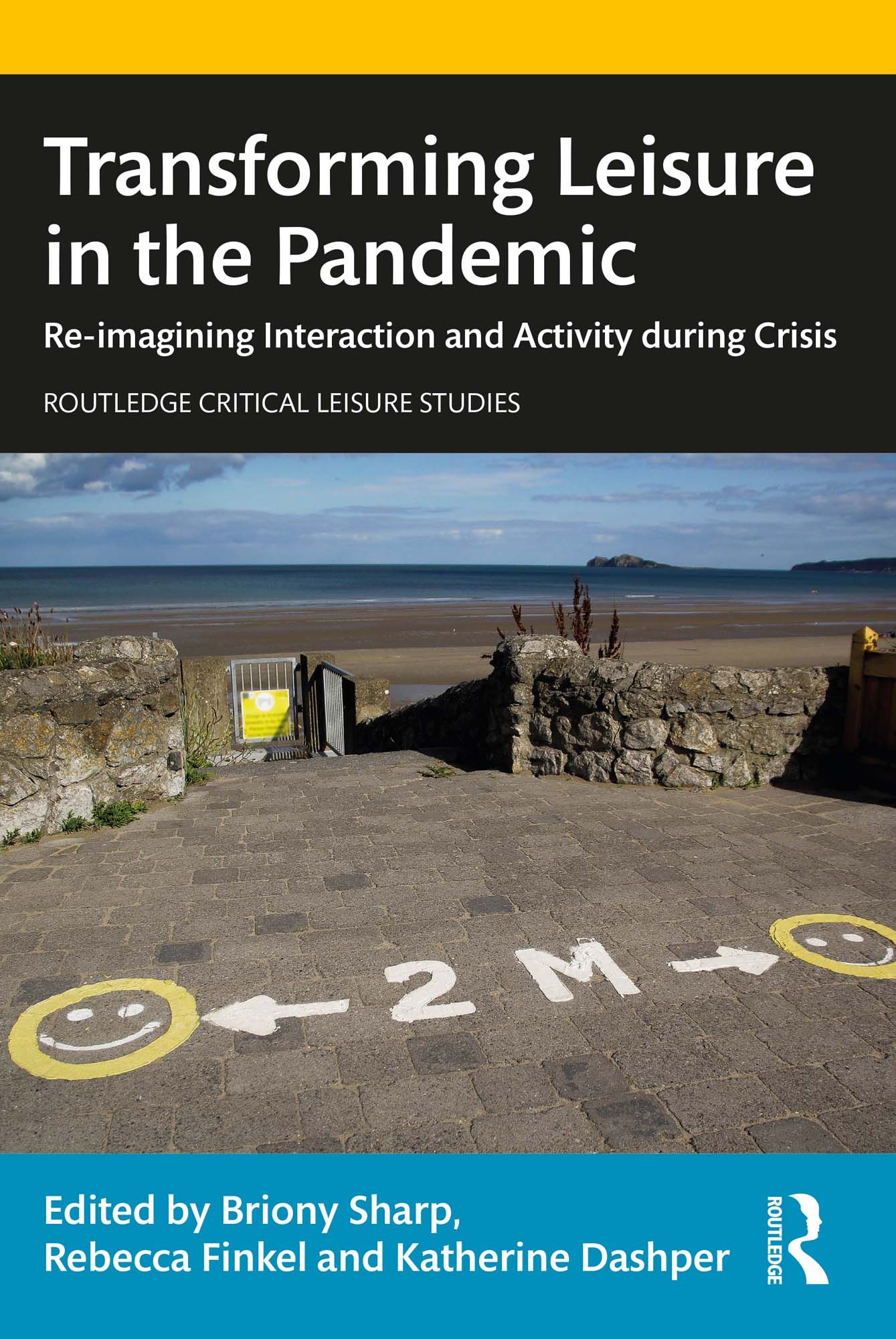
This is the first book to critically explore international leisure during the COVID-19 pandemic. It analyses the ways in which the pandemic has impacted upon our leisure practices and our leisure lives, focusing on three key spaces ・ public, private, and digital.
The book seeks to understand how changes in leisure have led to transformations in the ways we have had to ‘do’ and ‘redo’ activities, such as incorporating digitalisation and distancing measures, as well as dealing with restrictions on social interaction, gatherings, and cultural activities. It presents a series of case studies covering topics as diverse as music festivals, theatre on-screen, walking, static cycling, smartphone use, holidays, and the ‘lockdown leisure’ of preschool children, including people across the life course, from young children to older retired people. The book discusses changes in patterns of behaviour, leisure experiences, and leisure environments worldwide and critically re-evaluates what leisure is and what it means in contemporary societies. It illustrates both the significant impact the pandemic has had on leisure and the important role leisure plays in helping support and maintain individual and community well-being.
This is fascinating reading for any student, researcher, or practitioner with an interest in leisure studies, tourism, events, sociology, cultural studies, or performance studies.
Płać wygodnie kartą, Klarną, Apple Pay lub Google Pay. Nie jesteś zadowolony? Zawsze masz 14-dniową gwarancję zwrotu pieniędzy. Więcej przeczytasz w naszych warunkach. Masz pytania? Napisz do nas na hello@memmo.org.
Memmo ułatwia naukę – gdziekolwiek jesteś na świecie. U nas znajdziesz podręczniki i sprytne narzędzia do nauki w jednym miejscu: streszczenia, quizy, podcasty i fiszki. A do tego Ted, Twój kumpel do nauki, który odpowie na wszystko, co Cię nurtuje. Ponad 50 000 studentów już tu się uczy – stworzone, byś uczył się szybciej i mniej stresował.