
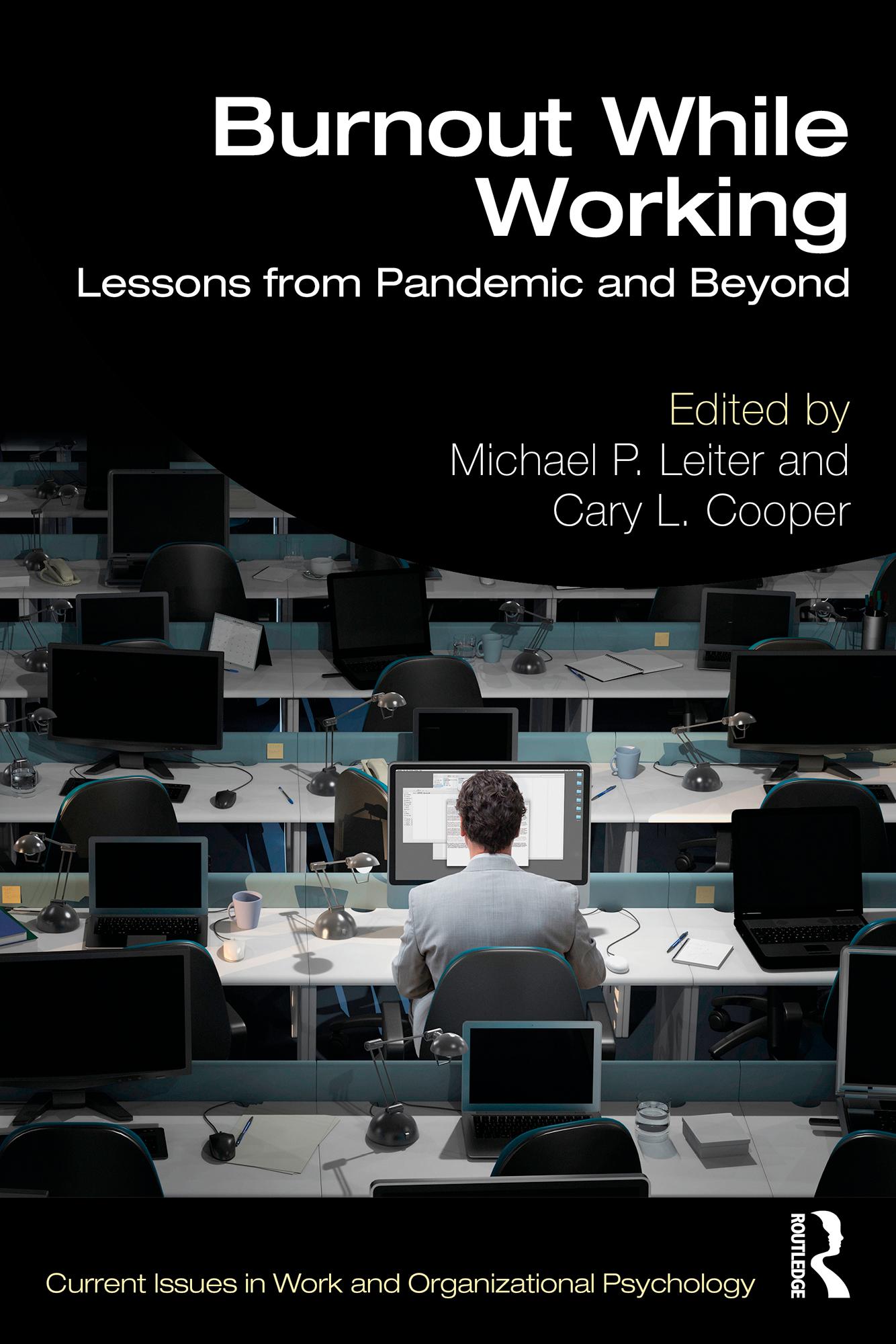
This book offers an extensive look into the ways living through the COVID-19 pandemic has deepened our understanding of the crises people experience in their relationships with work. Leading experts explore burnout as an occupational phenomenon that arises through mismatches between workplace and individuals on the day-to-day patterns in work life.
By disrupting where, when, and how people worked, pandemic measures upset the delicate balances in place regarding core areas of work life. Chapters examine the profound implications of social distancing on the quality and frequency of social encounters among colleagues, with management, and with clientele. The book covers a variety of occupational groups such as those in the healthcare and education sectors, and demonstrates the advantages and strains that come with working from home. The authors also consider the broader social context of working through the pandemic regarding risks and rewards for essential workers. By focusing on changes in organisational structures, policies, and practices, this book looks at effective ways forward in both recovering from this pandemic and preparing for further workplace disruptions.
A wide audience of students and researchers in psychology, management, business, healthcare, and social sciences, as well as policy makers in government and professional organisations, will benefit from this detailed insight into the ways COVID-19 has affected contemporary work attitudes and practices.
Płać wygodnie kartą, Klarną, Apple Pay lub Google Pay. Nie jesteś zadowolony? Zawsze masz 14-dniową gwarancję zwrotu pieniędzy. Więcej przeczytasz w naszych warunkach. Masz pytania? Napisz do nas na hello@memmo.org.
Memmo ułatwia naukę – gdziekolwiek jesteś na świecie. U nas znajdziesz podręczniki i sprytne narzędzia do nauki w jednym miejscu: streszczenia, quizy, podcasty i fiszki. A do tego Ted, Twój kumpel do nauki, który odpowie na wszystko, co Cię nurtuje. Ponad 50 000 studentów już tu się uczy – stworzone, byś uczył się szybciej i mniej stresował.