
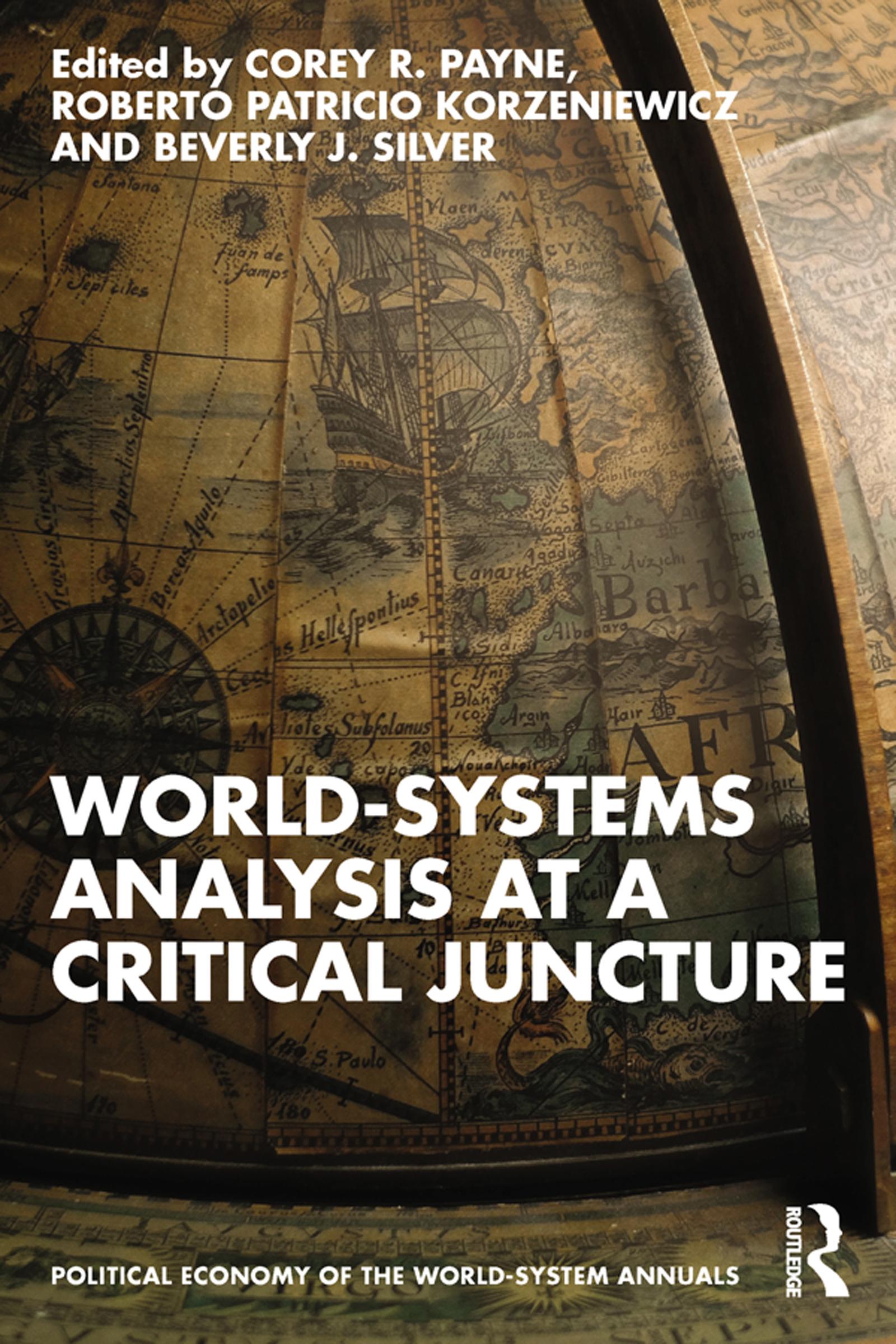
As we enter the third decade of the twenty-first century, the world faces extraordinary system-level challenges—from deep inequality and xenophobic nationalism to militarism and neofascism, from the refugee crisis and environmental degradation to upsurges of social unrest and escalating rivalries among powerful states. This book begins from the premise that world-systems analysis can be a powerful tool for the study of these problems, with the potential to overcome the methodological and theoretical limitations of other social science perspectives. The editors argue, moreover, that world-systems analysis can be strengthened by drawing on its holistic methodologies, returning to its Third World roots, and learning from other critical approaches. The authors in this volume not only make important contributions to comparative and historical social science, they also bring a new vigor to the world-systems perspective. Facing critical junctures in both the "state of knowledge" and the "state of the world," this book demonstrates the continued utility of, and future possibilities for, world-systems analysis.
Płać wygodnie kartą, Klarną, Apple Pay lub Google Pay. Nie jesteś zadowolony? Zawsze masz 14-dniową gwarancję zwrotu pieniędzy. Więcej przeczytasz w naszych warunkach. Masz pytania? Napisz do nas na hello@memmo.org.
Memmo ułatwia naukę – gdziekolwiek jesteś na świecie. U nas znajdziesz podręczniki i sprytne narzędzia do nauki w jednym miejscu: streszczenia, quizy, podcasty i fiszki. A do tego Ted, Twój kumpel do nauki, który odpowie na wszystko, co Cię nurtuje. Ponad 50 000 studentów już tu się uczy – stworzone, byś uczył się szybciej i mniej stresował.