
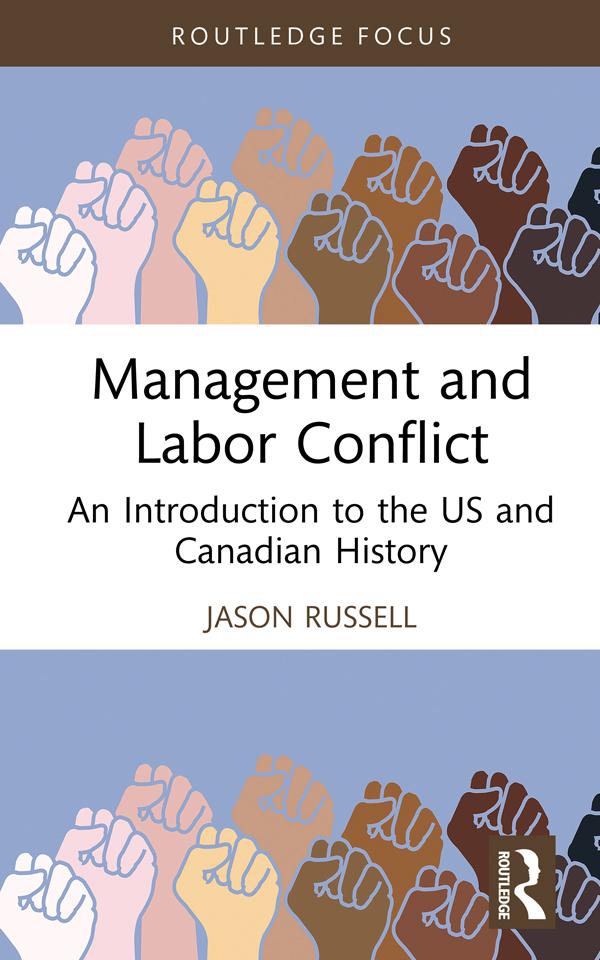
Management and labor have been adversaries in American and Canadian workplaces since the time of colonial settlement. Labor lacked full legal legitimacy in Canada and the United States until the mid-1930s and the passage of laws that granted collective bargaining rights and protection from dismissal due to union activity. The US National Labor Relations Act (Wagner Act) became the model for labor laws in both countries. Organized labor began to decline in the United States in the late 1960s due to a variety of factors including electoral politics, internal social and cultural differences, and economic change. Canadian unions fared better in comparison to their American counterparts, but still engaged in significant struggles.
This analysis focuses on management and labor interaction in the United States and Canada from the 1930s to the turn of the second decade of the twenty-first century. It also includes a short overview of employer and worker interaction from the time of European colonization to the 1920s. The book addresses two overall questions: In what forms did management and labor conflict occur and how was labor-management interaction different between the two countries? It pays particular attention to key events and practices where the United States and Canada diverged when it came to labor-management conflict including labor law, electoral politics, social and economic change, and unionization patterns in the public and private sectors.
This book shows that there were key points of convergence and divergence in the past between the United States and Canada that explain current differences in labor-management conflict and interaction in the two countries. It will be of interest to researchers, academics, and students in the fields of management and labor history, employment and labor relations, and industrial relations.
Płać wygodnie kartą, Klarną, Apple Pay lub Google Pay. Nie jesteś zadowolony? Zawsze masz 14-dniową gwarancję zwrotu pieniędzy. Więcej przeczytasz w naszych warunkach. Masz pytania? Napisz do nas na hello@memmo.org.
Memmo ułatwia naukę – gdziekolwiek jesteś na świecie. U nas znajdziesz podręczniki i sprytne narzędzia do nauki w jednym miejscu: streszczenia, quizy, podcasty i fiszki. A do tego Ted, Twój kumpel do nauki, który odpowie na wszystko, co Cię nurtuje. Ponad 50 000 studentów już tu się uczy – stworzone, byś uczył się szybciej i mniej stresował.