
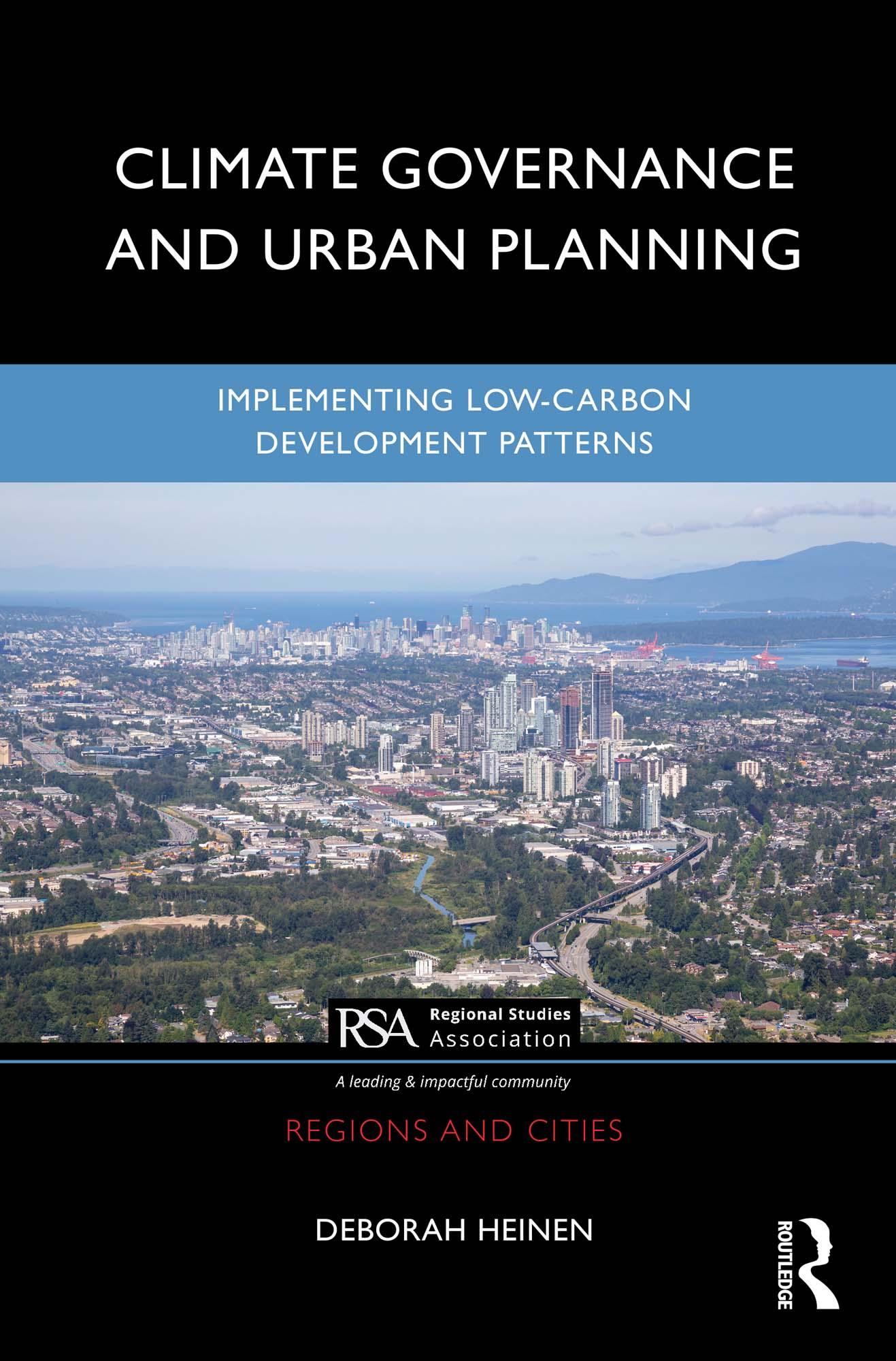
Urban planning as a discipline is deeply integral to implementing a low-carbon future. This book fosters an understanding for how the rules-in-use that govern urban planning influence the ability to implement low-carbon development patterns. Drawing on the theoretical foundations of the climate governance and urban planning literatures, the book provides a context to understand plan implementation challenges and obstacles in metropolitan areas.
As metropolitan regions across the globe seek to reduce emissions from transportation, many levels of governments have developed ambitious climate action plans that make land use and transportation recommendations in order to reduce vehicle miles traveled. Many have recommended low-carbon development patterns which are characterized by intensified and diversified uses around rapid transit stations. However, the implementation of these recommendations is done within the context of different "rules-in-use" unique to the planning systems in each metropolitan region. The book examines the rules-in-use in three metropolitan regions of similar demographic size: the Metro Vancouver, Puget Sound, and the Stuttgart regions. By examining the implementation of low-carbon development patterns, the book focuses on growth management related questions about how to coordinate transit investments with land use decisions in metropolitan regions. The book finds that state legislation that deals with metropolitan planning and regional growth strategies can greatly aid in creating accountability among actors as well as provide a road map to navigate conflicts when implementing low-carbon development patterns.
By focusing on the rules-in-use, the book is of interest to policy-makers, planners, advocates, and researchers who wish to assess and improve the odds of implementing low-carbon development patterns in a metropolitan region.
Płać wygodnie kartą, Klarną, Apple Pay lub Google Pay. Nie jesteś zadowolony? Zawsze masz 14-dniową gwarancję zwrotu pieniędzy. Więcej przeczytasz w naszych warunkach. Masz pytania? Napisz do nas na hello@memmo.org.
Memmo ułatwia naukę – gdziekolwiek jesteś na świecie. U nas znajdziesz podręczniki i sprytne narzędzia do nauki w jednym miejscu: streszczenia, quizy, podcasty i fiszki. A do tego Ted, Twój kumpel do nauki, który odpowie na wszystko, co Cię nurtuje. Ponad 50 000 studentów już tu się uczy – stworzone, byś uczył się szybciej i mniej stresował.