
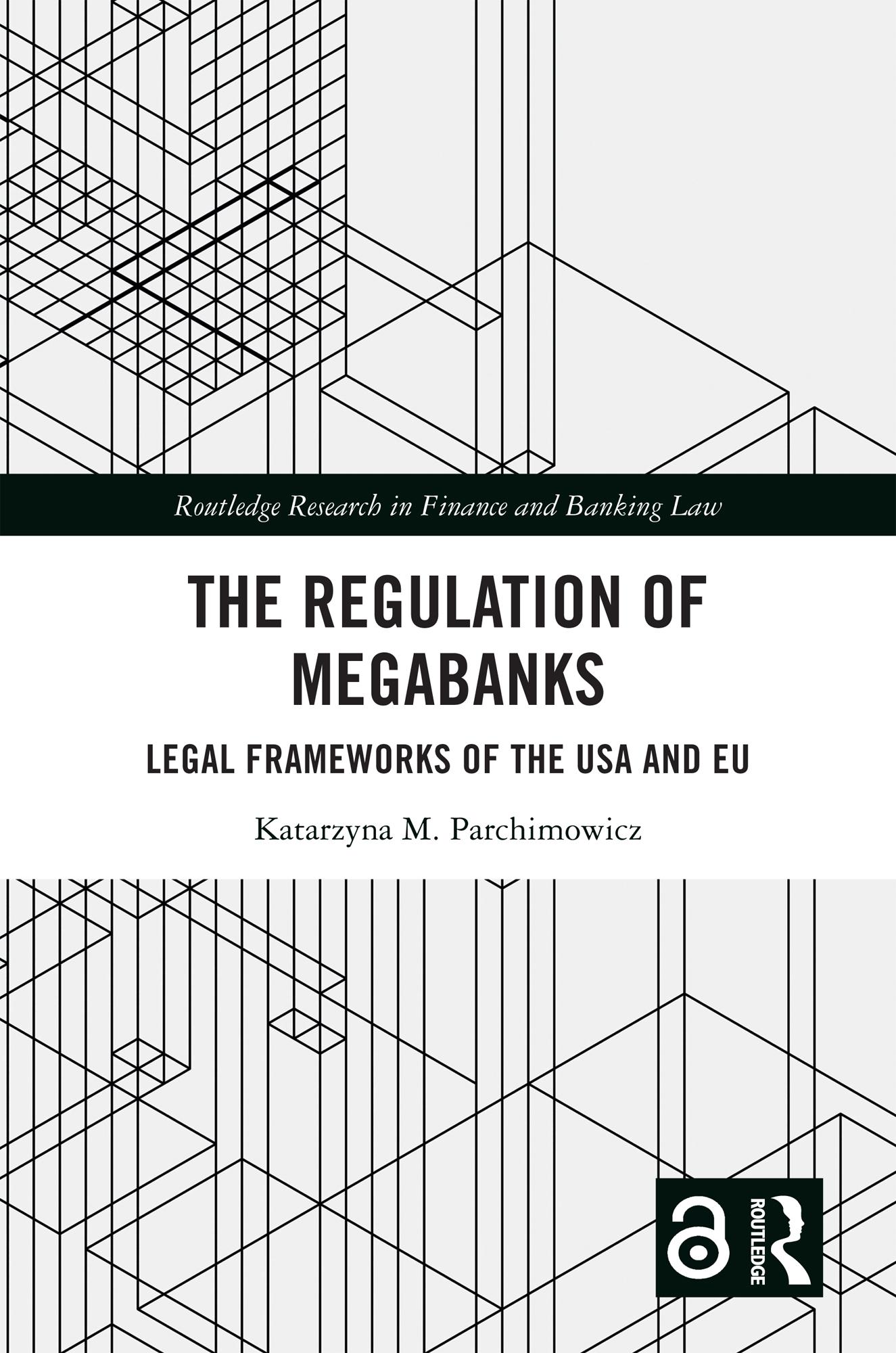
Global systemically important banks (G-SIBs) are the largest, most complex and, in the event of their potential failure, most threatening banking institutions in the world. The Global Financial Crisis (GFC) was a turning point for G-SIBs, many of which contributed to the outbreak and severity of this downturn. The unfolding of the GFC also revealed flaws and omissions in the legal framework applying to financial entities. In the context of G-SIBs, it clearly demonstrated that the legal regimes, both in the USA and in the EU, grossly ignored the specific character of these institutions and their systemic importance, complexity, and individualism. As a result of this omission, these megabanks were long treated like any other smaller banking institutions.
Since the GFC, legal systems have changed a lot on both sides of the Atlantic, and global and national lawmakers have adopted new rules applying specifically to G-SIBs to reduce their threat to financial stability. This book explores whether the G-SIB-specific regulatory frameworks are adequately tailored to their individualism in order to prevent them from exploiting overly general rules, as they did during the GFC. Analyzing the specific character and individualism of G-SIBs, in relation to their history, normal functioning, as well as their operations during the GFC, this book discusses transformation of banking systems and the challenges and opportunities G-SIBs face, such as Big Tech competitors, climate-related requirements, and the COVID-19 pandemic.
Taking a multidisciplinary approach which combines financial aspects of operations of G- SIBs and legal analysis, the book describes G-SIB-oriented legal frameworks of the EU and the USA and assesses whether G-SIB individualism is adequately reflected, analyzing trends in supervisory action when it comes to discretion in the G-SIB context, all in order to contribute to the ongoing discussions about international banking law, its problems, and potential remedies to such persistent flaws.
Płać wygodnie kartą, Klarną, Apple Pay lub Google Pay. Nie jesteś zadowolony? Zawsze masz 14-dniową gwarancję zwrotu pieniędzy. Więcej przeczytasz w naszych warunkach. Masz pytania? Napisz do nas na hello@memmo.org.
Memmo ułatwia naukę – gdziekolwiek jesteś na świecie. U nas znajdziesz podręczniki i sprytne narzędzia do nauki w jednym miejscu: streszczenia, quizy, podcasty i fiszki. A do tego Ted, Twój kumpel do nauki, który odpowie na wszystko, co Cię nurtuje. Ponad 50 000 studentów już tu się uczy – stworzone, byś uczył się szybciej i mniej stresował.