
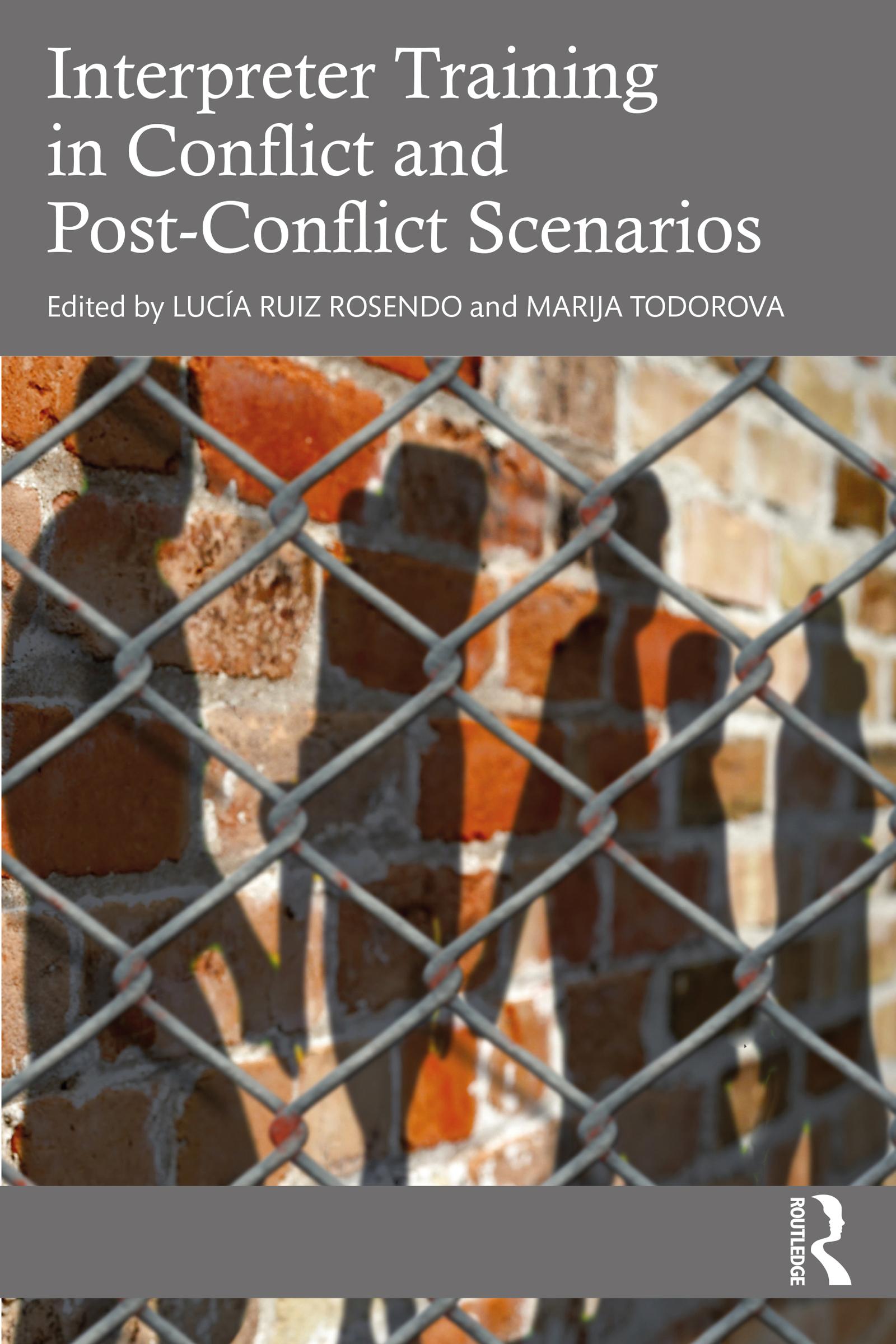
The role of interpreters in conflict situations is of increasing real world importance. There are ethical, cultural, and professional issues that have yet to be explored, and there is a need for specialised training that addresses the specific contexts in which interpreters perform their duties, considering the situated nature of interpreting in these contexts.
This volume is structured around interpreter training in different contexts of conflict and post-conflict, from military operations and international tribunals to asylum-seeking and refugee, humanitarian, and human rights missions. Themes covered include risk management and communication, ethics and professional demeanour, language technology and its use, intercultural mediation, training in specific contexts, such as conflict resolution and negotiation, and working with trauma. Chapters are authored by experts from around the world with a range of different profiles: military personnel, scholars, the staff of international organisations, and representatives from refugee and asylum-seeker-assisting institutions.
Interpreter Training in Conflict and Post-Conflict Scenarios is key reading both for students and scholars researching interpreting in conflict zones and conflict-related scenarios and for practising and trainee interpreters and mediators working for international organisations and the military.
Płać wygodnie kartą, Klarną, Apple Pay lub Google Pay. Nie jesteś zadowolony? Zawsze masz 14-dniową gwarancję zwrotu pieniędzy. Więcej przeczytasz w naszych warunkach. Masz pytania? Napisz do nas na hello@memmo.org.
Memmo ułatwia naukę – gdziekolwiek jesteś na świecie. U nas znajdziesz podręczniki i sprytne narzędzia do nauki w jednym miejscu: streszczenia, quizy, podcasty i fiszki. A do tego Ted, Twój kumpel do nauki, który odpowie na wszystko, co Cię nurtuje. Ponad 50 000 studentów już tu się uczy – stworzone, byś uczył się szybciej i mniej stresował.