
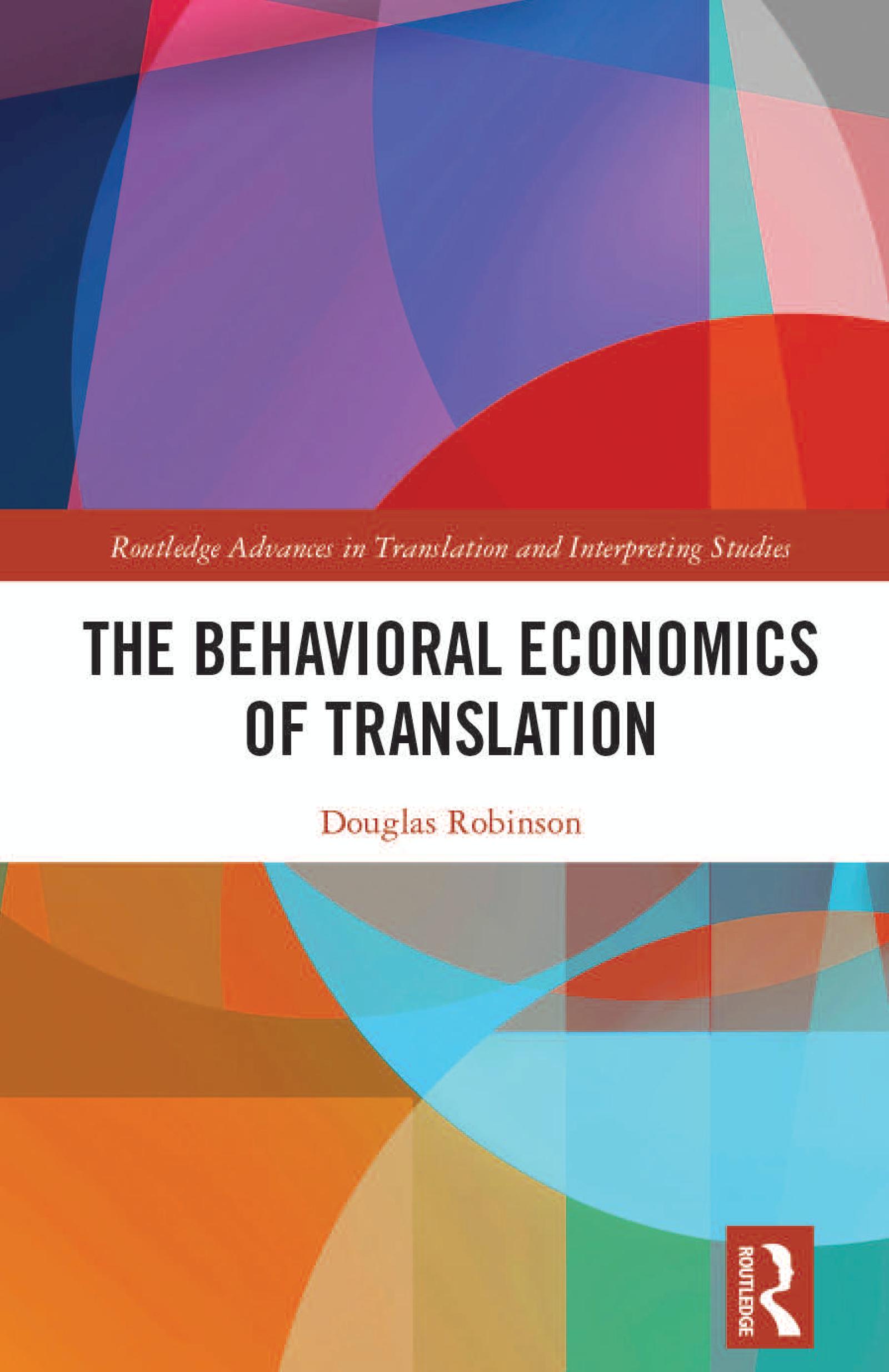
This book applies frameworks from behavioral economics to Western thinking about translation, mapping four approaches to eight keywords in translation studies to bring together divergent perspectives on the study of translation and interpreting.
The volume takes its points of departure from the tensions between the concerns of behavioral and neoclassical economists. The book considers on one side behavioral economists’ interest in the predictable irrationality of “Humans” and its nuances as they unfold in terms of gender, here organized around Masculine Human, Feminine Human, and Queer perspectives, and on the other side neoclassical economists’ chief concerns with the unfailing rationality of the “Econs.” Robinson applies these four approaches across eight chapters, each representing a keyword in the study of translation—agency; difference; Eurocentrism; hermeneutics; language; norms; rhetoric; and world literature—with case studies that problematize the different categories.
Taken together, the book offers a comprehensive treatment of the behavioral economics of translation and promotes new ways of thinking in the study of translation and interpreting, making it of interest to scholars in the discipline as well as those working along interdisciplinary lines in related fields such as philosophy, literature, and political science.
Płać wygodnie kartą, Klarną, Apple Pay lub Google Pay. Nie jesteś zadowolony? Zawsze masz 14-dniową gwarancję zwrotu pieniędzy. Więcej przeczytasz w naszych warunkach. Masz pytania? Napisz do nas na hello@memmo.org.
Memmo ułatwia naukę – gdziekolwiek jesteś na świecie. U nas znajdziesz podręczniki i sprytne narzędzia do nauki w jednym miejscu: streszczenia, quizy, podcasty i fiszki. A do tego Ted, Twój kumpel do nauki, który odpowie na wszystko, co Cię nurtuje. Ponad 50 000 studentów już tu się uczy – stworzone, byś uczył się szybciej i mniej stresował.