
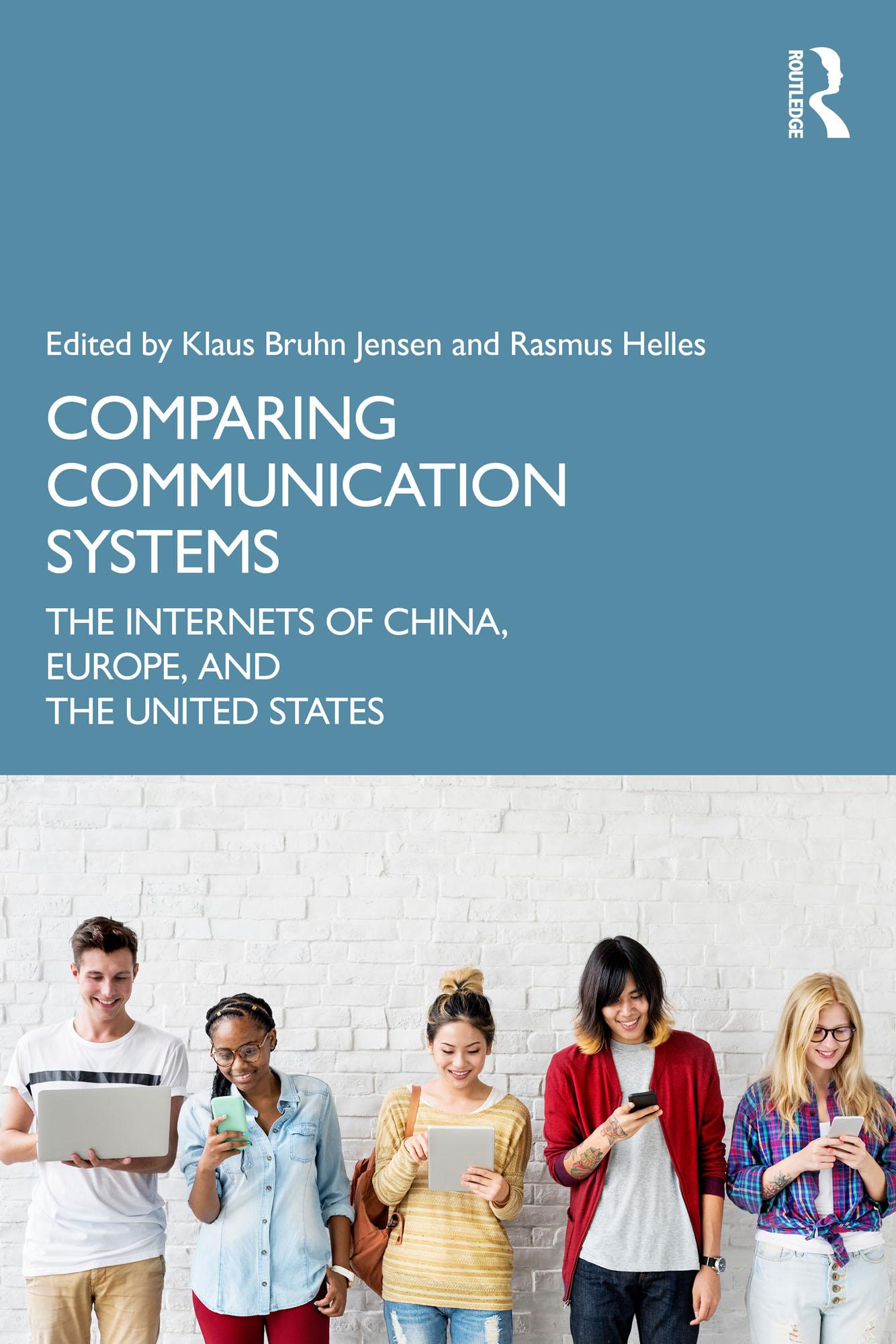
Emphasizing the perspective of ordinary users, this book compares the uses of the internet in three centers of the global economy and world politics: China, Europe, and the United States. It examines the internet as the current centerpiece of communication systems encompassing interpersonal communication, mass communication, and social networking.
The internet is unique as a medium in that it hosts both "old" media and "new" media. As such, it also integrates the prototypes of one-to-one (interpersonal) and one-to-many (broadcast) along with many-to-many (social media) and many-to-one (surveillance) communication. This book considers how all these media and communicative practices are embedded in social structures, cultural traditions, and historical legacies of place. Comparing conditions in China, Europe, and the United States, the chapters provide an overview of the distinctive regulatory regimes framing the internet and its local uses, the place of the internet in everyday life in each setting, and how the internet serves as a resource for political, economic, and cultural actions and interactions.
Linking comparative analysis of media and social systems with ethnographic studies of internet usage on the ground, this book will be of particular interest to students and scholars working in global media, intercultural communication, and internet studies.
Płać wygodnie kartą, Klarną, Apple Pay lub Google Pay. Nie jesteś zadowolony? Zawsze masz 14-dniową gwarancję zwrotu pieniędzy. Więcej przeczytasz w naszych warunkach. Masz pytania? Napisz do nas na hello@memmo.org.
Memmo ułatwia naukę – gdziekolwiek jesteś na świecie. U nas znajdziesz podręczniki i sprytne narzędzia do nauki w jednym miejscu: streszczenia, quizy, podcasty i fiszki. A do tego Ted, Twój kumpel do nauki, który odpowie na wszystko, co Cię nurtuje. Ponad 50 000 studentów już tu się uczy – stworzone, byś uczył się szybciej i mniej stresował.