
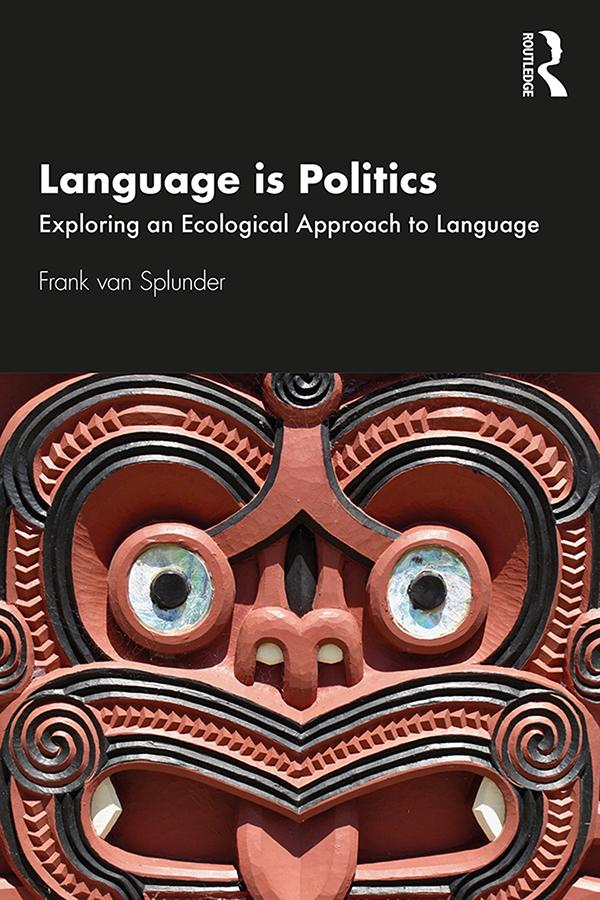
Language is Politics discusses power relations between languages in the world, with a particular focus on English. Even though English is the most widely spoken and the most powerful language worldwide, it is not the lingua franca it is often supposed to be. The basic tenet of this book is that languages do not exist in the natural world; they are artefacts made by humans.
The book debunks some common myths about language and it suggests that we should be more modest in our assumptions, for instance concerning the linguistic uniqueness of our own species. The author argues in favour of an ecological or balanced approach to language. This approach sees humans and other animals as part of the larger ecosystems that life depends on. As in nature, diversity is crucial to the survival of languages. The current linguistic ecosystem is out of balance, and this book shows that education can help to restore the balance and cope with the challenges of a multilingual and multicultural world.
With an ecological approach to language and a focus on narratives and personal language histories, this will be key reading for researchers and academics, as well as students of English language and linguistics.
Płać wygodnie kartą, Klarną, Apple Pay lub Google Pay. Nie jesteś zadowolony? Zawsze masz 14-dniową gwarancję zwrotu pieniędzy. Więcej przeczytasz w naszych warunkach. Masz pytania? Napisz do nas na hello@memmo.org.
Memmo ułatwia naukę – gdziekolwiek jesteś na świecie. U nas znajdziesz podręczniki i sprytne narzędzia do nauki w jednym miejscu: streszczenia, quizy, podcasty i fiszki. A do tego Ted, Twój kumpel do nauki, który odpowie na wszystko, co Cię nurtuje. Ponad 50 000 studentów już tu się uczy – stworzone, byś uczył się szybciej i mniej stresował.