
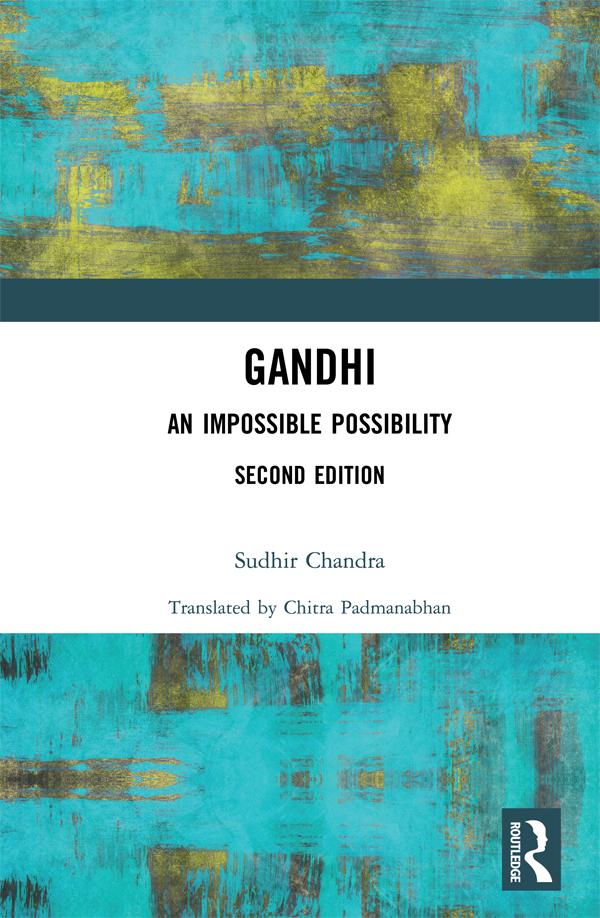
Gandhi was perhaps the most influential yet misunderstood figure of the twentieth century. Drawing close attention to his last years, this book explores the marked change in his understanding of the acceptance of non-violence by Indians. It points to a startling discovery Gandhi made in the years preceding India’s Independence and Partition: the struggle for freedom which he had all along believed to be non-violent was in fact not so. He realised that there was a causal relationship between the path of illusory ahimsa, which had held sway during the freedom struggle, and the violence that erupted thereafter during Partition.
In the second edition of this much-acclaimed volume, Chandra revisits Gandhi’s philosophy to explain how and why the phenomenon of the Mahatma has been understood and misunderstood through the years. Calling for a rethink of the very nature and foundation of modern India, this book throws new light on Gandhian philosophy and its far-reaching implications for the world today. It will interest not only scholars and researchers of modern Indian history, politics and philosophy, but also lay readers.
Płać wygodnie kartą, Klarną, Apple Pay lub Google Pay. Nie jesteś zadowolony? Zawsze masz 14-dniową gwarancję zwrotu pieniędzy. Więcej przeczytasz w naszych warunkach. Masz pytania? Napisz do nas na hello@memmo.org.
Memmo ułatwia naukę – gdziekolwiek jesteś na świecie. U nas znajdziesz podręczniki i sprytne narzędzia do nauki w jednym miejscu: streszczenia, quizy, podcasty i fiszki. A do tego Ted, Twój kumpel do nauki, który odpowie na wszystko, co Cię nurtuje. Ponad 50 000 studentów już tu się uczy – stworzone, byś uczył się szybciej i mniej stresował.