
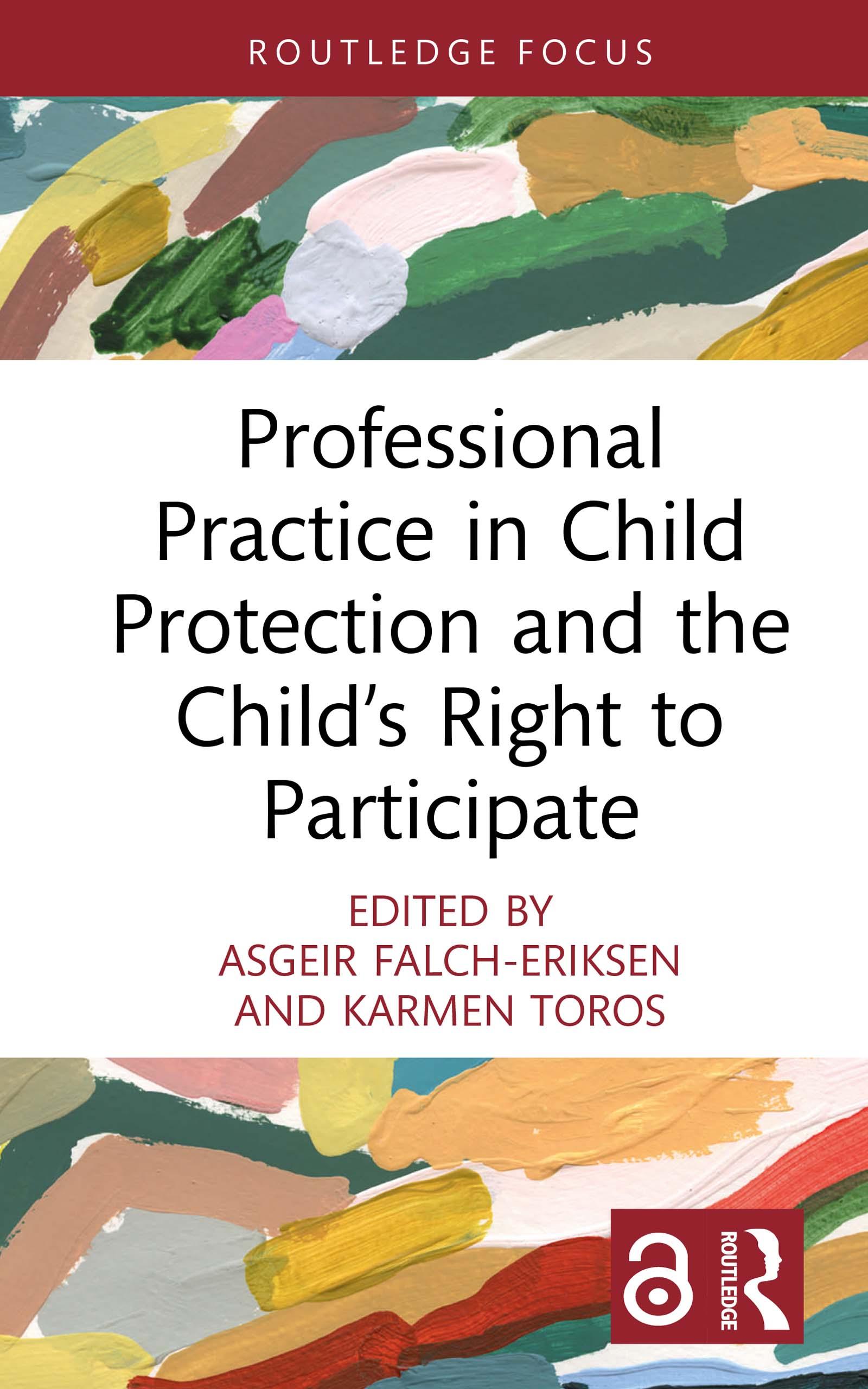
This book explains and discusses how a child’s right to freedom of expression is upheld through practice and decision-making in Child Protection Services (CPS).
Using the right to expression as stipulated in Article 12.2 of the United Nations Convention on the Rights of the Child (CRC) as a point of departure, it explains what CPS practices should look like and how they must operate to uphold and enforce the rights of the child by providing "the opportunity to be heard" in any administrative practice. Current research literature documents extensively, and across countries, how either the voice of the child is not heard or, alternatively, the existence of a pro forma/tokenistic approach to listening to the child throughout CPS practices. Taking a three-fold approach, this book
- establishes a clearer connection between rights and professional practice according to Article 12
- extrapolates how rights-based practice is achieved during CPS practices
- provides a comprehensive answer to the challenge of implementing Article 12.2 through policy and legislation.
It will be of interest to all students, academic and professionals working within child protection including social workers, probation officers, health and social care workers, lawyers and teachers.
The Open Access version of this book, available at www.taylorfrancis.com, has been made available under a Creative Commons Attribution-Non Commercial-No Derivatives 4.0 license.
Płać wygodnie kartą, Klarną, Apple Pay lub Google Pay. Nie jesteś zadowolony? Zawsze masz 14-dniową gwarancję zwrotu pieniędzy. Więcej przeczytasz w naszych warunkach. Masz pytania? Napisz do nas na hello@memmo.org.
Memmo ułatwia naukę – gdziekolwiek jesteś na świecie. U nas znajdziesz podręczniki i sprytne narzędzia do nauki w jednym miejscu: streszczenia, quizy, podcasty i fiszki. A do tego Ted, Twój kumpel do nauki, który odpowie na wszystko, co Cię nurtuje. Ponad 50 000 studentów już tu się uczy – stworzone, byś uczył się szybciej i mniej stresował.