
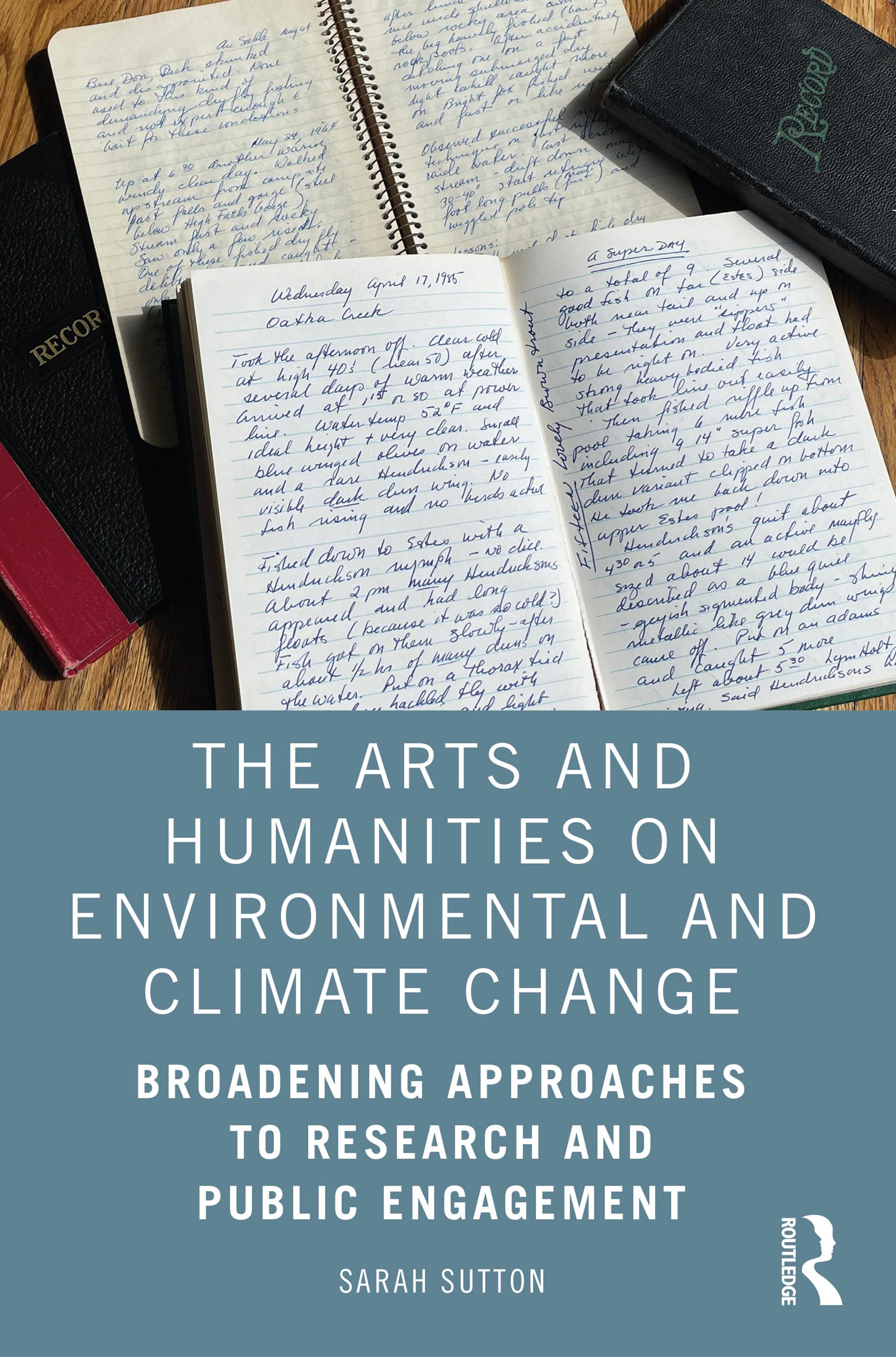
The Arts and Humanities on Environmental and Climate Change examines how cultural institutions and their collections can support a goal shared with the scientific community: creating a climate-literate public that engages with environmental issues and climate change in an informed way.
When researchers, curators, and educators use the arts and humanities to frame discussions about environmental and climate change, they can engage a far wider public in learning, conversation, and action than science can alone. Demonstrating that archival and object-based resources can act as vital evidence for change, Sutton shows how the historical record, paired with contemporary reality, can create more personal connections to what many consider a remote experience: the changing climate. Providing valuable examples of museum collections used in discussions of environmental and climate change, the book shares how historic images and landscape paintings demonstrate change over time; and how documentary evidence in the form of archaeological reports, ships logs, Henry David Thoreau’s journals, and local reports of pond hockey conditions are being used to render climate data more accessible. Images, personal records, and professional documents have critical roles as boundary objects and proxy data. These climate resources, Sutton argues, are valuable because they make climate change personal and attract a public less interested in a scientific approach. This approach is underused by museums and their research allies for public engagement and for building institutional relevancy.
The Arts and Humanities on Environmental and Climate Change will be most interesting to readers looking for ways to broaden engagement with environmental and climate issues. The ideas shared here should also act as inspiration for a broad spectrum of practitioners, particularly those writing, designing, and curating public engagement materials in museums, for wider research, and for the media.
Płać wygodnie kartą, Klarną, Apple Pay lub Google Pay. Nie jesteś zadowolony? Zawsze masz 14-dniową gwarancję zwrotu pieniędzy. Więcej przeczytasz w naszych warunkach. Masz pytania? Napisz do nas na hello@memmo.org.
Memmo ułatwia naukę – gdziekolwiek jesteś na świecie. U nas znajdziesz podręczniki i sprytne narzędzia do nauki w jednym miejscu: streszczenia, quizy, podcasty i fiszki. A do tego Ted, Twój kumpel do nauki, który odpowie na wszystko, co Cię nurtuje. Ponad 50 000 studentów już tu się uczy – stworzone, byś uczył się szybciej i mniej stresował.