
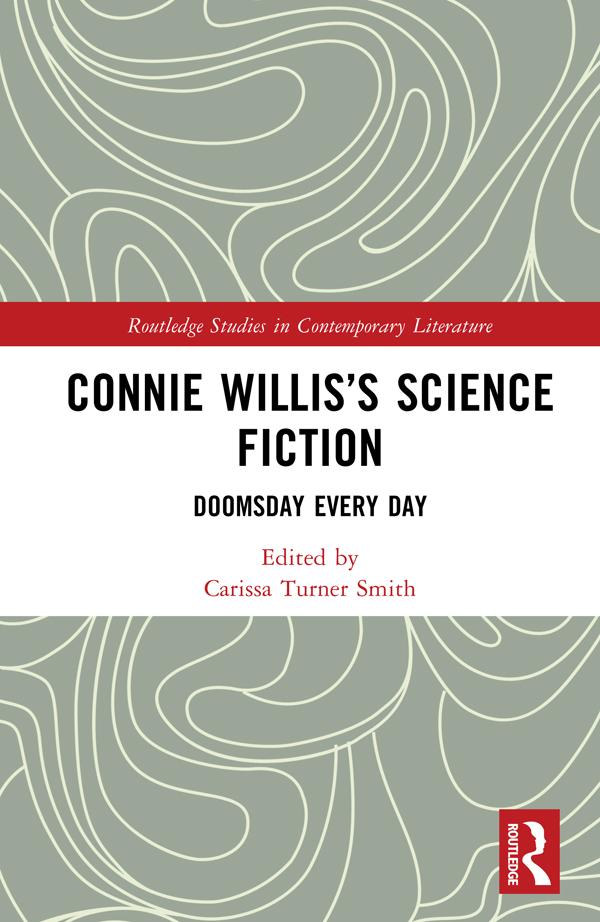
In spite of Connie Willis’s numerous science fiction awards and her groundbreaking history as a woman in the field, there is a surprising dearth of critical publication surrounding her work. Taking Doomsday Book as its cue, this collection argues that Connie Willis’s most famous novel, along with the rest of her oeuvre, performs science fiction’s task of cognitive estrangement by highlighting our human inability to read the times correctly—and yet also affirming the ethical imperative to attempt to truly observe and record our temporal location. Willis’s fiction emphasizes that doomsdays happen every day, and they risk being forgotten by some, even as their trauma repeats for others. However, disasters also have the potential to upend accepted knowledge and transform the social order for the better, and this collection considers the ways that Willis pairs comic and tragic modes to reflect these uncertainties.
Płać wygodnie kartą, Klarną, Apple Pay lub Google Pay. Nie jesteś zadowolony? Zawsze masz 14-dniową gwarancję zwrotu pieniędzy. Więcej przeczytasz w naszych warunkach. Masz pytania? Napisz do nas na hello@memmo.org.
Memmo ułatwia naukę – gdziekolwiek jesteś na świecie. U nas znajdziesz podręczniki i sprytne narzędzia do nauki w jednym miejscu: streszczenia, quizy, podcasty i fiszki. A do tego Ted, Twój kumpel do nauki, który odpowie na wszystko, co Cię nurtuje. Ponad 50 000 studentów już tu się uczy – stworzone, byś uczył się szybciej i mniej stresował.