
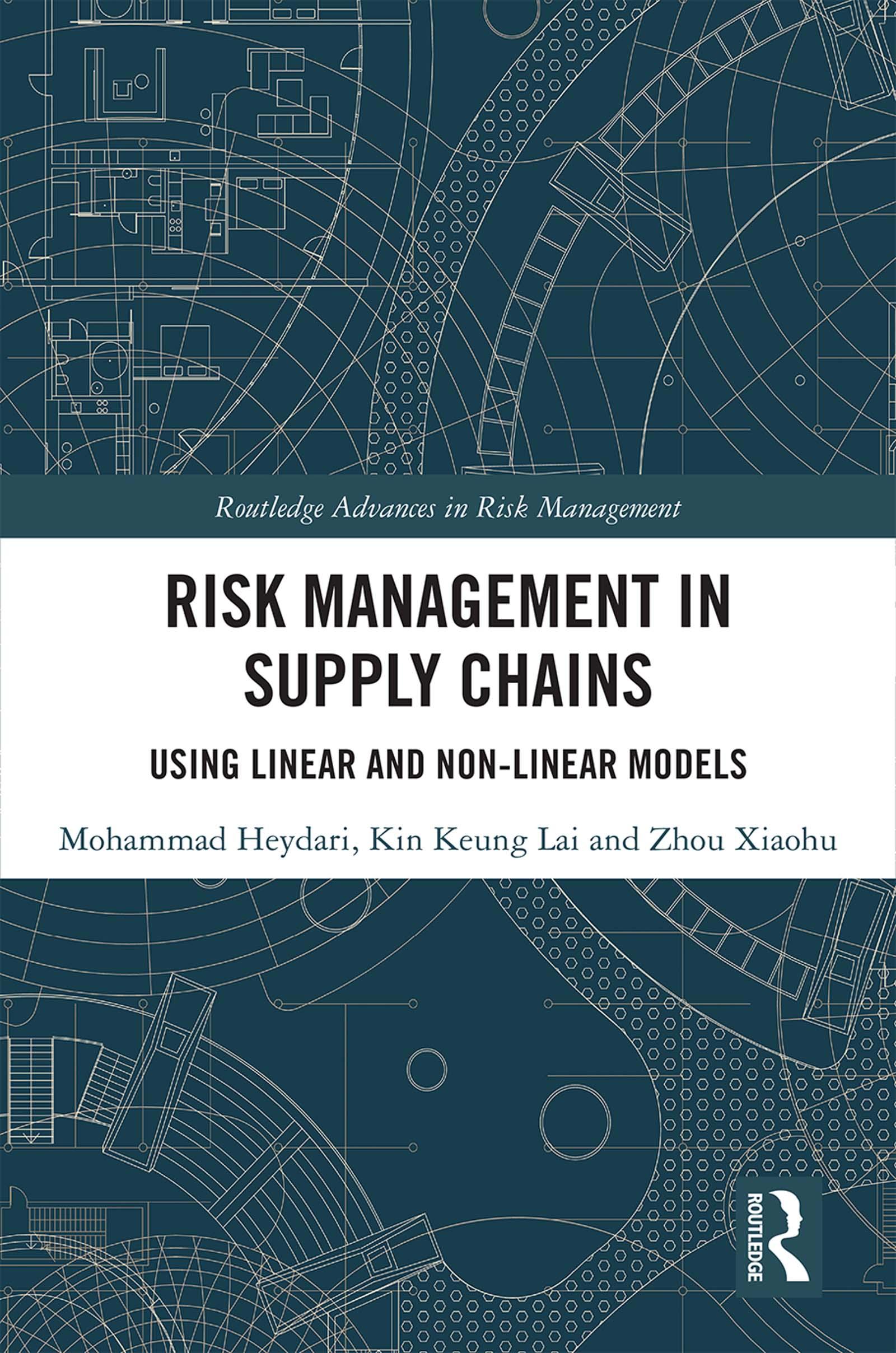
The book examines a relatively unexplored issue in supply chain risk management, which is how long companies specifically take to respond to catastrophic events of low probability but high impact. The book also looks at why such supply chain disruptions are unavoidable, and consequently, all complex supply chains are inherently at risk.
The book illustrates how companies can respond to supply chain disruptions with faster responses and in shorter lead-times to reduce impact. In reducing total response time, designing solutions, and deploying a recovery plan sooner after a disruption in anticipation of such events, companies reduce the impact of disruption risk. The book also explores the basics of multiple-criteria decision-making (MCDM) and analytic hierarchy process (AHP), and how they contribute to both the quality of the financial economic decision-making process and the quality of the resulting decisions. The book illustrates through cases in the construction sector how this industry has become more complex and riskier due to the diverse nature of activities among global companies.
Płać wygodnie kartą, Klarną, Apple Pay lub Google Pay. Nie jesteś zadowolony? Zawsze masz 14-dniową gwarancję zwrotu pieniędzy. Więcej przeczytasz w naszych warunkach. Masz pytania? Napisz do nas na hello@memmo.org.
Memmo ułatwia naukę – gdziekolwiek jesteś na świecie. U nas znajdziesz podręczniki i sprytne narzędzia do nauki w jednym miejscu: streszczenia, quizy, podcasty i fiszki. A do tego Ted, Twój kumpel do nauki, który odpowie na wszystko, co Cię nurtuje. Ponad 50 000 studentów już tu się uczy – stworzone, byś uczył się szybciej i mniej stresował.