
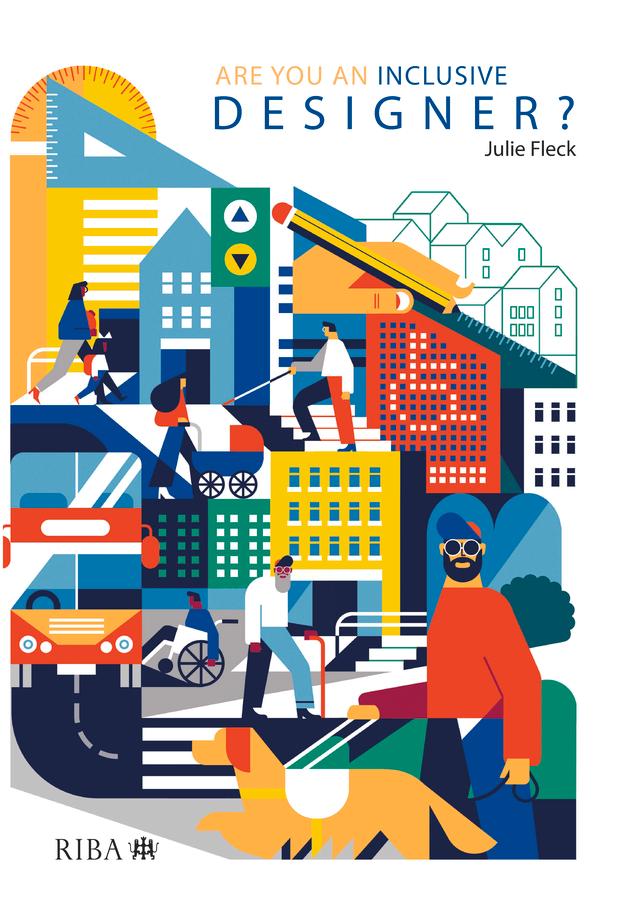
Despite improvements in the last 20 years we still have a long way to go before all of our buildings, places and spaces are easy and comfortable for all of us to use. This book puts forward a powerful case for a totally new attitude towards inclusivity and accessibility. Exploring both the social and the business cases for striving for better, this book will empower architects to have more enlightened discussions with their clients about why we should be striving for better than the bare minimum, and challenging the notion that inclusive design should be thought of reductively as simply a list of “special features” to be added to a final design, or that inclusivity is only about wheelchair access. This book will be to help make inclusive design business as usual rather than something that is added on to address legislation at the end of the development process. Accessible and engaging, this book will be an invaluable resource for students as well as practicing architects, richly illustrated with case studies showing both good and bad examples of inclusive design and celebrating inclusion.
Płać wygodnie kartą, Klarną, Apple Pay lub Google Pay. Nie jesteś zadowolony? Zawsze masz 14-dniową gwarancję zwrotu pieniędzy. Więcej przeczytasz w naszych warunkach. Masz pytania? Napisz do nas na hello@memmo.org.
Memmo ułatwia naukę – gdziekolwiek jesteś na świecie. U nas znajdziesz podręczniki i sprytne narzędzia do nauki w jednym miejscu: streszczenia, quizy, podcasty i fiszki. A do tego Ted, Twój kumpel do nauki, który odpowie na wszystko, co Cię nurtuje. Ponad 50 000 studentów już tu się uczy – stworzone, byś uczył się szybciej i mniej stresował.