
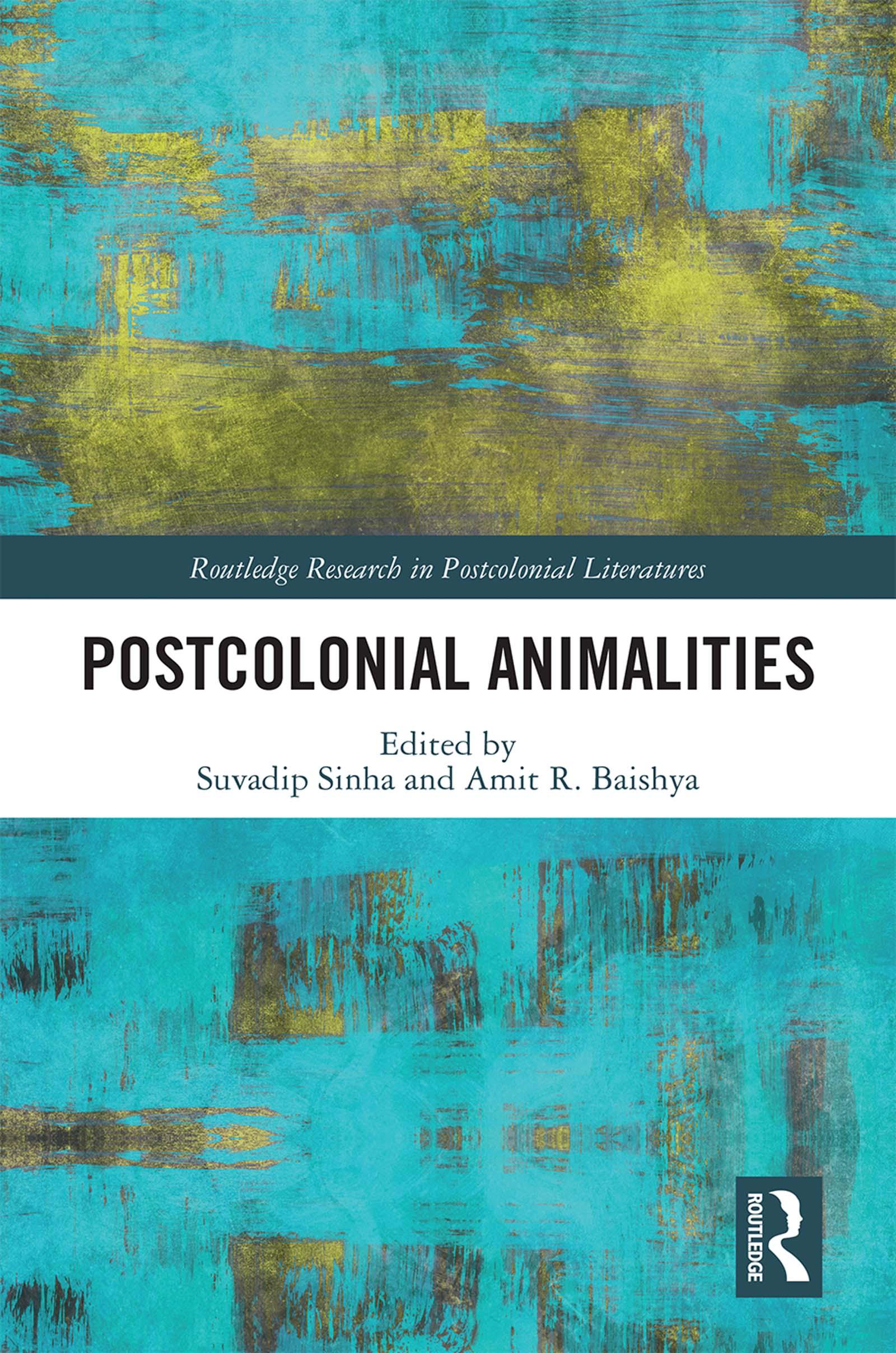
Postcolonial Animalities, co-edited by Suvadip Sinha and Amit R. Baishya, brings together ten essays to consider the interfaces between "human" and "animal" and the concrete presence of animals in postcolonial cultural production. This edited collection critiques monohumanist conceptions of the "human" and considers the co-constitutiveness of imaginaries of the human with grammars of animality. One of the central contributions of this volume is to decolonize existing conceptualizations of the human-animal relationship, and to consider the material representation of animals within the realm of colonial and postcolonial cultural production from the perspective of ethical alterity and alternative narratives of anticolonial and postcolonial politics. The volume also explores entanglements of race and species in colonial and neocolonial frameworks without transforming such inquiries into a zero-sum game that privileges one category over another. The essays in the volume, focusing on multiple geographical locations ranging from South Asia, Southeast Asia, post-Ottoman Turkey, the Caribbean, Australia, South Africa and Palestine/Israel, historicizes and understands multispecies, interspecies and transspecies encounters, affiliations and connections in and through their localized dimensions, and studies human-animal encounters in their varied and complex affective relationalities. Through such inquiries, the volume considers how modes of representing animals, including located forms of anthropomorphism and zoomorphism, help us think-with and be-with different animals.
Płać wygodnie kartą, Klarną, Apple Pay lub Google Pay. Nie jesteś zadowolony? Zawsze masz 14-dniową gwarancję zwrotu pieniędzy. Więcej przeczytasz w naszych warunkach. Masz pytania? Napisz do nas na hello@memmo.org.
Memmo ułatwia naukę – gdziekolwiek jesteś na świecie. U nas znajdziesz podręczniki i sprytne narzędzia do nauki w jednym miejscu: streszczenia, quizy, podcasty i fiszki. A do tego Ted, Twój kumpel do nauki, który odpowie na wszystko, co Cię nurtuje. Ponad 50 000 studentów już tu się uczy – stworzone, byś uczył się szybciej i mniej stresował.