
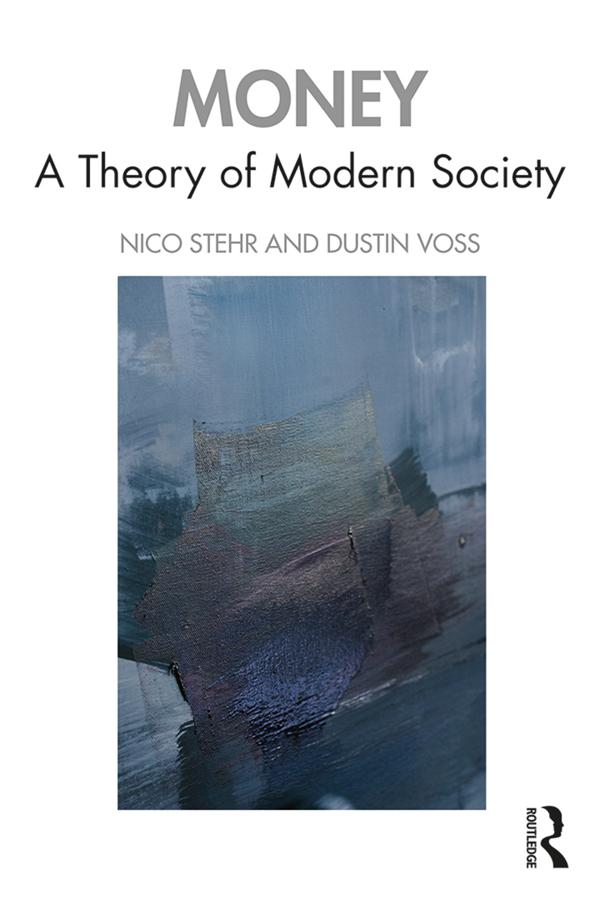
Since the publication of Georg Simmel’s Philosophy of Money more than a century ago, social science has primarily considered money a medium of exchange. This new book treats money as a more inclusive social concept that has profoundly influenced the emergence of modern society. Money is also a moral and political category. It communicates prices and thus embodies innumerable evaluations and judgments of objects and services, of social relationships and associations.
At the same time, modern societies are undergoing fundamental transformations in which money assumes an ever-important role, while banking and financial services constitute the new primary sector of modern service economies. In this book, the authors trace the transformational scope of monetarization and financialization along the four classical productive forces—land, capital, labor, and knowledge—and evaluate the consequences of an irrepressible urge to quantify and monetarize almost everything social. What happens to a society in which the tangible products of the real economy lose their preeminent status, and everything is judged purely according to its economic value? The authors identify an increasing disconnect between market prices and social values with serious social, political, economic, and environmental consequences.
Płać wygodnie kartą, Klarną, Apple Pay lub Google Pay. Nie jesteś zadowolony? Zawsze masz 14-dniową gwarancję zwrotu pieniędzy. Więcej przeczytasz w naszych warunkach. Masz pytania? Napisz do nas na hello@memmo.org.
Memmo ułatwia naukę – gdziekolwiek jesteś na świecie. U nas znajdziesz podręczniki i sprytne narzędzia do nauki w jednym miejscu: streszczenia, quizy, podcasty i fiszki. A do tego Ted, Twój kumpel do nauki, który odpowie na wszystko, co Cię nurtuje. Ponad 50 000 studentów już tu się uczy – stworzone, byś uczył się szybciej i mniej stresował.