
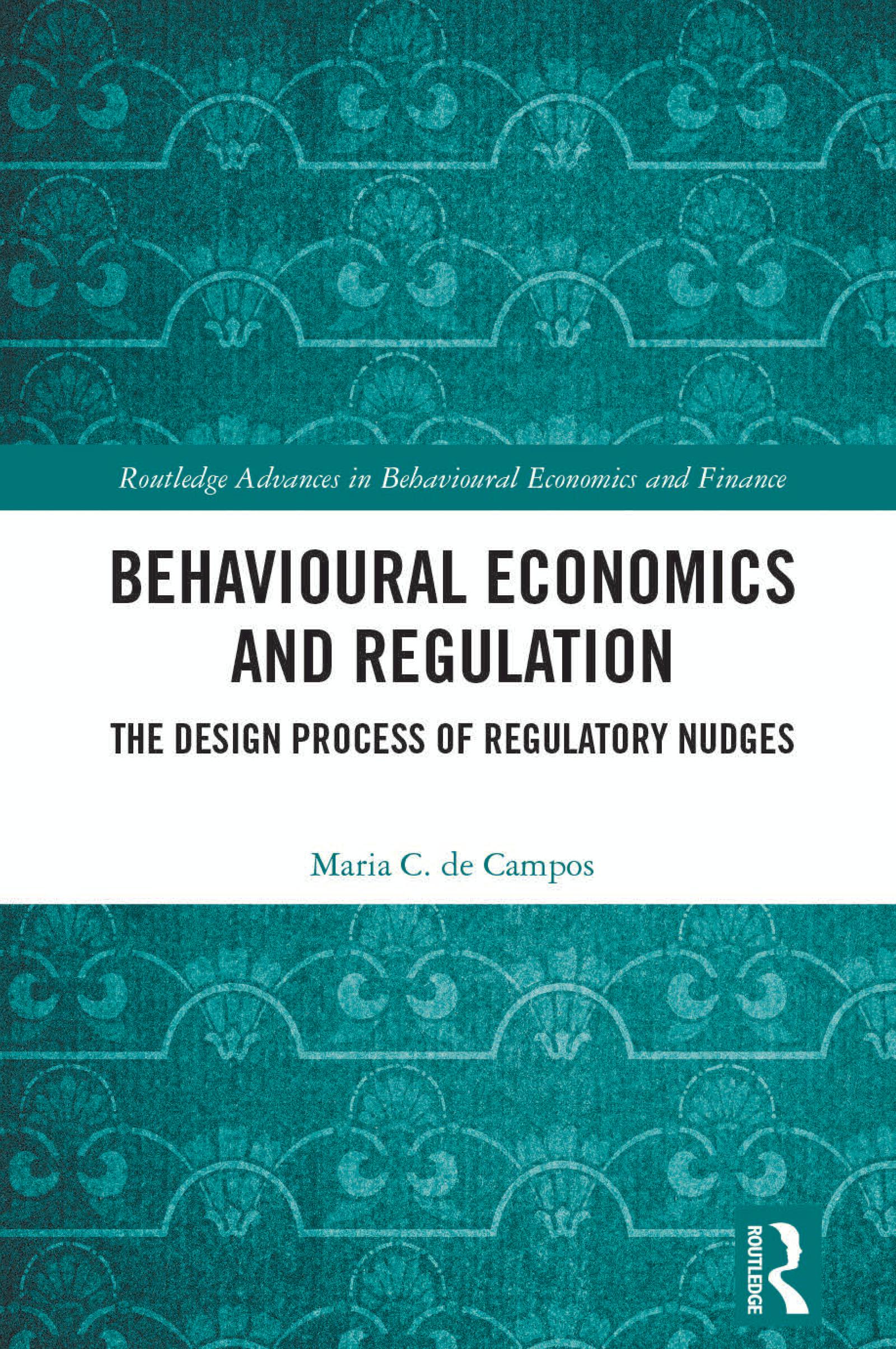
In recent years, the idea of "nudges" – small changes in individual choice architecture that do not involve incentives or coercion – has entered policy discourse and practice to address various problems ranging from energy usage to retirement savings. However, how nudges can be incorporated into regulatory practice, and whether the experimental methodologies used to design nudges are still appropriate when they are being used as a regulatory instrument is still an unexplored issue. As this book shows, the translation of ideas into the world of regulation is not so simple and straightforward.
By analysing the different experimental alternatives that regulators can use when designing nudges and through a close analysis of a real-world example – the case of the European Union tobacco warnings – this book proposes an alternative design process more in tune with the reality of regulation. The book explores the implications of iterative experimental methodologies and processes for regulators, concluding with a call for an alternative nudging’s design process tailored to the regulatory space.
This book is crucial for researchers and policy-makers interested in the incorporation of nudging into regulation and anyone interested in the implications of behavioural economics – and evidence more generally – for regulatory design.
Płać wygodnie kartą, Klarną, Apple Pay lub Google Pay. Nie jesteś zadowolony? Zawsze masz 14-dniową gwarancję zwrotu pieniędzy. Więcej przeczytasz w naszych warunkach. Masz pytania? Napisz do nas na hello@memmo.org.
Memmo ułatwia naukę – gdziekolwiek jesteś na świecie. U nas znajdziesz podręczniki i sprytne narzędzia do nauki w jednym miejscu: streszczenia, quizy, podcasty i fiszki. A do tego Ted, Twój kumpel do nauki, który odpowie na wszystko, co Cię nurtuje. Ponad 50 000 studentów już tu się uczy – stworzone, byś uczył się szybciej i mniej stresował.