
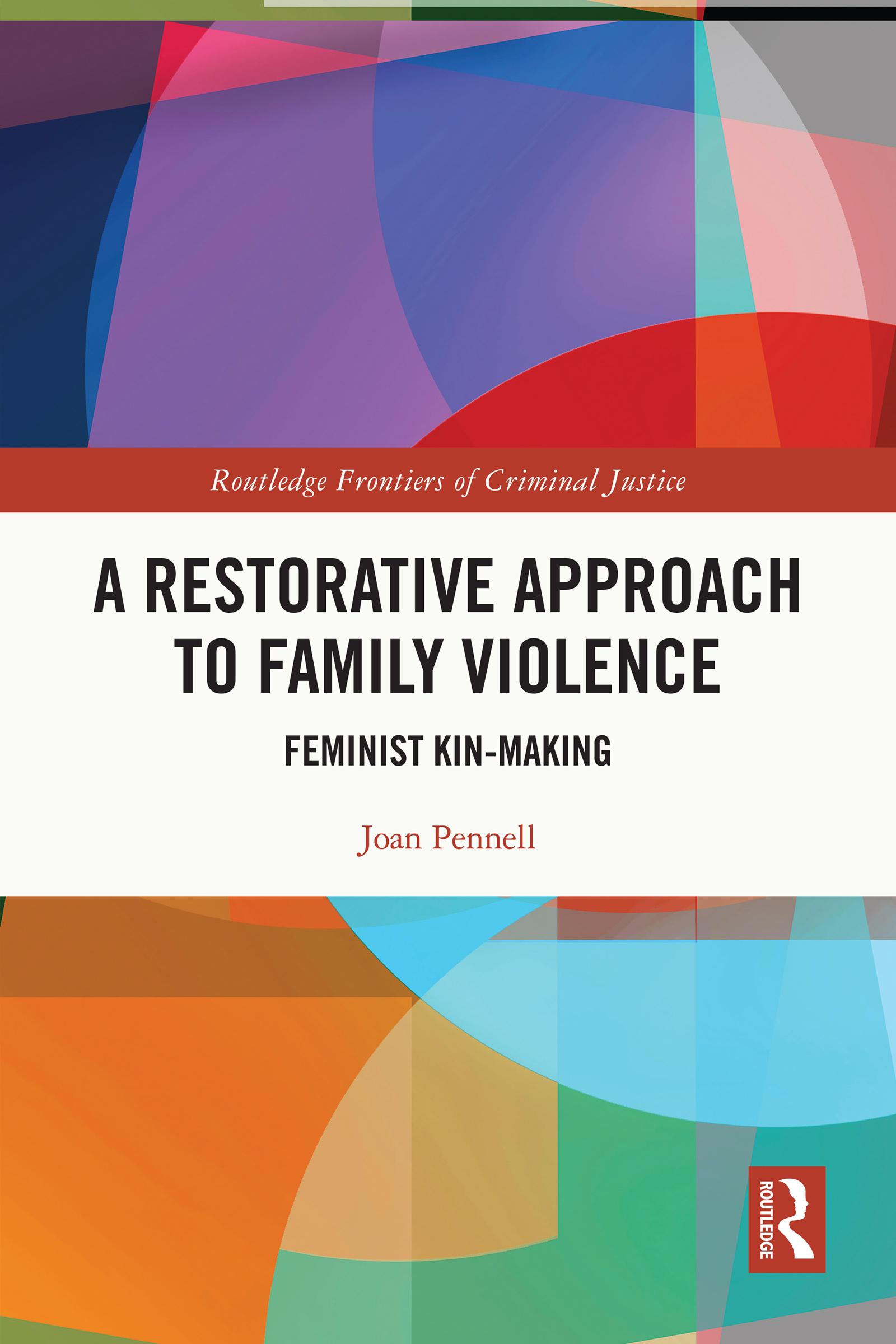
A Restorative Approach to Family Violence looks back at an early and successful demonstration of a family and culturally based model to stop severe family violence. This conferencing model, called family group decision making, was applied by three diverse Canadian communities—Inuit, rural, and urban—to the benefit of child and adult family members. Narrative inquiry identifies how engaging the family and relatives resets the narrative from misrecognition to recognition of their competence and caring.
Family violence poses some of the most long-term and controversial questions in restorative justice. Should we use a restorative approach to stop gendered and intergenerational harm? Or will bringing together those who have been harmed, those causing harm, and their supporters only incite more violence? Underlying these questions is a profound distrust of families and their cultural networks. This distrust has stalled turning away from carceral interventions that particularly harm minoritized communities.
Moving forward in time, the volume identifies blocks to trusting families and their cultural networks and means of circumventing these blocks. The book offers a theory of feminist kin-making to comprehend the restorative process and gives practical guidance to restorative participants, practitioners, policy makers, and researchers.
Płać wygodnie kartą, Klarną, Apple Pay lub Google Pay. Nie jesteś zadowolony? Zawsze masz 14-dniową gwarancję zwrotu pieniędzy. Więcej przeczytasz w naszych warunkach. Masz pytania? Napisz do nas na hello@memmo.org.
Memmo ułatwia naukę – gdziekolwiek jesteś na świecie. U nas znajdziesz podręczniki i sprytne narzędzia do nauki w jednym miejscu: streszczenia, quizy, podcasty i fiszki. A do tego Ted, Twój kumpel do nauki, który odpowie na wszystko, co Cię nurtuje. Ponad 50 000 studentów już tu się uczy – stworzone, byś uczył się szybciej i mniej stresował.