
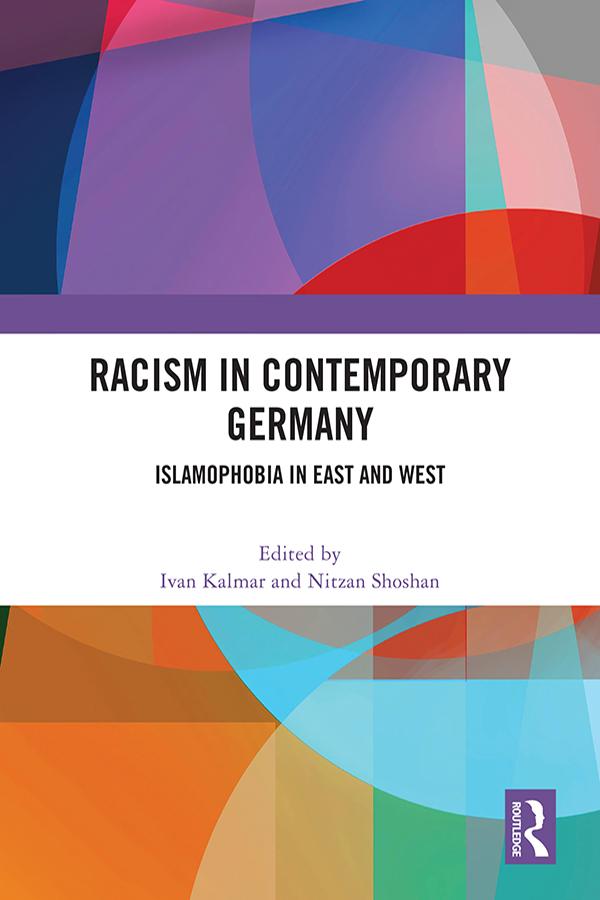
This book presents a critical and empirically informed examination of Islamophobia and related issues of racism and nationalism in Germany today, with particular attention to the East/West distinction. The authors, representing several disciplines such as anthropology, sociology, and media and literary studies, situate the topic in the global and German context of the 2015-16 "migration crisis" and its aftermath, and of the ongoing transformations seen in the postsocialist regions of the European Union.
Since the 2015-16 "refugee crisis," illiberal leaders and parties within Europe have instrumentalized Islamophobia in an attempt to dislodge the traditional political elites. Strikingly, such illiberal movements have been most successful in the formerly socialist areas of the EU. This is mirrored within Germany itself, where political formations with an Islamophobic agenda remain more popular in the East than in the West. This volume examines the reasons for this difference, including not only the ideological heritage of Soviet-dominated socialism but also the effects of western interventions in the formerly socialist areas in and beyond Germany since the end of the Cold War. Some Islamophobic and other hateful tendencies were in fact introduced from, and continue to prosper also, in the West.
The chapters in this book were originally published as a special issue of the Journal of Contemporary European Studies.
Płać wygodnie kartą, Klarną, Apple Pay lub Google Pay. Nie jesteś zadowolony? Zawsze masz 14-dniową gwarancję zwrotu pieniędzy. Więcej przeczytasz w naszych warunkach. Masz pytania? Napisz do nas na hello@memmo.org.
Memmo ułatwia naukę – gdziekolwiek jesteś na świecie. U nas znajdziesz podręczniki i sprytne narzędzia do nauki w jednym miejscu: streszczenia, quizy, podcasty i fiszki. A do tego Ted, Twój kumpel do nauki, który odpowie na wszystko, co Cię nurtuje. Ponad 50 000 studentów już tu się uczy – stworzone, byś uczył się szybciej i mniej stresował.