
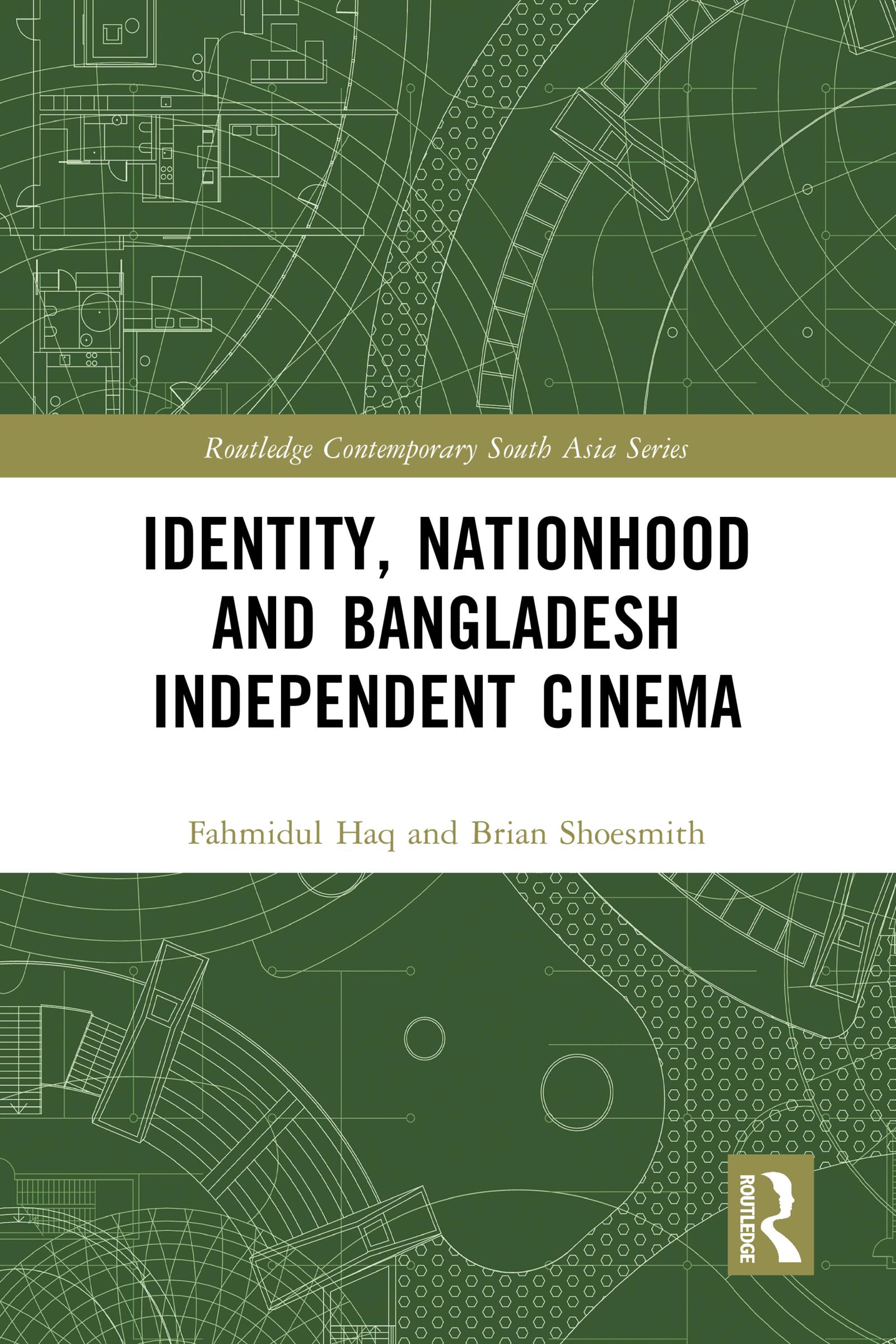
This book analyses how independent filmmakers from Bangladesh have represented national identity in their films. The focus of this book is on independent and art house filmmakers and how cinema plays a vital role in constructing national and cultural identity.
The authors examine post-2000 films which predominantly deal with issues of national identity and demonstrate how they tackle questions of national identity. Bangladesh is seemingly a homogenous country consisting 98% of Bengali and 90% of Muslim. This majority group has two dominant identities – Bengaliness (the ethno-linguistic identity) and Muslimness (the religious identity). Bengaliness is perceived as secular-modern whereas Muslimness is perceived as traditional and conservative. However, Bangladeshi independent and art house filmmakers portray the nationhood of the country with an enthusiasm and liveliness that exceeds these two categories. In addition to these categories, the authors add two more dimensions to the approach to discuss identity: Popular Religion and Transformation. The study argues that these identity categories are represented in the films, and that they both reproduce and challenge dominant discourses of nationalism.
Providing a new addition to the discourse of contemporary national identity, the book will be of interest to researchers studying international film and media studies, independent cinema studies, Asian cinema, and South Asian culture, politics, and identity politics.
Płać wygodnie kartą, Klarną, Apple Pay lub Google Pay. Nie jesteś zadowolony? Zawsze masz 14-dniową gwarancję zwrotu pieniędzy. Więcej przeczytasz w naszych warunkach. Masz pytania? Napisz do nas na hello@memmo.org.
Memmo ułatwia naukę – gdziekolwiek jesteś na świecie. U nas znajdziesz podręczniki i sprytne narzędzia do nauki w jednym miejscu: streszczenia, quizy, podcasty i fiszki. A do tego Ted, Twój kumpel do nauki, który odpowie na wszystko, co Cię nurtuje. Ponad 50 000 studentów już tu się uczy – stworzone, byś uczył się szybciej i mniej stresował.