
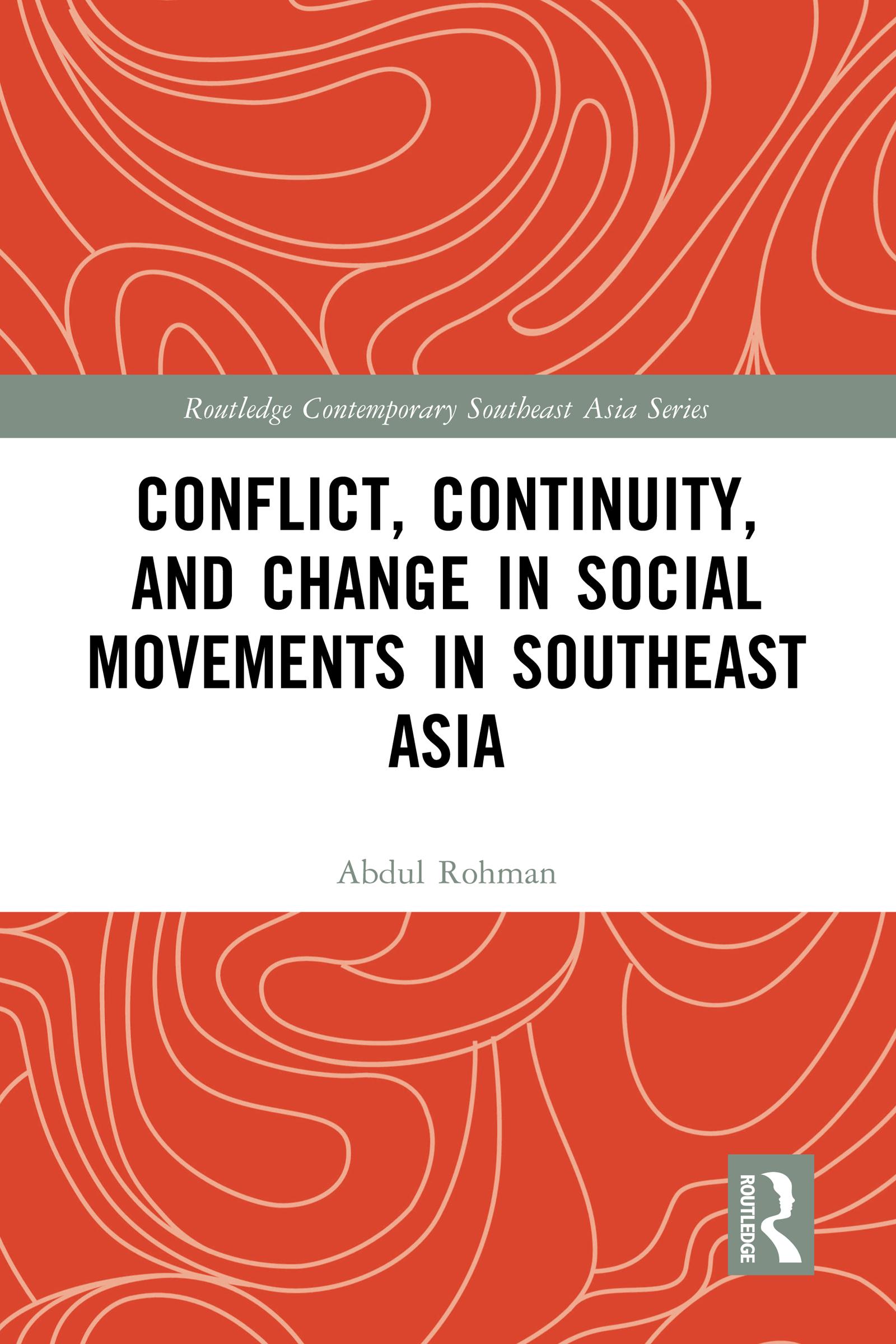
This book demonstrates how preserving ideology and relationships with other activists affords social movements to persist over time amid limited resources and political opportunities in Southeast Asia.
Examining two peace movements in Indonesia – the largest democratic country in Southeast Asia – to illuminate discontinuity, continuity, and change in social movements, the author uses a cultural approach to understanding why social movements persist. He argues that the activists’ memory, relationship with others, collective identity, and emotion are reasons for social movements to ascend and peak. This is a direct response to the argument that the availability of resources and political opportunities is the main ingredient for any social movements to rise. While having different fates, the two movements studied arose in the midst of violence between Christian and Muslim communities in Ambon, Indonesia: The Kopi Badati movement and Filterinfo. The book extends the applicability of the cultural approach in explaining why social movements discontinue, continue, and change over time, without discounting the importance of available resources and political opportunities.
Addressing a gap in the existing social movement studies, the book explains why a social movement disbands and why the other manages to continue and change after achieving its immediate goal. It will be of interest to academics in the fields of Asian studies, (new)-media and communications, civil society, and international development.
Płać wygodnie kartą, Klarną, Apple Pay lub Google Pay. Nie jesteś zadowolony? Zawsze masz 14-dniową gwarancję zwrotu pieniędzy. Więcej przeczytasz w naszych warunkach. Masz pytania? Napisz do nas na hello@memmo.org.
Memmo ułatwia naukę – gdziekolwiek jesteś na świecie. U nas znajdziesz podręczniki i sprytne narzędzia do nauki w jednym miejscu: streszczenia, quizy, podcasty i fiszki. A do tego Ted, Twój kumpel do nauki, który odpowie na wszystko, co Cię nurtuje. Ponad 50 000 studentów już tu się uczy – stworzone, byś uczył się szybciej i mniej stresował.