
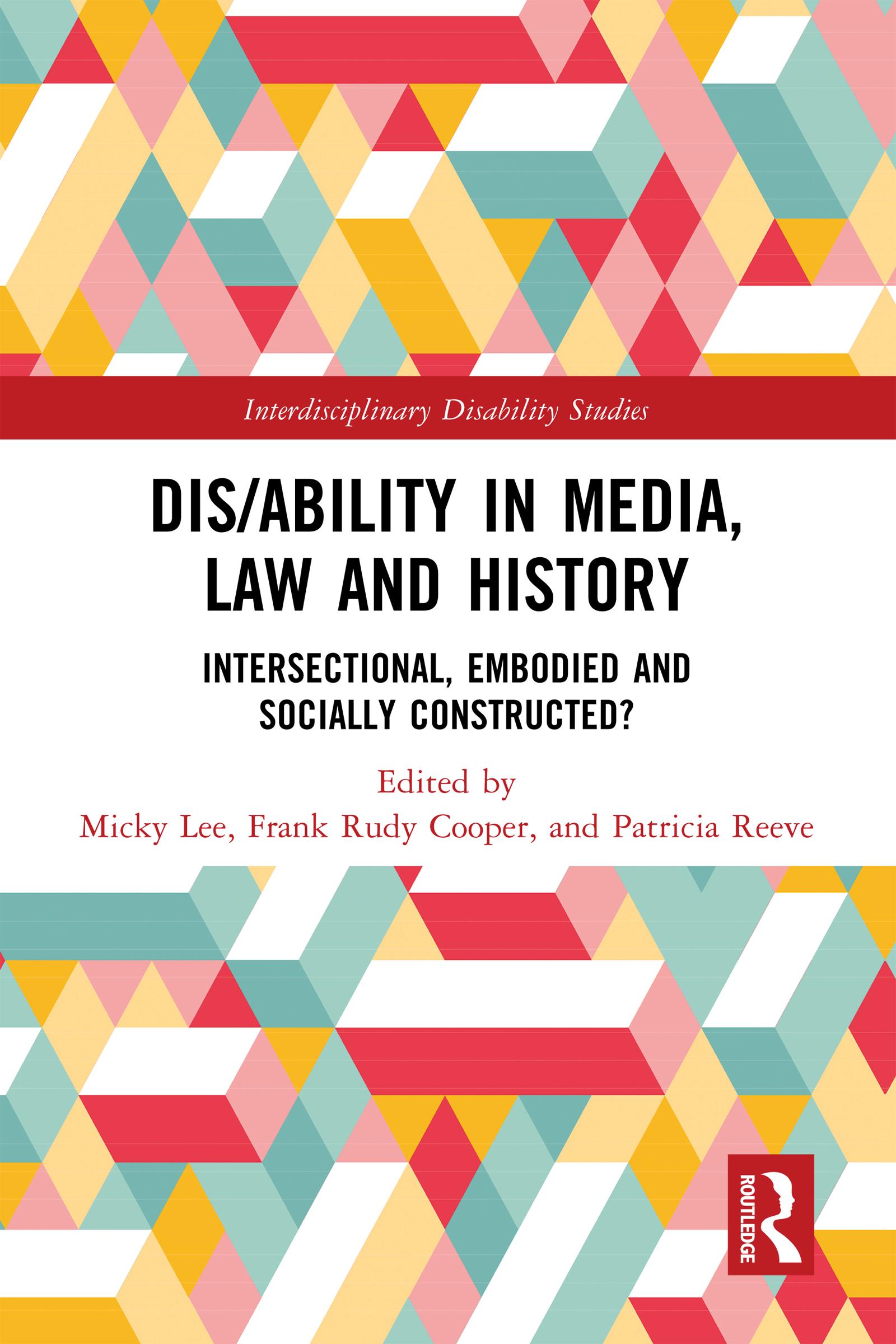
This book explores how being "disabled" originates in the physical world, social representations and rules, and historical power relations—the interplay of which render bodies "normal" or not.
Do parking signs that represent people in wheelchairs as self-propelling influence how we view dis/ability? How do wheelchair users understand their own bodies and an environment not built for them? By asking questions like these the authors reveal how normalization has informed people’s experiences of their bodies and their fight for substantive equality. Understanding these processes requires acknowledging the tension between social construction and embodiment as well as centering the intersection of dis/abilities with other identities, such as race, class, gender, sex orientation, citizen status, and so on.
Scholars and researchers will find that this book provides new avenues for thinking about dis/ability. A wider audience will find it accessible and informative.
Płać wygodnie kartą, Klarną, Apple Pay lub Google Pay. Nie jesteś zadowolony? Zawsze masz 14-dniową gwarancję zwrotu pieniędzy. Więcej przeczytasz w naszych warunkach. Masz pytania? Napisz do nas na hello@memmo.org.
Memmo ułatwia naukę – gdziekolwiek jesteś na świecie. U nas znajdziesz podręczniki i sprytne narzędzia do nauki w jednym miejscu: streszczenia, quizy, podcasty i fiszki. A do tego Ted, Twój kumpel do nauki, który odpowie na wszystko, co Cię nurtuje. Ponad 50 000 studentów już tu się uczy – stworzone, byś uczył się szybciej i mniej stresował.