
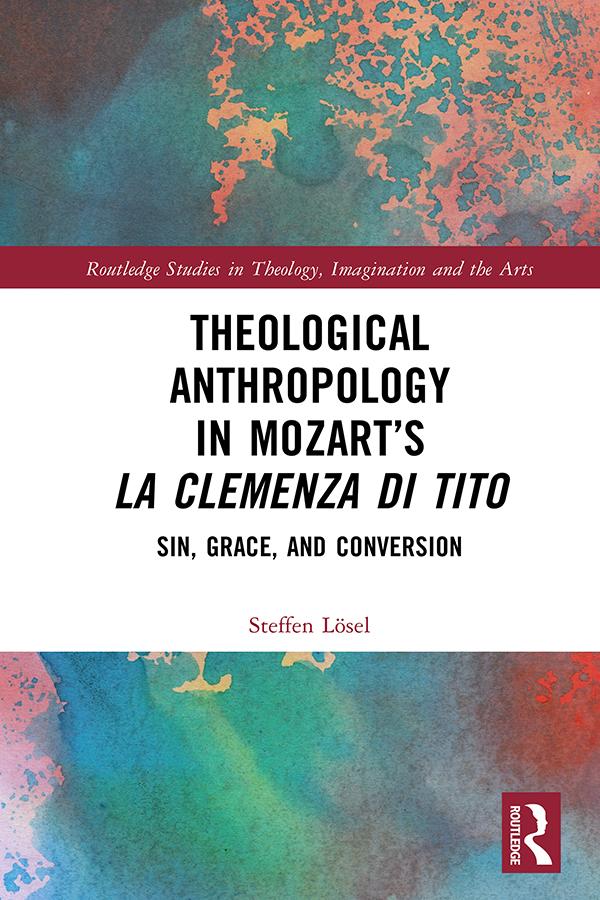
This book asks what theological messages theologically educated Catholics in late-eighteenth-century Prague might have perceived in Mozart’s late opera seria La clemenza di Tito. The book’s thesis is two-fold: first, that Catholics might have heard the opera’s advocacy of enlightened absolutism as a celebration of a distinctly Catholic understanding of political governance; and second, that they might have found in the opera a metaphor for the relationship between a gracious God and humanity caught up in sin, expressed as sexual concupiscence, pride, and lust for power. The book develops its interpretation of the opera through narrative character analyses of the main protagonists, an examination of their dramatic development, and by paying attention to the biblical and theological associations they may have evoked in a Catholic audience. The book is geared towards academic readers interested in opera, theologians, historians, and those who work at the intersection of theology and the arts. It contributes to a better understanding of the theological implications of Mozart’s operatic work.
Płać wygodnie kartą, Klarną, Apple Pay lub Google Pay. Nie jesteś zadowolony? Zawsze masz 14-dniową gwarancję zwrotu pieniędzy. Więcej przeczytasz w naszych warunkach. Masz pytania? Napisz do nas na hello@memmo.org.
Memmo ułatwia naukę – gdziekolwiek jesteś na świecie. U nas znajdziesz podręczniki i sprytne narzędzia do nauki w jednym miejscu: streszczenia, quizy, podcasty i fiszki. A do tego Ted, Twój kumpel do nauki, który odpowie na wszystko, co Cię nurtuje. Ponad 50 000 studentów już tu się uczy – stworzone, byś uczył się szybciej i mniej stresował.