
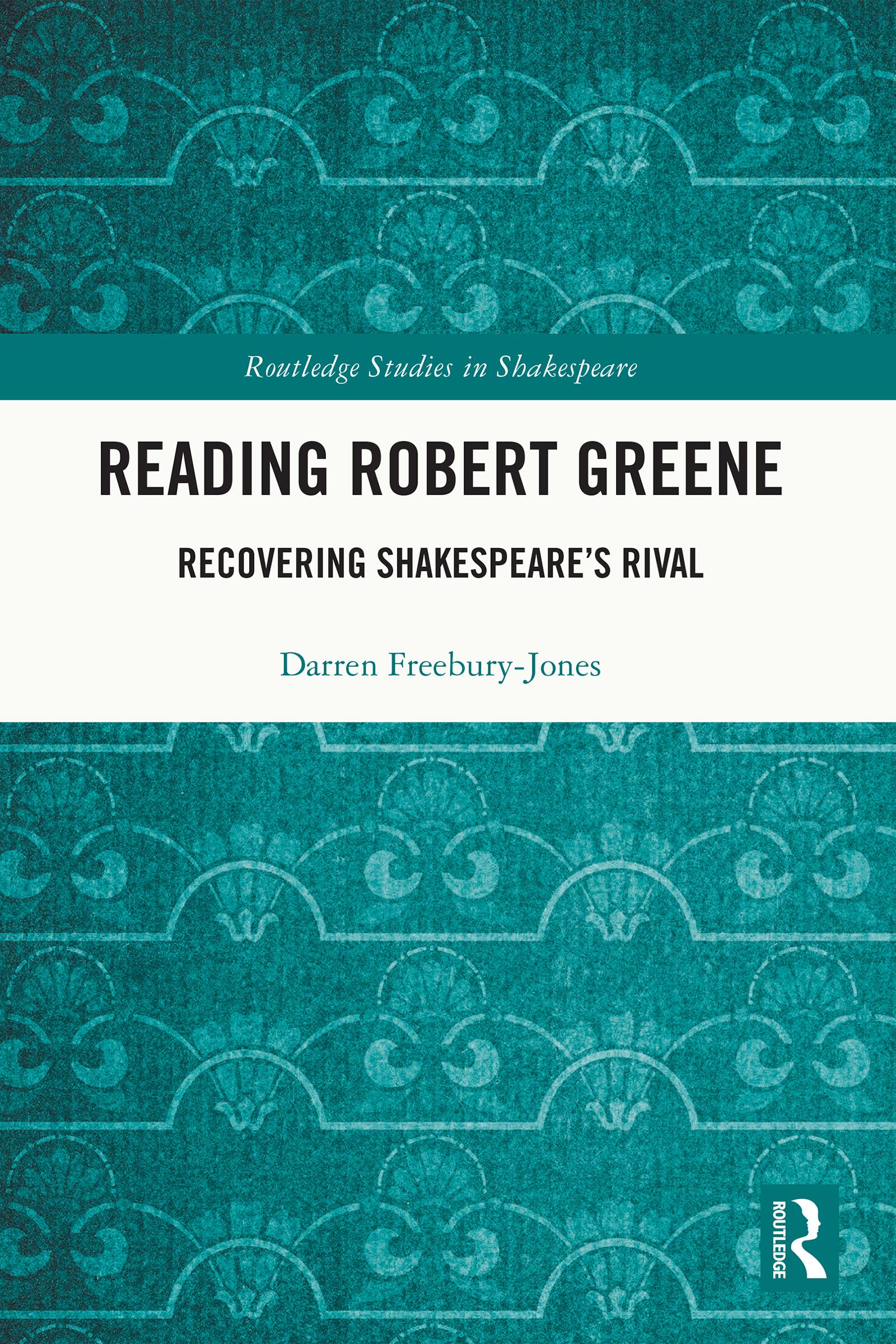
Robert Greene holds a significant place in our understanding of Elizabethan literature. This book offers the most rigorous attempt yet undertaken to determine the scope of the playwright’s canon through analyses of Greene’s verse style, vocabulary, rhyming habits, and the dramatist’s phraseology in his attested plays and in comparison to four plays that have long been on the margins of Greene’s corpus: Locrine, Selimus, George a Greene, and A Knack to Know a Knave. The book defines the ranges for Greene’s stylistic habits for the very first time and proceeds to identify parallels of thought, language, and overall dramaturgy that reveal a single author’s creative consciousness. This volume also casts light on Greene as a more collaborative dramatist than has hitherto been acknowledged. Through emphasizing the immediate surroundings in which Greene was writing – the flourishing of popular theatres in two compact areas of London, in which each theatre company and their dra-matists kept a close eye on what their competitors were producing – Greene emerges as an influential playwright, whose restored oeuvre enables us to establish new ways in which his dramatic methods impacted other writers of the period, including Shakespeare.
Płać wygodnie kartą, Klarną, Apple Pay lub Google Pay. Nie jesteś zadowolony? Zawsze masz 14-dniową gwarancję zwrotu pieniędzy. Więcej przeczytasz w naszych warunkach. Masz pytania? Napisz do nas na hello@memmo.org.
Memmo ułatwia naukę – gdziekolwiek jesteś na świecie. U nas znajdziesz podręczniki i sprytne narzędzia do nauki w jednym miejscu: streszczenia, quizy, podcasty i fiszki. A do tego Ted, Twój kumpel do nauki, który odpowie na wszystko, co Cię nurtuje. Ponad 50 000 studentów już tu się uczy – stworzone, byś uczył się szybciej i mniej stresował.