
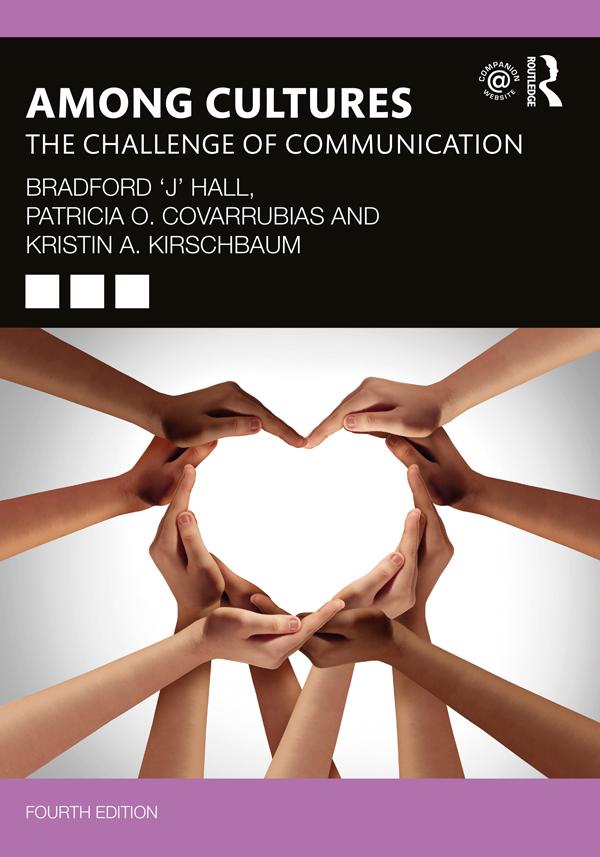
Through its unique approach of using narratives and stories to convey theories and concepts, this text, now in its fourth edition, gives students a foundational knowledge in intercultural communication that is imperative for understanding and navigating our increasingly complex human interactions.
This edition continues with an interpretive approach to intercultural communication that is dedicated to providing resources to understand and explain how our own and other cultural systems are reasonable and valuable. New to this edition are increased explorations of immigration, intersectionality, and privilege. For greater flexibility, it introduces a series of mini chapters on topics such as globalization (including discussion of the impact of new media and popular culture), education, and the role of culture in family communication, health communication, environmental communication and multicultural leadership. Each chapter again closes with a summary, reflection questions, and suggestions for activities available for students’ own review or as potential class exercises.
The book is an ideal companion for introductory or upper-level undergraduate courses in intercultural communication.
Online resources include self-tests, enrichment activities, reflection questions, recommendations for addition readings for students, lecture slides, chapter objectives, supplemental readings, sample discussion and test questions, and additional classroom activities for instructors. Please visit www.routledge.com/cw/hall.
Płać wygodnie kartą, Klarną, Apple Pay lub Google Pay. Nie jesteś zadowolony? Zawsze masz 14-dniową gwarancję zwrotu pieniędzy. Więcej przeczytasz w naszych warunkach. Masz pytania? Napisz do nas na hello@memmo.org.
Memmo ułatwia naukę – gdziekolwiek jesteś na świecie. U nas znajdziesz podręczniki i sprytne narzędzia do nauki w jednym miejscu: streszczenia, quizy, podcasty i fiszki. A do tego Ted, Twój kumpel do nauki, który odpowie na wszystko, co Cię nurtuje. Ponad 50 000 studentów już tu się uczy – stworzone, byś uczył się szybciej i mniej stresował.