
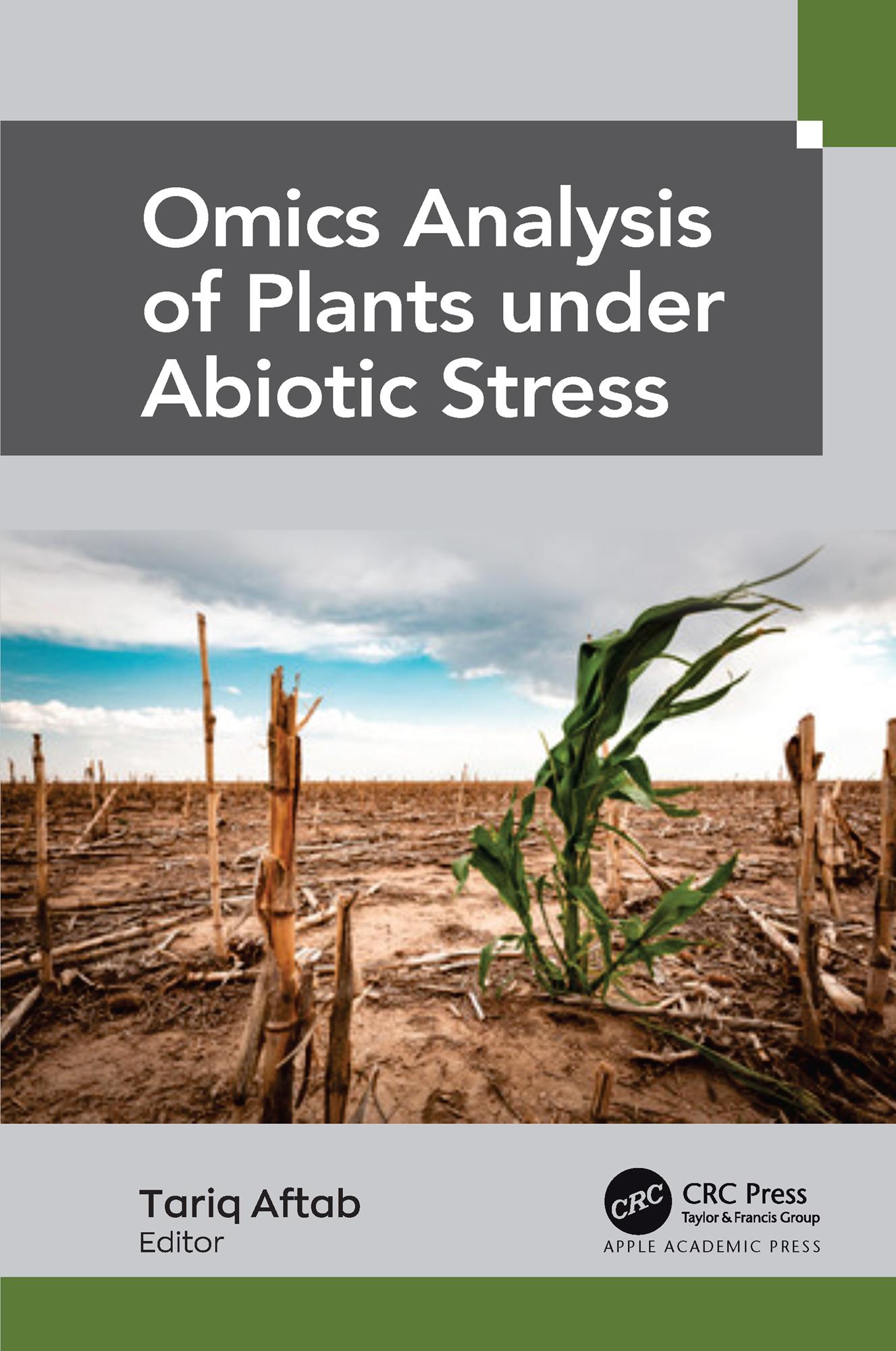
This new volume highlights the various emerging techniques and molecular applications that are currently being used in plant abiotic stress physiology. It provides a thorough overview of omics approaches in response to stressors such as low water accessibility (drought), excess water (flooding/waterlogging), extremes of temperatures (cold, chill, frost, and heat), salinity, mineral deficiency, and heavy metal toxicity-many of which are the result of climate change. The book, with chapters contributed by specialists in the field, emphasizes the broad variety of themes using an omics analysis of plants under abiotic stress factors at the cellular and molecular levels.
The chapter authors explore a variety of approaches to address plant abiotic stress, including proteomic approaches, genome editing applications, and system biology approaches. The volume takes into consideration, from omics perspective, how to use the plant-microbe interaction to make plants more resilient to changing climates. It also looks at the role of ionomics (the study of complete mineral nutrient and trace elemental composition of a plant species) and osmoprotectants to address multiple abiotic stress tolerance in plants.
Omics Analysis of Plants under Abiotic Stress provides the fundamental information for all who are working in or have interest in this specific field. Unquestionably, this volume will be beneficial for common use of research students, teachers, and persons who have interest in plant abiotic stress physiology.
Płać wygodnie kartą, Klarną, Apple Pay lub Google Pay. Nie jesteś zadowolony? Zawsze masz 14-dniową gwarancję zwrotu pieniędzy. Więcej przeczytasz w naszych warunkach. Masz pytania? Napisz do nas na hello@memmo.org.
Memmo ułatwia naukę – gdziekolwiek jesteś na świecie. U nas znajdziesz podręczniki i sprytne narzędzia do nauki w jednym miejscu: streszczenia, quizy, podcasty i fiszki. A do tego Ted, Twój kumpel do nauki, który odpowie na wszystko, co Cię nurtuje. Ponad 50 000 studentów już tu się uczy – stworzone, byś uczył się szybciej i mniej stresował.