
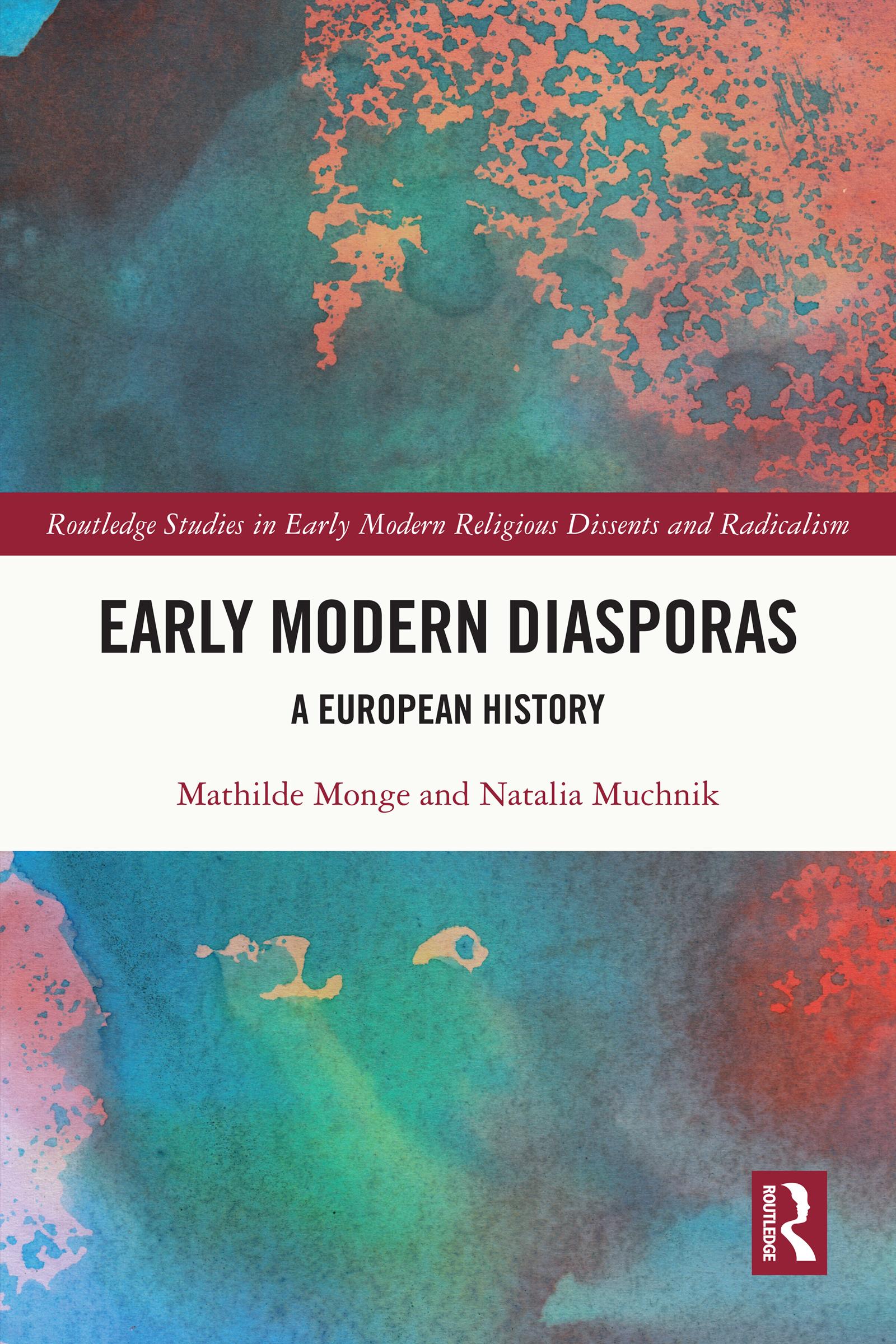
This book is the first encompassing history of diasporas in Europe between 1500 and 1800.
Huguenots, Sephardim, British Catholics, Mennonites, Moriscos, Moravian Brethren, Quakers, Ashkenazim… what do these populations who roamed Europe in the sixteenth to eighteenth centuries have in common? Despite an extensive historiography of diasporas, publications have tended to focus on the history of a single diaspora. Each of these groups was part of a community whose connections crossed political and cultural as well as religious borders. Each built dynamic networks through which information, people, and goods circulated. United by a memory of persecution, by an attachment to a homeland—be it real or dreamed—and by economic ties, those groups were nevertheless very diverse. As minorities, they maintained complex relationships with authorities, local inhabitants, and other diasporic populations. This book investigates the tensions they experienced. Between unity and heterogeneity, between mobility and locality, between marginalisation and assimilation, it attempts to reconcile global- and micro-historical approaches.
The authors provide a comparative view as well as elaborate case studies for scholars, students, and the public who are interested in learning about how the social sciences and history contribute to our understanding of integration, migrations, and religious coexistence.
Płać wygodnie kartą, Klarną, Apple Pay lub Google Pay. Nie jesteś zadowolony? Zawsze masz 14-dniową gwarancję zwrotu pieniędzy. Więcej przeczytasz w naszych warunkach. Masz pytania? Napisz do nas na hello@memmo.org.
Memmo ułatwia naukę – gdziekolwiek jesteś na świecie. U nas znajdziesz podręczniki i sprytne narzędzia do nauki w jednym miejscu: streszczenia, quizy, podcasty i fiszki. A do tego Ted, Twój kumpel do nauki, który odpowie na wszystko, co Cię nurtuje. Ponad 50 000 studentów już tu się uczy – stworzone, byś uczył się szybciej i mniej stresował.