
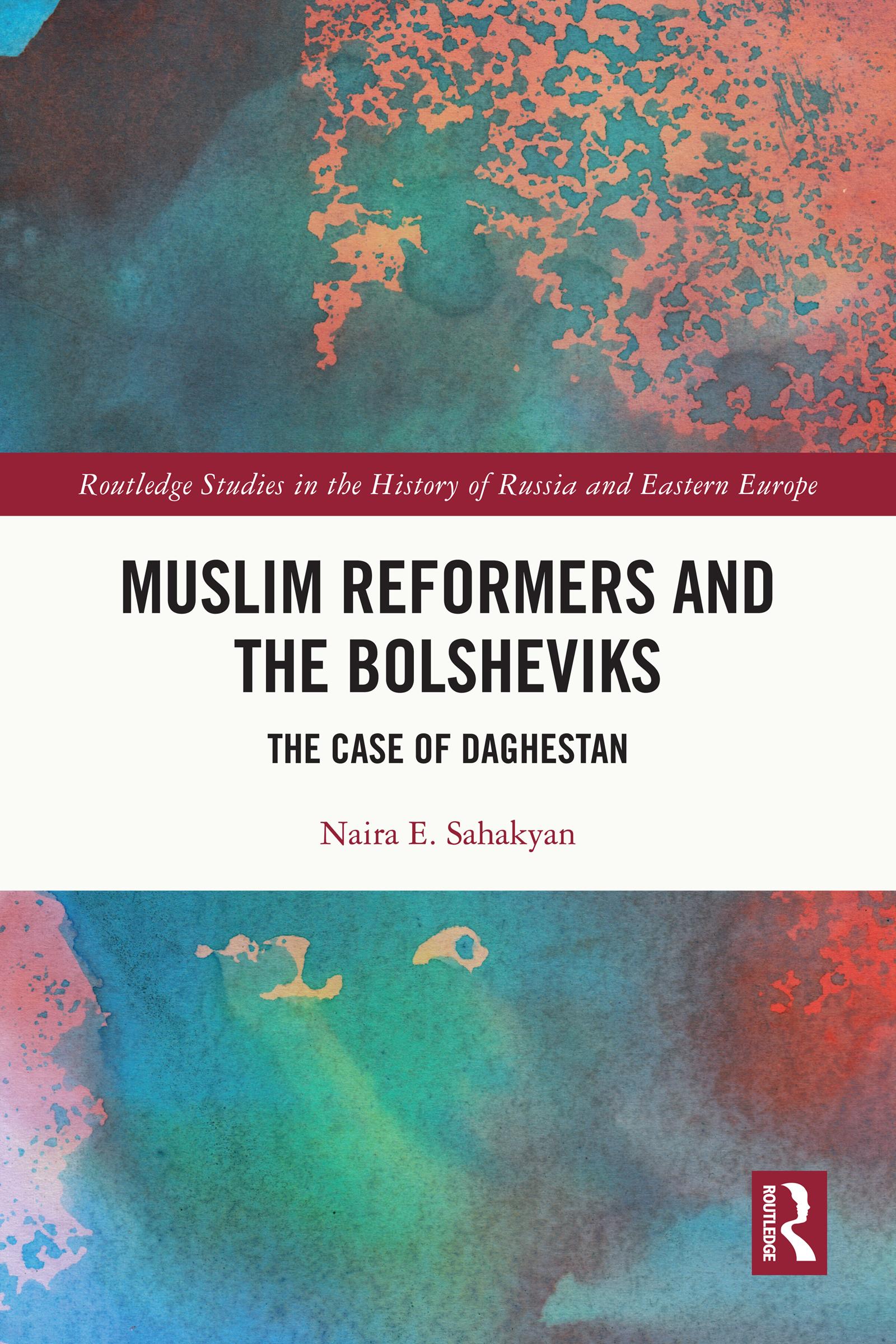
This book explores how the Muslim scholars of Daghestan, an important Muslim region within Russia, experienced the 1917 Russian Revolution and how they attempted to gain religious and political authority in the new post-imperial environment. Covering the period between the February Revolution and the first massive repressions of the scholars of Islam, it provides new insights into the complexities of the relations between Muslim reformers and Bolsheviks. It challenges the prevailing view in Western scholarship that the relationship was antagonistic, revealing that relations were pragmatic rather than ideological. It argues that there was cooperation on issues of modern education and language policy, and alliances against assumed common threats, such as the British, Wahhābis and local Ṣūfīs, along with disagreements related to the Bolsheviks’ atheism and their concept of class struggle. Overall, it demonstrates that the Islamic reformist discourse in Daghestan, although influenced by the wider Islamic debate at the turn of the twentieth century, was an integral part of Soviet modernity.
Płać wygodnie kartą, Klarną, Apple Pay lub Google Pay. Nie jesteś zadowolony? Zawsze masz 14-dniową gwarancję zwrotu pieniędzy. Więcej przeczytasz w naszych warunkach. Masz pytania? Napisz do nas na hello@memmo.org.
Memmo ułatwia naukę – gdziekolwiek jesteś na świecie. U nas znajdziesz podręczniki i sprytne narzędzia do nauki w jednym miejscu: streszczenia, quizy, podcasty i fiszki. A do tego Ted, Twój kumpel do nauki, który odpowie na wszystko, co Cię nurtuje. Ponad 50 000 studentów już tu się uczy – stworzone, byś uczył się szybciej i mniej stresował.