
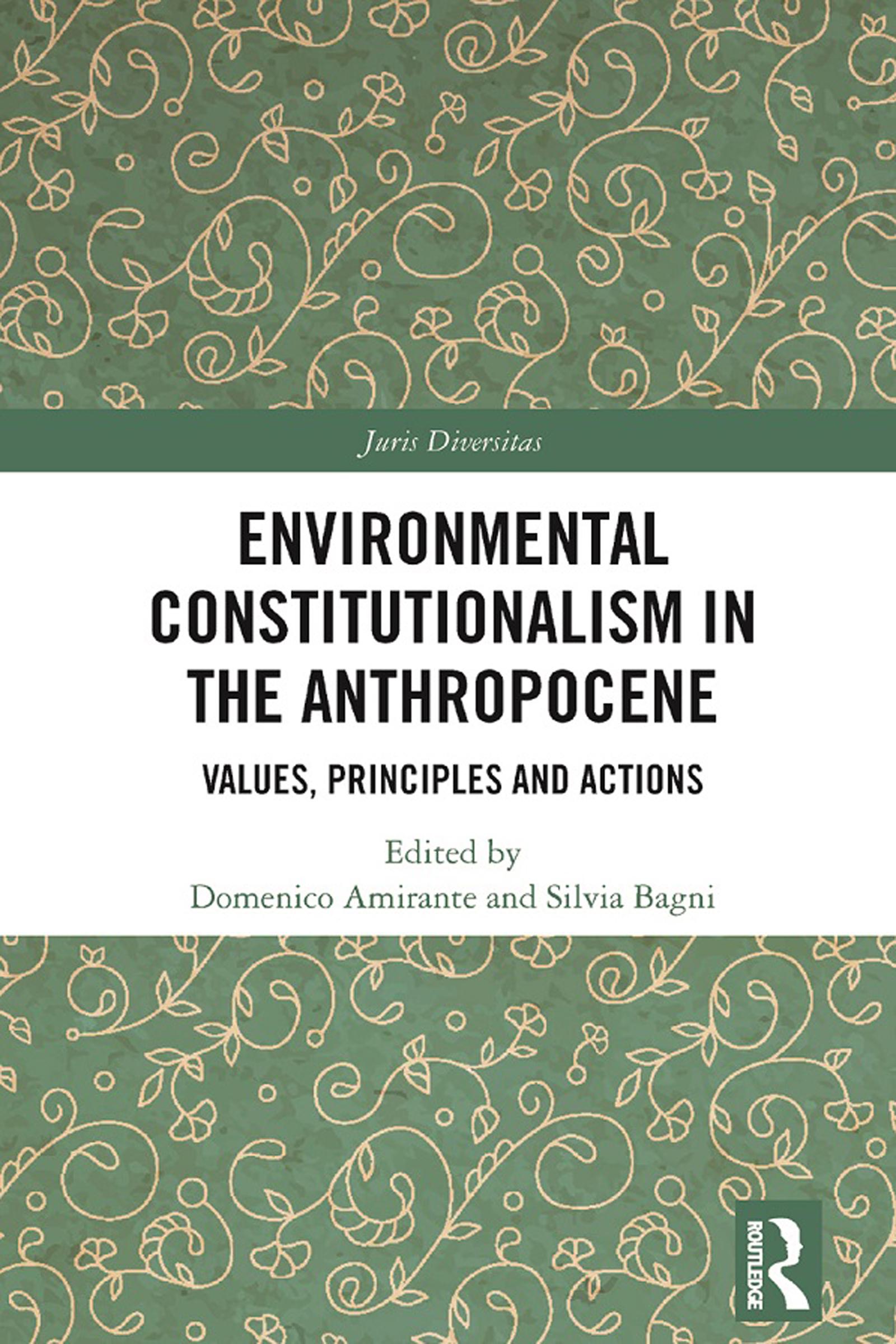
This book examines the relationship between man and nature through different cultural approaches to encourage new environmental legislation as a means of fostering acceptance at a local level.
In 2019, the International Union of Geological Sciences (IUGS) recognised that we have entered a new era, the Anthropocene, specifically characterised by the impact of one species, mankind, on environmental change. The Anthropocene is penetrating the discourse of both hard sciences and humanities and social sciences, by posing new epistemological as well as practical challenges to many disciplines. Legal sciences have so far been at the margins of this intellectual renewal, with few contributions on the central role that the notion of Anthropocene could play in forging a more effective and just environmental law. By applying a multidisciplinary approach and adopting a Law as Culture paradigm to the study of law, this book explores new paths of investigation and possible solutions to be applied. New perspectives for the constitutional framing of environmental policies, rights, and alternative methods for bottom-up participatory law-making and conflict resolution are investigated, showing that environmental justice is not just an option, but an objective within reach.
The book will be essential reading for students, academics, and policymakers in the areas of law, environmental studies and anthropology.
Płać wygodnie kartą, Klarną, Apple Pay lub Google Pay. Nie jesteś zadowolony? Zawsze masz 14-dniową gwarancję zwrotu pieniędzy. Więcej przeczytasz w naszych warunkach. Masz pytania? Napisz do nas na hello@memmo.org.
Memmo ułatwia naukę – gdziekolwiek jesteś na świecie. U nas znajdziesz podręczniki i sprytne narzędzia do nauki w jednym miejscu: streszczenia, quizy, podcasty i fiszki. A do tego Ted, Twój kumpel do nauki, który odpowie na wszystko, co Cię nurtuje. Ponad 50 000 studentów już tu się uczy – stworzone, byś uczył się szybciej i mniej stresował.