
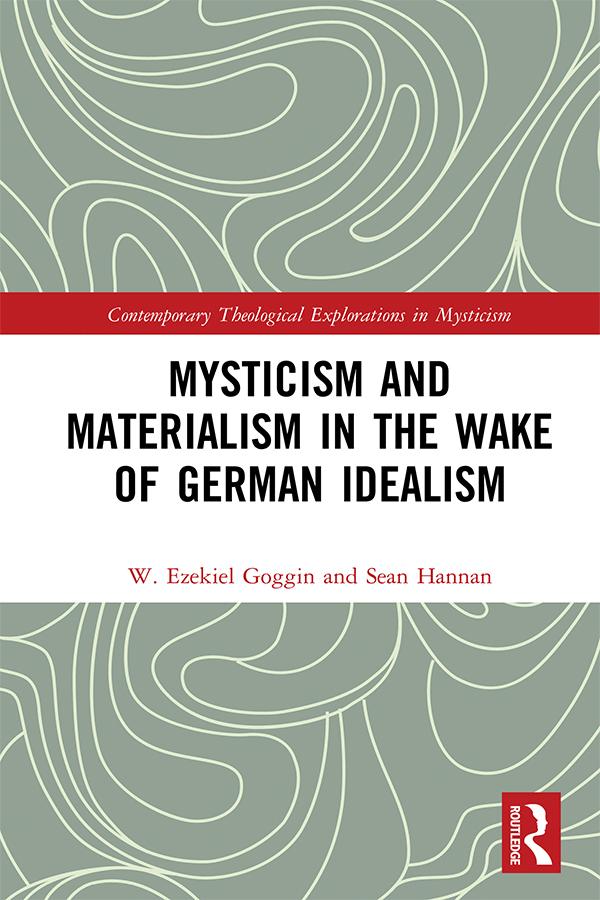
This book argues that the rediscovery of mystical theology in nineteenth-century Germany not only helped inspire idealism and romanticism, but also planted the seeds of their overcoming by way of critical materialism. Thanks in part to the Neoplatonic turn in the works of J. G. Fichte, as well as the enthusiasm of mining engineer Franz X. von Baader, mystical themes gained a critical currency, and mystical texts returned to circulation. This reawakening of the mystical tradition influenced romantic and idealist thinkers such as Novalis and Hegel, and also shaped later critical interventions by Marx, Benjamin, and Bataille. Rather than rehearsing well-known connections to Swedenborg or Böhme, this study goes back further to the works of Meister Eckhart, Nicholas of Cusa, Catherine of Siena, and Angela of Foligno. The book offers a new perspective on the reception of mystical self-interrogation in nineteenth-century German thought and will appeal to scholars of philosophy, history, theology, and religious studies.
Płać wygodnie kartą, Klarną, Apple Pay lub Google Pay. Nie jesteś zadowolony? Zawsze masz 14-dniową gwarancję zwrotu pieniędzy. Więcej przeczytasz w naszych warunkach. Masz pytania? Napisz do nas na hello@memmo.org.
Memmo ułatwia naukę – gdziekolwiek jesteś na świecie. U nas znajdziesz podręczniki i sprytne narzędzia do nauki w jednym miejscu: streszczenia, quizy, podcasty i fiszki. A do tego Ted, Twój kumpel do nauki, który odpowie na wszystko, co Cię nurtuje. Ponad 50 000 studentów już tu się uczy – stworzone, byś uczył się szybciej i mniej stresował.