
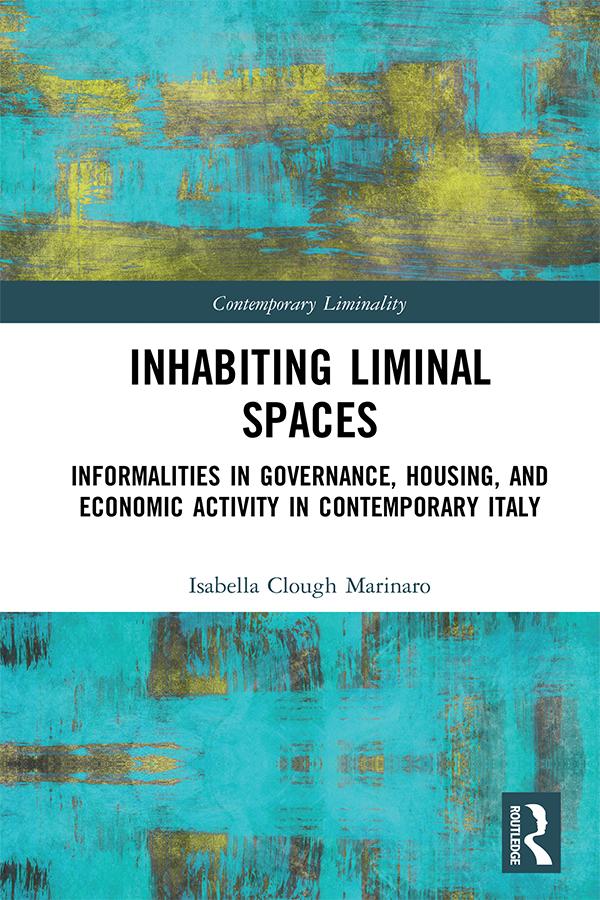
This book draws together debates from two burgeoning fields, liminality and informality studies, to analyze how dynamics of rule-bending take shape in Rome today. Adopting a multiscalar and transdisciplinary approach, it unpacks how gaps and contradictions in institutional rulemaking and application force many residents into protracted liminal states marked by intense vulnerability. By merging a political economy lens with ethnographic research in informal housing, illegal moneylending, unauthorized street-vending and waste collection, the author shows that informalities are not marginal or anomalous conditions, but an integral element of the city’s governance logics. Multiple actors together construct the local cultural norms, conventions and moral economies through which rule-negotiation occurs. However, these practices are ultimately unable to reconfigure historically rooted power dynamics and hierarchies. In fact, they often aggravate weak urbanites’ difficulties in accessing rights and services. A study that challenges assumptions that informalities are predominantly features of developing economies or limited to specific groups and sectors, this volume’s critical approach and innovative methodology will appeal to scholars of sociology and anthropology interested in social theory, urban studies and liminality.
Płać wygodnie kartą, Klarną, Apple Pay lub Google Pay. Nie jesteś zadowolony? Zawsze masz 14-dniową gwarancję zwrotu pieniędzy. Więcej przeczytasz w naszych warunkach. Masz pytania? Napisz do nas na hello@memmo.org.
Memmo ułatwia naukę – gdziekolwiek jesteś na świecie. U nas znajdziesz podręczniki i sprytne narzędzia do nauki w jednym miejscu: streszczenia, quizy, podcasty i fiszki. A do tego Ted, Twój kumpel do nauki, który odpowie na wszystko, co Cię nurtuje. Ponad 50 000 studentów już tu się uczy – stworzone, byś uczył się szybciej i mniej stresował.