
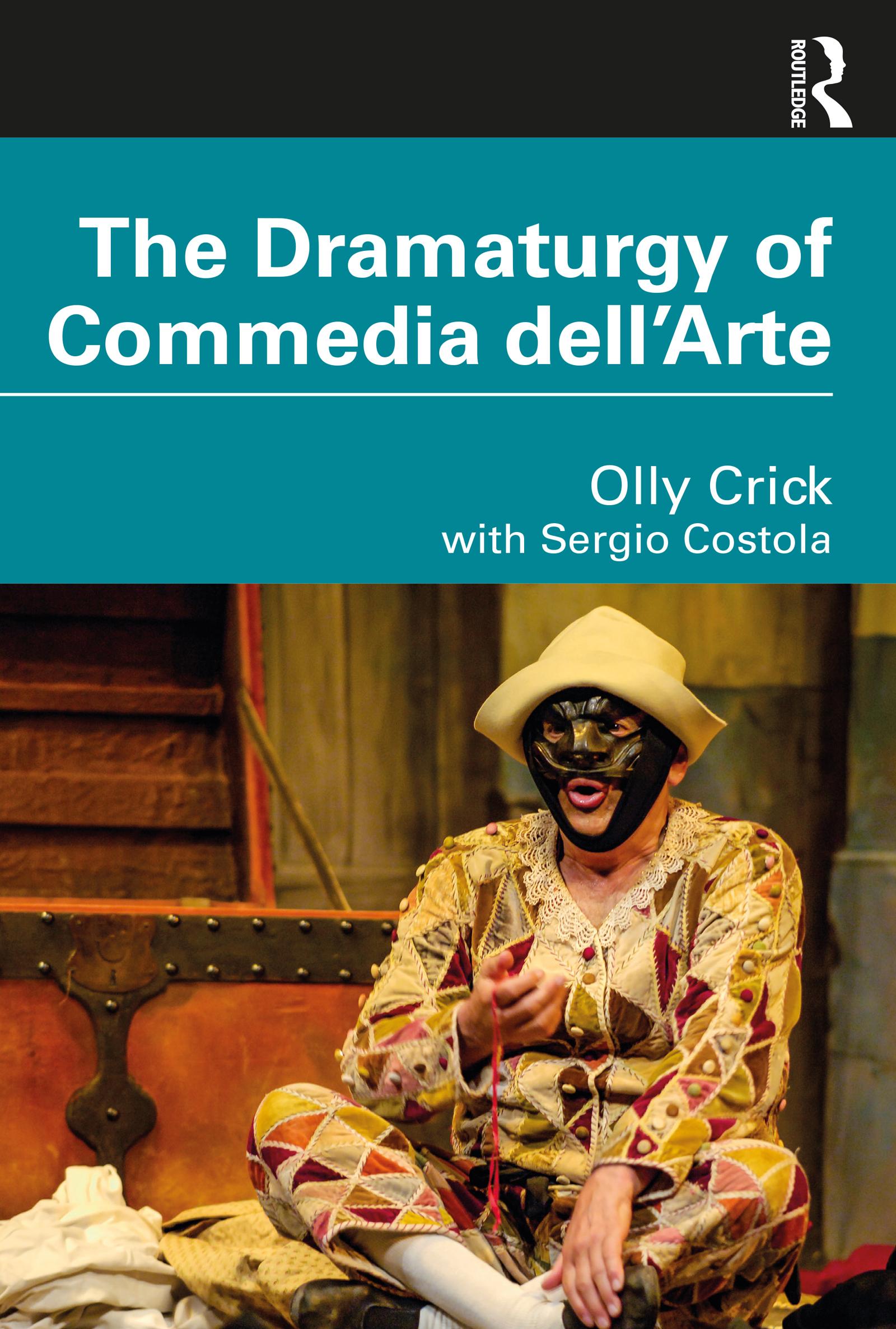
This book examines Commedia dell'Arte as a performative genre, and one that should be analysed through the framework of dramaturgy and dramaturgical practice.
This volume examines the way Commedia has been explored in the twentieth and twenty-first centuries, and details its reinventors’ dramaturgic approaches, both focusing in on specific examples such as Jacques Lecoq, Dario Fo and Antonio Fava, and also suggesting how modern discoveries may aid the study of historical performance practice. It also discusses how audiences read and receive masks; the relationship between the different masked and unmasked roles; the range of performance activities that come under the umbrella term ‘improvisation’; the performative construction of a role performed ‘live’ from a scenario; the role of language and embodied locality in performance; and the performative relationship between performative commedia and literary tragicomedy.
Its focus is dramaturgy, and so it may be read both as a text describing various theatrical practices from 1946 onwards and as a way of creating one’s own contemporary Commedia practice. It is an important read for any student or scholar of Commedia dell'Arte and theatre historians grappling with the status of this unique and influential performance form.
Płać wygodnie kartą, Klarną, Apple Pay lub Google Pay. Nie jesteś zadowolony? Zawsze masz 14-dniową gwarancję zwrotu pieniędzy. Więcej przeczytasz w naszych warunkach. Masz pytania? Napisz do nas na hello@memmo.org.
Memmo ułatwia naukę – gdziekolwiek jesteś na świecie. U nas znajdziesz podręczniki i sprytne narzędzia do nauki w jednym miejscu: streszczenia, quizy, podcasty i fiszki. A do tego Ted, Twój kumpel do nauki, który odpowie na wszystko, co Cię nurtuje. Ponad 50 000 studentów już tu się uczy – stworzone, byś uczył się szybciej i mniej stresował.