
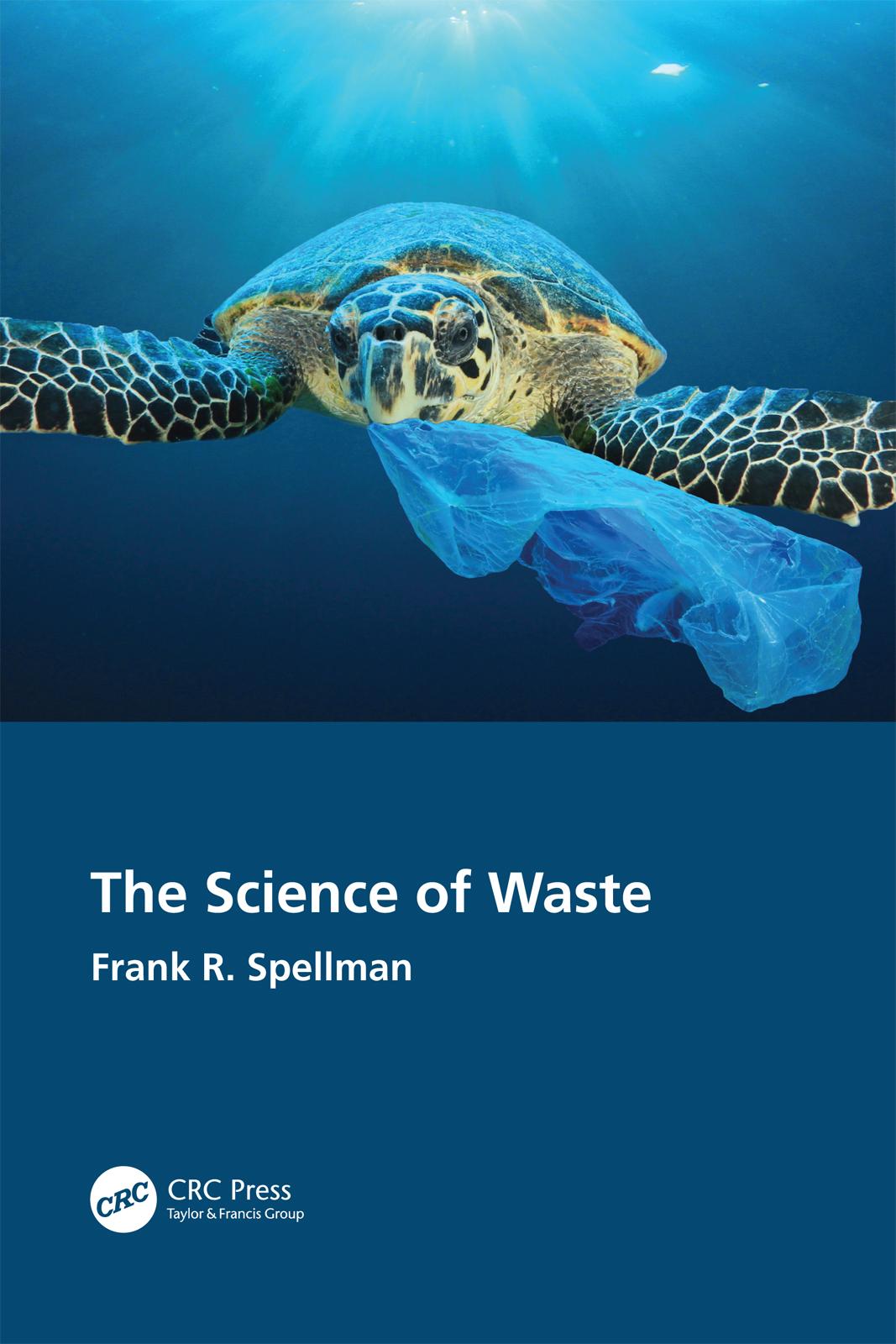
Waste can be defined as something no longer wanted, something destroyed, broken, or damaged beyond repair and therefore disposed of or simply thrown away because it is no longer functional, needed, or wanted. However, the focus of this book turns to the question: is waste always really a waste? Stated differently, waste is not a waste if it can be recycled in some form or the other. This book examines all types of waste and their impacts, and discusses the potential ways to mitigate them through recycling and reuse strategies.
Features:
- Addresses agricultural, biomedical, chemical, construction, hazardous, human, municipal solid waste, and more.
- Explains the fundamentals for waste recycling and reuse.
- Examines the current state of ocean pollution as well as the latest international regulations.
- Covers the life cycles of consumer electronic products, and their related metals and minerals, which are increasingly a major source of "E-Waste"
The Science of Waste is intended to be used by environmental scientists and engineers, public health officials, legal professionals, students, and instructors interested in waste, as well as the management and reuse thereof.
Płać wygodnie kartą, Klarną, Apple Pay lub Google Pay. Nie jesteś zadowolony? Zawsze masz 14-dniową gwarancję zwrotu pieniędzy. Więcej przeczytasz w naszych warunkach. Masz pytania? Napisz do nas na hello@memmo.org.
Memmo ułatwia naukę – gdziekolwiek jesteś na świecie. U nas znajdziesz podręczniki i sprytne narzędzia do nauki w jednym miejscu: streszczenia, quizy, podcasty i fiszki. A do tego Ted, Twój kumpel do nauki, który odpowie na wszystko, co Cię nurtuje. Ponad 50 000 studentów już tu się uczy – stworzone, byś uczył się szybciej i mniej stresował.