
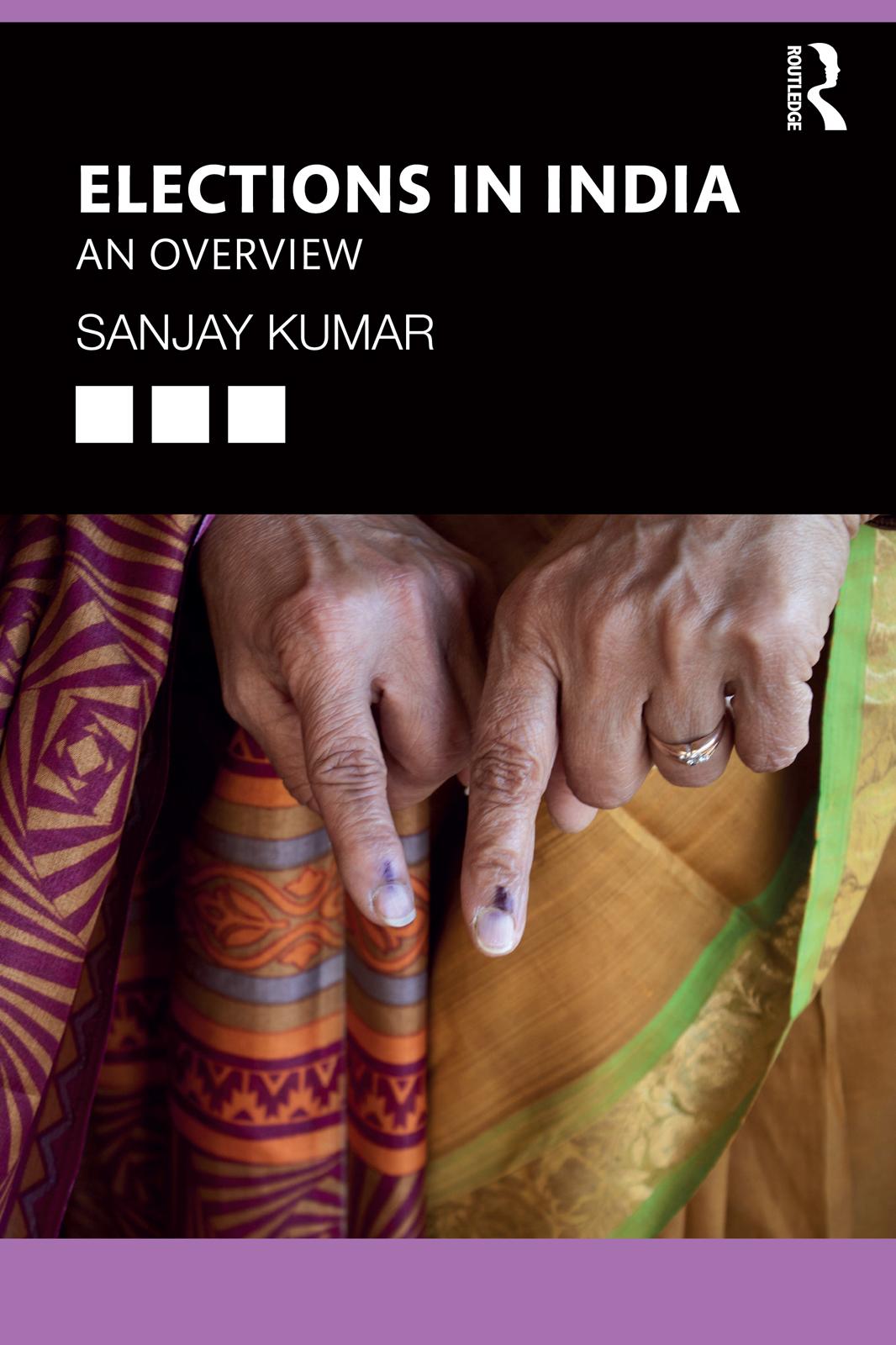
This book looks at the patterns and trends of participation in Indian elections since 1952 – the first elections held in independent India. It engages with debates around the nature of the multi-party electoral politics in India and its impact on the voting behaviour of Indian voters.
The book uses extensive empirical data from the state and national elections to analyze the history and evolution of the country’s electoral systems as well as the challenges and safeguards for conducting fair elections in the world’s largest democracy. The author explores the trends in turnout in regional and national elections and its relationship with electoral outcomes. He analyzes electoral patterns over the last seven decades as well as patterns of participation of marginalized groups, the younger population, and the narrowing gap of women’s electoral participation. The book discusses the role of money, the criminalization of electoral politics, and its influence on Indian elections. It also focuses on the issue of irregular delimitation of electoral constituencies and its implication on political representation.
Topical and comprehensive, this book will be an essential read for scholars and researchers of political studies, political sociology, public administration and governance, and South Asian studies. It will also be useful for journalists and think tanks interested in India’s electoral processes and debates. It could serve as a guidebook as well for those interested in the nitty-gritty of Indian elections.
Płać wygodnie kartą, Klarną, Apple Pay lub Google Pay. Nie jesteś zadowolony? Zawsze masz 14-dniową gwarancję zwrotu pieniędzy. Więcej przeczytasz w naszych warunkach. Masz pytania? Napisz do nas na hello@memmo.org.
Memmo ułatwia naukę – gdziekolwiek jesteś na świecie. U nas znajdziesz podręczniki i sprytne narzędzia do nauki w jednym miejscu: streszczenia, quizy, podcasty i fiszki. A do tego Ted, Twój kumpel do nauki, który odpowie na wszystko, co Cię nurtuje. Ponad 50 000 studentów już tu się uczy – stworzone, byś uczył się szybciej i mniej stresował.