
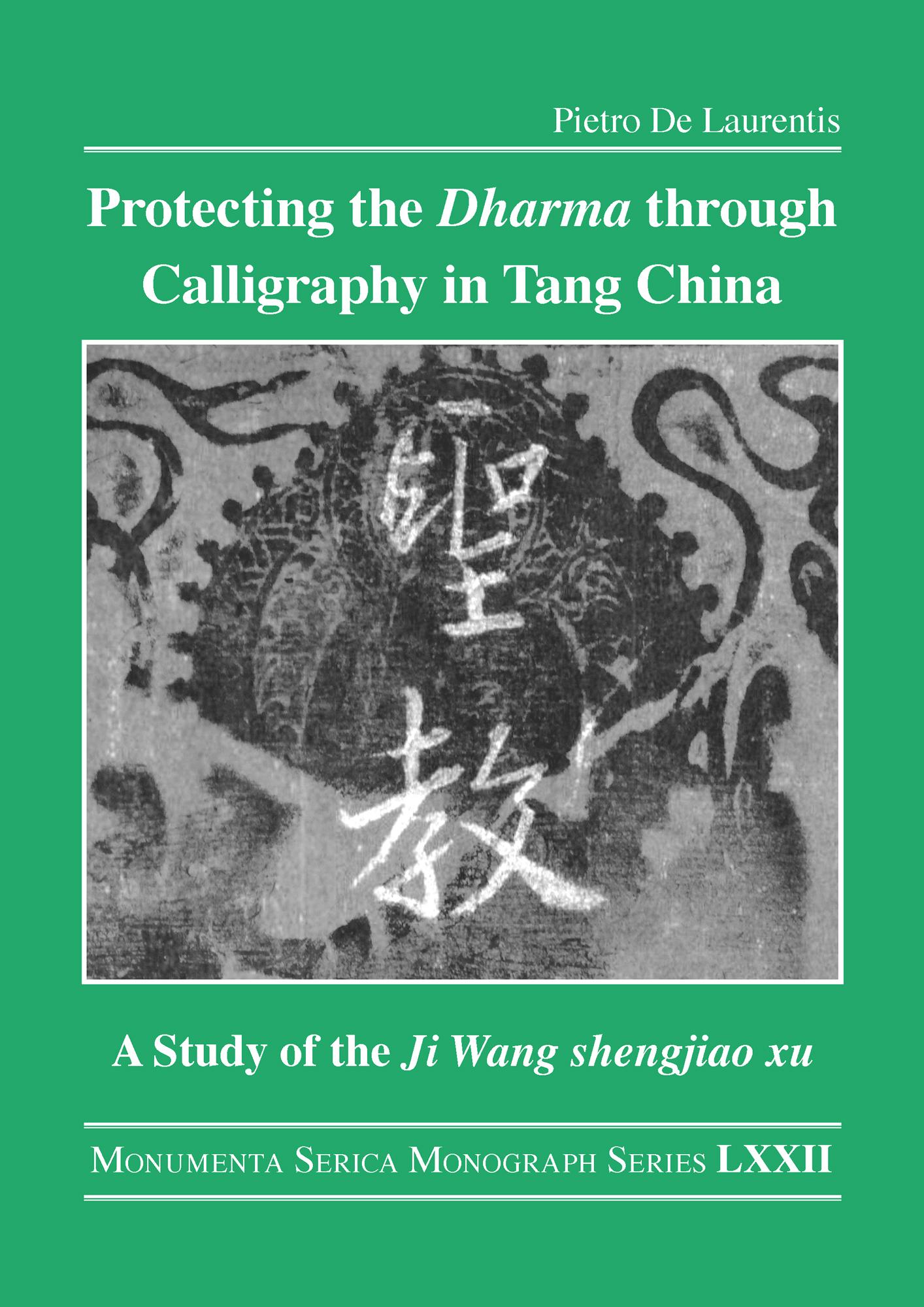
This is a study of the earliest and finest collated inscription in the history of Chinese calligraphy, the Ji Wang shengjiao xu 集王聖教序 (Preface to the Sacred Teaching Scriptures Translated by Xuanzang in Wang Xizhi’s Collated Characters), which was erected on January 1, 673. The stele records the two texts written by the Tang emperors Taizong (599–649) and Gaozong (628–683) in honor of the monk Xuanzang (d. 664) and the Buddhist scripture Xin jing (Heart Sutra), collated in the semi-cursive characters of the great master of Chinese calligraphy, Wang Xizhi (303–361). It is thus a Buddhist inscription that combines Buddhist authority, political power, and artistic charm in one single monument. The present book reconstructs the multifaceted context in which the stele was devised, aiming at highlighting the specific role calligraphy played in the propagation and protection of Buddhism in medieval China.
Płać wygodnie kartą, Klarną, Apple Pay lub Google Pay. Nie jesteś zadowolony? Zawsze masz 14-dniową gwarancję zwrotu pieniędzy. Więcej przeczytasz w naszych warunkach. Masz pytania? Napisz do nas na hello@memmo.org.
Memmo ułatwia naukę – gdziekolwiek jesteś na świecie. U nas znajdziesz podręczniki i sprytne narzędzia do nauki w jednym miejscu: streszczenia, quizy, podcasty i fiszki. A do tego Ted, Twój kumpel do nauki, który odpowie na wszystko, co Cię nurtuje. Ponad 50 000 studentów już tu się uczy – stworzone, byś uczył się szybciej i mniej stresował.