
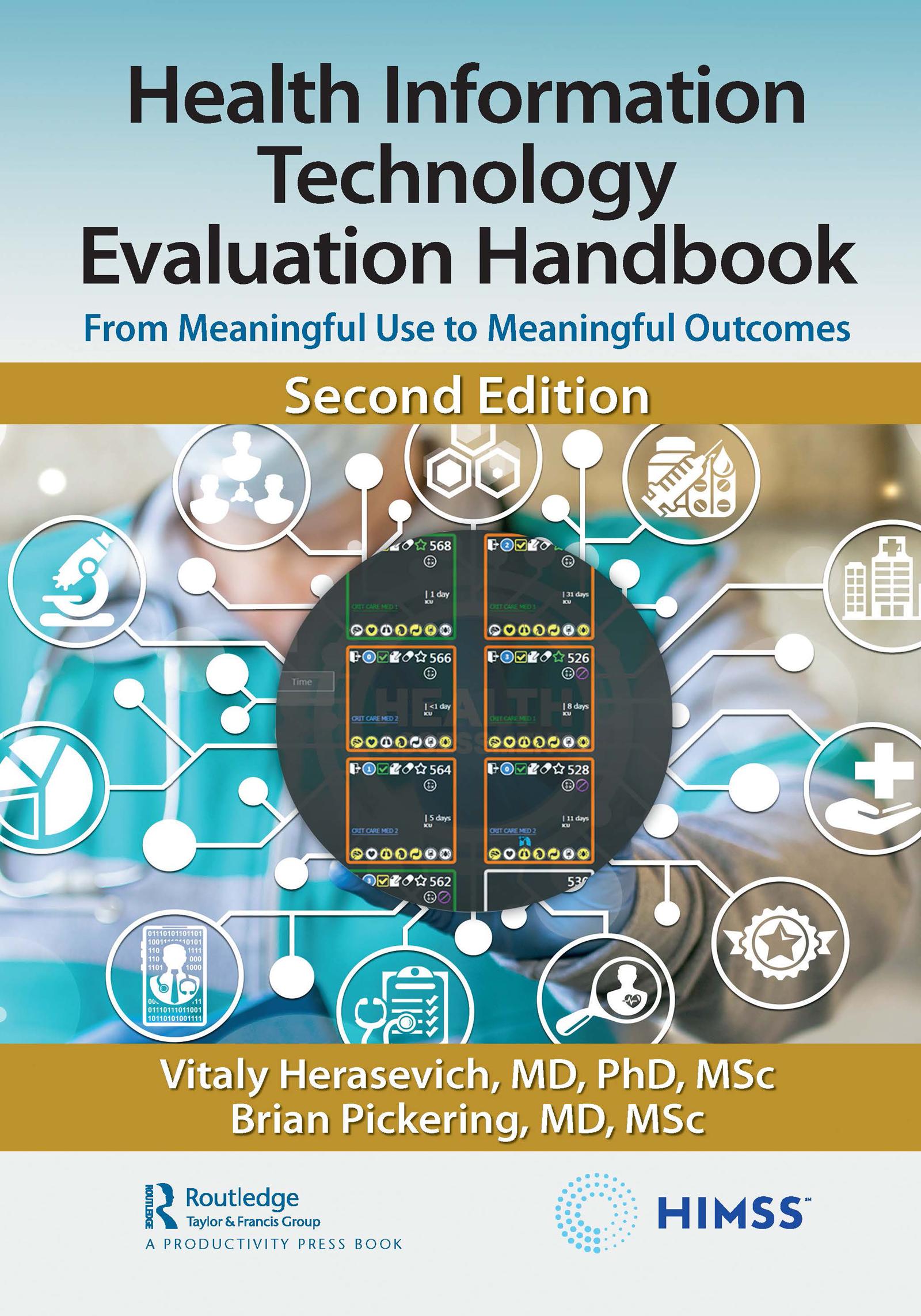
Governments and clinical providers are investing billions of dollars in health information technologies (HIT). This is being done with the expectation that HIT adoption will translate into healthier patients experiencing better care at lower cost. In the initial push to roll out HIT, the reliability of these claims was often not substantiated by systematic evaluation and testing. As the first wave of widespread adoption of HIT comes to an end and the next wave begins, it is more important than ever that stakeholders evaluate the results of their investment, evaluate their success (or failure), and make decisions about future directions.
Structured evaluations of a project’s impact are an essential element of the justification for investment in HIT. A systematic approach to evaluation and testing should allow for comparison between different HIT interventions with the goal of identifying and promoting those which improve clinical care or other outcomes of interest. The question of the day is no longer "why perform evaluations," but "how to perform evaluations."
This updated book provides an easy-to-read reference outlining the basic concepts, theory, and methods required to perform a systematic evaluation of HIT. Chapters cover key domains of HIT evaluation: study structure and design, measurement fundamentals, results analysis, communicating results, guidelines development, and reference standards. Updated case studies and examples are included demonstrating the successes or failures of these investments. The authors also include new initiatives put in place by the government and discuss how they are being adopted and used by health systems.
Płać wygodnie kartą, Klarną, Apple Pay lub Google Pay. Nie jesteś zadowolony? Zawsze masz 14-dniową gwarancję zwrotu pieniędzy. Więcej przeczytasz w naszych warunkach. Masz pytania? Napisz do nas na hello@memmo.org.
Memmo ułatwia naukę – gdziekolwiek jesteś na świecie. U nas znajdziesz podręczniki i sprytne narzędzia do nauki w jednym miejscu: streszczenia, quizy, podcasty i fiszki. A do tego Ted, Twój kumpel do nauki, który odpowie na wszystko, co Cię nurtuje. Ponad 50 000 studentów już tu się uczy – stworzone, byś uczył się szybciej i mniej stresował.