
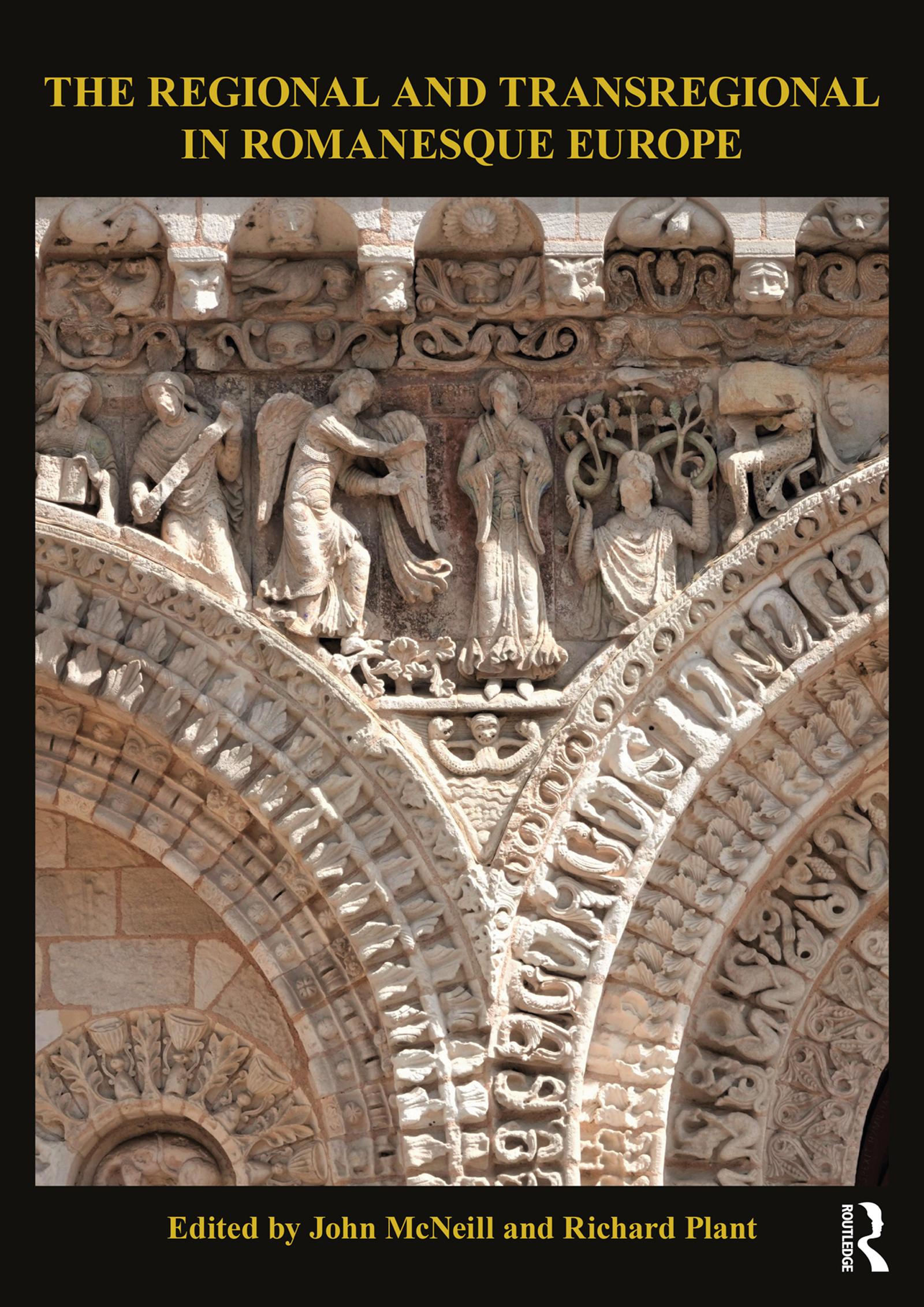
The Regional and Transregional in Romanesque Europe considers the historiography and usefulness of regional categories and in so doing explores the strength, durability, mutability, and geographical scope of regional and transregional phenomena in the Romanesque period.
This book addresses the complex question of the significance of regions in the creation of Romanesque, particularly in relation to transregional and pan-European artistic styles and approaches. The categorization of Romanesque by region was a cornerstone of 19th- and 20th-century scholarship, albeit one vulnerable to the application of anachronistic concepts of regional identity. Individual chapters explore the generation and reception of forms, the conditions that give rise to the development of transregional styles and the agencies that cut across territorial boundaries. There are studies of regional styles in Aquitaine, Castile, Sicily, Hungary, and Scandinavia; workshops in Worms and the Welsh Marches; the transregional nature of liturgical furnishings; the cultural geography of the new monastic orders; metalworking in Hildesheim and the valley of the Meuse; and the links which connect Piemonte with Conques.
The Regional and Transregional in Romanesque Europe offers a new vision of regions in the creation of Romanesque relevant to archaeologists, art historians, and historians alike.
Płać wygodnie kartą, Klarną, Apple Pay lub Google Pay. Nie jesteś zadowolony? Zawsze masz 14-dniową gwarancję zwrotu pieniędzy. Więcej przeczytasz w naszych warunkach. Masz pytania? Napisz do nas na hello@memmo.org.
Memmo ułatwia naukę – gdziekolwiek jesteś na świecie. U nas znajdziesz podręczniki i sprytne narzędzia do nauki w jednym miejscu: streszczenia, quizy, podcasty i fiszki. A do tego Ted, Twój kumpel do nauki, który odpowie na wszystko, co Cię nurtuje. Ponad 50 000 studentów już tu się uczy – stworzone, byś uczył się szybciej i mniej stresował.